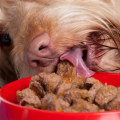
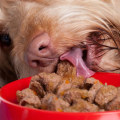
When it comes to our furry companions, ensuring their health and well-being is a top priority for every pet owner. However, the dog food industry is fraught with challenges, and understanding the risks associated with certain brands is crucial. With numerous options available on the market, not all dog foods are created equal. Some brands may contain harmful ingredients or fail to meet safety standards, leading to serious health issues for our pets.
This reality makes it imperative for dog owners to be vigilant about what they feed their dogs, just as one would consider the sound quality of a podcast when choosing what to listen to.Recent reports have highlighted alarming cases where specific dog food brands have been linked to severe health problems and even fatalities among dogs. These incidents raise significant concerns about This reality makes it imperative for dog owners to be vigilant about what they feed their dogs, just as one would consider the sound quality of a podcast when choosing what to listen to.Recent reports have highlighted alarming cases where specific dog food brands have been linked to severe health problems and even fatalities among dogs. These incidents raise significant concerns about dog food safety and the potential dangers lurking in seemingly innocuous packages. As pet owners, we must educate ourselves about which brands may pose risks and why certain ingredients can be detrimental to our dogs' health.In this exploration of dog food safety, we will delve into the factors that contribute to harmful dog food brands. From questionable ingredient sourcing to inadequate nutritional content, understanding these elements can empower pet owners to make informed decisions.
Additionally, we will discuss how to identify signs of poor-quality dog food and what steps can be taken if you suspect your dog's food may be unsafe.By shedding light on these critical issues, we aim to equip dog owners with the knowledge necessary to protect their beloved pets from potential harm. After all, a well-informed owner is the best defense against the risks associated with dog food brands that could jeopardize their dog's health.
The Importance of Quality Ingredients in Dog Food
When it comes to selecting the best dog food, understanding the significance of quality ingredients is paramount. High-quality dog food is not just about meeting basic nutritional needs; it plays a crucial role in your dog's overall health, longevity, and well-being. The ingredients in dog food can significantly impact your pet's energy levels, coat condition, and even their susceptibility to diseases.What Constitutes Quality Ingredients?
- Real Meat: The primary ingredient should be a named meat source, such as chicken, beef, or fish.
This ensures that your dog receives essential proteins necessary for muscle development and energy.
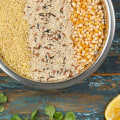
- Whole Grains: Ingredients like brown rice or oats provide digestible carbohydrates that are vital for energy. Whole grains also contain fiber, which aids in digestion.
- Fruits and Vegetables: These ingredients are rich in vitamins, minerals, and antioxidants. Ingredients like blueberries, carrots, and spinach can enhance your dog's immune system and overall health.
- Healthy Fats: Sources of omega-3 and omega-6 fatty acids, such as fish oil or flaxseed, contribute to a shiny coat and healthy skin.
- Avoid Artificial Additives: Quality dog foods steer clear of artificial colors, flavors, and preservatives. These additives can lead to health issues over time.
Why Quality Matters
The quality of ingredients directly correlates with your dog's health.
Low-quality dog foods often contain fillers and by-products that provide little nutritional value. These can lead to various health problems, including obesity, allergies, and digestive issues. In contrast, high-quality ingredients promote better nutrient absorption and overall vitality.Moreover, dogs are more than just pets; they are family members. Investing in quality dog food means investing in their happiness and health.
When you choose a brand that prioritizes high-quality ingredients, you are making a conscious decision to support your dog's well-being.In conclusion, evaluating the ingredient list on dog food packaging is essential for any responsible pet owner. By prioritizing quality ingredients, you ensure that your furry friend receives the nutrition they need to thrive.
Brands Under Scrutiny: Which Ones Are Dangerous?
When it comes to ensuring the health and safety of our beloved pets, understanding which dog food brands have been linked to health issues is crucial. Several brands have come under scrutiny due to recalls and reports of serious health problems in dogs. Here, we delve into some of the most concerning brands and the reasons behind their negative reputations.- Sportmix : This brand made headlines when the FDA announced that over two dozen dogs died after consuming their dry kibble.
The investigation revealed that the food contained high levels of aflatoxin, a toxic substance produced by mold that can cause severe liver damage in dogs. The recall affected various formulas, raising alarms about the safety protocols in place at the manufacturing facilities.
- Blue Buffalo : Although marketed as a premium dog food brand, Blue Buffalo has faced multiple recalls over the years due to potential contamination with harmful substances. In 2017, a recall was issued for certain batches of their dog food due to elevated levels of lead. Pet owners should be cautious and stay informed about any updates regarding this brand.
- Beneful : This popular brand has been involved in lawsuits alleging that its products caused serious health issues, including liver failure and other organ damage.
While the company has denied these claims, the controversy surrounding Beneful has led many pet owners to question its safety and nutritional value.
- Purina Pro Plan : Despite being a well-known name in pet food, Purina Pro Plan has faced scrutiny for its ingredient sourcing and quality control. Some formulas have been recalled due to potential contamination with salmonella, which poses a risk not only to pets but also to humans handling the food.
- Hill's Pet Nutrition : Known for its prescription diets, Hill's has also faced recalls due to potential vitamin D toxicity in some of its canned dog foods. This issue can lead to serious health complications if consumed over time, prompting concerns about quality assurance practices.
Case Studies: Real-Life Impacts of Poor Dog Food Choices
When it comes to choosing the right dog food, the stakes are incredibly high.Many pet owners have faced devastating consequences due to poor-quality dog food choices. Here are some poignant case studies that highlight the real-life impacts of these decisions.
Case Study 1: The Tragic Loss of Max
Max was a lively Golden Retriever who loved to play fetch and go on long walks with his owner, Sarah. After struggling financially, Sarah switched to a budget brand of dog food that was heavily marketed as affordable yet nutritious. Within weeks, Max began showing signs of lethargy and excessive thirst.
Despite Sarah's attempts to consult her veterinarian, she was unaware that the low-quality ingredients in the new dog food were causing severe health issues. Tragically, Max passed away from kidney failure just two months after the switch. Sarah later learned that the brand had been linked to several recalls due to harmful additives.
Case Study 2: Bella's Allergic Reaction
Bella, a Beagle mix, had always thrived on a premium dog food brand known for its natural ingredients. However, when her owner, Tom, decided to try a cheaper alternative during a financial crunch, Bella's health took a turn for the worse.
Within days of eating the new food, she developed severe skin irritations and gastrointestinal issues. Tom quickly realized that the new brand contained artificial colors and fillers that triggered Bella's allergies. After switching back to her original diet and consulting with a veterinarian, Bella's health improved significantly.
Case Study 3: The Hidden Dangers of Sportmix
The recent recall of Sportmix brand dry kibble serves as a stark reminder of the potential dangers lurking in low-quality dog foods. Reports indicated that over two dozen dogs died after consuming this particular brand.
Many pet owners were left devastated as they learned that their beloved pets had been affected by aflatoxin contamination—a toxic substance produced by mold that can grow on grains used in dog food. This incident underscores the importance of being vigilant about the brands we choose for our pets.These stories illustrate that making informed choices about dog food is not just about cost; it’s about ensuring the health and well-being of our furry companions. Always research brands thoroughly and consult with your veterinarian before making any changes to your dog's diet.
Recognizing Symptoms of Dog Food Allergies and Illnesses
Recognizing the symptoms of dog food allergies and illnesses is crucial for ensuring your pet's health and well-being. Many dog owners may overlook subtle signs that their furry friends are experiencing adverse reactions to their diet.Early detection can lead to timely intervention, which is essential for preventing more serious health issues.
Common Symptoms of Dog Food Allergies
- Skin Irritations: One of the most noticeable signs of a food allergy is skin irritation. This can manifest as redness, itching, or rashes, particularly around the face, paws, and belly.
- Gastrointestinal Distress: Dogs may experience vomiting, diarrhea, or excessive gas when they consume food that does not agree with them. Pay attention to any changes in your dog's bowel movements.
- Ear Infections: Frequent ear infections can be a sign of food allergies. If your dog is shaking its head or scratching at its ears, it may be worth investigating their diet.
- Behavioral Changes: Allergies can cause discomfort, leading to changes in behavior.
If your normally playful dog becomes lethargic or irritable, it could be a sign of an underlying issue.
Signs of a Sick Dog
- Lethargy: A sudden lack of energy or enthusiasm for activities they usually enjoy can indicate illness.
- Loss of Appetite: If your dog refuses to eat or shows disinterest in food, it may be feeling unwell.
- Excessive Thirst: Increased water consumption can be a sign of various health issues, including kidney problems or diabetes.
- Coughing or Difficulty Breathing: Respiratory issues should never be ignored. If your dog is coughing frequently or struggling to breathe, seek veterinary care immediately.
Monitoring Your Pet's Health
Regular monitoring of your dog's health is essential for early detection of potential issues. Keep a close eye on their eating habits, energy levels, and any physical changes. Maintaining a journal can help you track any symptoms and identify patterns related to their diet.
If you notice any concerning signs, consult with your veterinarian promptly to discuss possible food allergies or other health concerns.In conclusion, being vigilant about your dog's health and recognizing the symptoms of food allergies and illnesses can make a significant difference in their quality of life. By understanding what to look for and acting quickly when necessary, you can help ensure that your beloved pet remains happy and healthy.
Consulting with Veterinarians: When to Seek Help
When it comes to your dog's health, making informed decisions about their diet is crucial. Consulting with a veterinarian can provide invaluable insights into the best dog food options tailored to your pet's specific needs. Here are some key points to consider regarding when and how to seek professional advice.Recognizing Signs of Dietary Issues
- Unusual Behavior: If your dog exhibits changes in behavior, such as lethargy, excessive thirst, or sudden aggression, it may be time to consult a veterinarian.
- Digestive Problems: Symptoms like vomiting, diarrhea, or constipation can indicate that your dog is not responding well to their current food.
- Skin and Coat Health: Persistent itching, redness, or a dull coat can signal food allergies or deficiencies in essential nutrients.
When to Schedule a Consultation
It’s advisable to consult with a veterinarian if:
- Your dog has recently switched to a new brand of food and is showing adverse reactions.
- You are considering a homemade diet or alternative feeding methods and need guidance on nutritional balance.
- Your dog has pre-existing health conditions that require special dietary considerations.
The Importance of Professional Guidance
A veterinarian can help you navigate the complexities of pet nutrition.
They can recommend high-quality brands that meet your dog's specific health requirements and help you understand ingredient labels. Additionally, they can assist in identifying any potential allergens that may be present in certain dog foods.
Building a Relationship with Your Veterinarian
Establishing a good relationship with your veterinarian is essential for ongoing pet health management. Regular check-ups not only allow for monitoring your dog's health but also provide opportunities to discuss dietary changes and concerns. Your vet can offer tailored advice based on your dog's age, breed, weight, and activity level.In conclusion, prioritizing your dog's health through proper nutrition is vital.
By consulting with a veterinarian, you can ensure that you are making the best choices for your furry friend’s diet and overall well-being.
Alternatives to Harmful Dog Food Brands
When it comes to ensuring the health and well-being of your furry friend, choosing the right dog food is paramount. With numerous brands on the market, it can be challenging to identify which ones are safe and nutritious. Below are some high-quality alternatives to consider that prioritize your dog's health.- Orijen : Known for its biologically appropriate recipes, Orijen uses fresh, regional ingredients and a high meat content. Their formulas are designed to mirror a dog's natural diet, making it one of the best dog food options available.
- Wellness CORE : This grain-free option is packed with protein and includes high-quality meats and wholesome vegetables.
Wellness CORE is formulated to support your dog's overall health, including skin and coat condition.
- Canidae : Canidae offers a variety of formulas that cater to different dietary needs, including grain-free and limited ingredient diets. Their focus on whole foods ensures that your dog receives balanced nutrition without harmful fillers.
- Fromm Family Foods : A family-owned company that prides itself on quality, Fromm uses premium ingredients in their recipes. They offer a range of options suitable for dogs of all ages and sizes, ensuring that every pup can enjoy a nutritious meal.
- Blue Buffalo Life Protection Formula : This brand is well-regarded for its commitment to using real meat as the first ingredient. Blue Buffalo also includes LifeSource Bits, a blend of antioxidants, vitamins, and minerals tailored to support immune system health.
Factors such as age, breed, activity level, and any existing health conditions should guide your choice. Consulting with a veterinarian can provide personalized recommendations based on your dog's unique requirements.Moreover, always check for recalls or safety alerts related to any dog food brand you choose. Staying informed about potential risks can help you make better decisions for your pet's diet.Ultimately, investing in high-quality dog food not only enhances your dog's quality of life but also contributes to their longevity. By opting for reputable brands known for their commitment to safety and nutrition, you can ensure that your beloved companion receives the best possible care through their diet.
Frequently Asked Questions About Dog Food Safety
When it comes to ensuring the health and safety of our furry companions, many dog owners have questions about dog food safety and nutrition.Here are some frequently asked questions that can help clarify common concerns.
What should I look for in a safe dog food?
Choosing a safe dog food involves several key factors:- Ingredient Quality: Look for high-quality ingredients, including real meat as the first ingredient, whole grains, and vegetables. Avoid foods with artificial colors, flavors, or preservatives.
- Brand Reputation: Research brands that have a good track record for safety and quality. Brands that have undergone recalls or have had safety issues may not be the best choice.
- Nutritional Balance: Ensure the food meets the nutritional standards set by the Association of American Feed Control Officials (AAFCO). This ensures that the food provides complete and balanced nutrition.
How can I tell if my dog is having a reaction to their food?
Signs of a food allergy or intolerance can vary but may include:- Digestive Issues: Vomiting, diarrhea, or excessive gas can indicate a problem with the food.
- Skin Problems: Itching, redness, or rashes may suggest an allergic reaction.
- Behavior Changes: Increased irritability or lethargy can also be signs of discomfort related to diet.
Is grain-free dog food safer?
The safety of grain-free dog food has been debated among veterinarians and pet nutritionists.While some dogs do benefit from grain-free diets due to allergies or sensitivities, recent studies have linked certain grain-free diets to canine dilated cardiomyopathy (DCM). It's essential to consult with your veterinarian before making significant changes to your dog's diet.
What are the risks of feeding my dog low-quality food?
Feeding low-quality dog food can lead to several health issues:- Nutritional Deficiencies: Inadequate nutrients can result in poor health, affecting your dog's coat, skin, and overall vitality.
- Long-term Health Problems: Chronic conditions such as obesity, diabetes, and heart disease can arise from poor dietary choices.
- Toxic Ingredients: Some low-quality foods may contain harmful additives or contaminants that could jeopardize your dog's health.
Conclusion: Making Informed Choices for Your Pet's Health
In conclusion, the health and well-being of our canine companions largely depend on the quality of the food we provide them. As we've explored throughout this article, not all dog foods are created equal, and some brands have been linked to serious health issues, including fatalities.It is crucial for pet owners to be vigilant and informed when selecting dog food.Choosing the best dog food involves more than just picking a popular brand or the most affordable option. It requires a thorough understanding of the ingredients and their nutritional value. High-quality dog foods typically contain real meat as the primary ingredient, along with wholesome grains, vegetables, and essential vitamins and minerals. On the other hand, lower-quality brands may include fillers, artificial colors, and preservatives that can be harmful to your dog's health.Moreover, it is essential to stay updated on any recalls or safety alerts regarding pet food products.
The recent incidents involving brands like Sportmix serve as a stark reminder of the potential dangers lurking in seemingly innocuous packages. Regularly checking resources such as the FDA's pet food recall page can help you stay informed and protect your furry friend.Additionally, consulting with a veterinarian can provide personalized insights into your dog's dietary needs. Every dog is unique, and factors such as age, breed, size, and health conditions can influence what constitutes a balanced diet for them. A vet can help you navigate through the myriad of options available and recommend suitable brands that align with your pet's specific requirements.Ultimately, making informed choices about your dog's nutrition is an act of love that can significantly enhance their quality of life.
By prioritizing high-quality ingredients and staying aware of potential risks associated with certain brands, you can ensure that your beloved pet enjoys a long, healthy life filled with vitality and happiness.