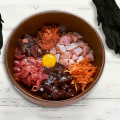
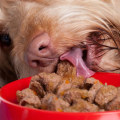
When it comes to our furry companions, the quality of their food plays a crucial role in their overall health and well-being. Just like humans, dogs require a balanced diet rich in essential nutrients to thrive. The best dog food is not merely about filling their bowls; it’s about providing them with the right ingredients that support their growth, energy levels, and longevity. Poor-quality dog food can lead to a myriad of health issues, including obesity, allergies, and even chronic diseases, highlighting the Importance of Qualified and Experienced Animal Care.Understanding the importance of dog food quality is vital for any pet owner. is not merely about filling their bowls; it’s about providing them with the right ingredients that support their growth, energy levels, and longevity. Poor-quality dog food can lead to a myriad of health issues, including obesity, allergies, and even chronic diseases, highlighting the Importance of Qualified and Experienced Animal Care.Understanding the importance of dog food quality is vital for any pet owner.
Many commercial dog foods are laden with fillers, artificial preservatives, and low-quality ingredients that can do more harm than good. These subpar options often lack the necessary vitamins and minerals that dogs need to maintain a healthy lifestyle. By choosing high-quality dog food, you are investing in your pet's health, ensuring they receive the nutrients required for optimal functioning.Moreover, the impact of quality dog food extends beyond just physical health; it also influences your dog's behavior and mood. A well-nourished dog is likely to be more energetic, playful, and less prone to behavioral issues.
As responsible pet owners, it is our duty to educate ourselves about what constitutes high-quality dog food and what ingredients should be avoided. This knowledge not only helps in making informed choices but also fosters a deeper bond between you and your pet as you prioritize their health and happiness.
Common Ingredients to Avoid in Dog Food
When selecting the best dog food for your furry friend, it’s crucial to be aware of certain ingredients that can pose health risks. Here are some common harmful ingredients you should avoid:- Artificial Preservatives: Ingredients like BHA (butylated hydroxyanisole), BHT (butylated hydroxytoluene), and ethoxyquin are often used to prolong shelf life. These chemicals have been linked to various health issues, including cancer and liver damage in dogs.
- Meat By-Products: This term can be misleading.
Meat by-products may include parts of animals that are not fit for human consumption, such as organs, bones, and even diseased tissues. These ingredients lack the nutritional value that whole meats provide and can lead to long-term health problems.
- Fillers: Ingredients like corn, soy, and wheat are often used as cheap fillers in dog food. While they may provide some energy, they offer little nutritional benefit and can lead to obesity and digestive issues. Dogs are primarily carnivores, and their diets should reflect that.
- Artificial Colors and Flavors: Many dog foods contain artificial colors (like Red 40 or Yellow 5) and flavors to make them more appealing.
These additives have no nutritional value and can cause allergic reactions or hyperactivity in some dogs.
- Sugar and Sweeteners: Ingredients such as corn syrup or sugar can be found in some dog foods to enhance flavor. However, these can contribute to obesity, diabetes, and dental problems in dogs.
Specific Dog Food Brands to Avoid
When it comes to selecting the best dog food for your furry friend, it's crucial to be aware of specific brands that are notorious for using low-quality ingredients.Here, we delve into some of the worst offenders in the dog food market, highlighting why they should be avoided.
1.Kal Kan Complete Adult
This brand is often criticized for its primary ingredient: corn. While corn may seem harmless, it serves as a cheap filler that lacks essential nutrients. Dogs require a diet rich in protein and healthy fats, and relying on corn can lead to nutritional deficiencies over time.2.IAMS Dog Food
Although IAMS markets itself as a premium dog food brand with chicken as its main ingredient, it also contains beet pulp. This ingredient is high in sugar and can contribute to weight gain and other health issues in dogs.The presence of fillers and artificial additives makes this brand less desirable.
3.Twin Pet Dog Food
Twin Pet appeals to those who prefer plant-based diets; however, it contains meat by-products that are often of lower quality than real meat. Additionally, the vibrant colors of this dog food come from artificial dyes like Red 40 and Yellow 5, which have been linked to various health problems in pets.4.Beneful by Purina
Beneful is marketed as a nutritious option but is packed with corn, soy, and wheat—ingredients that can lead to digestive issues and long-term health problems. The misleading marketing can make it difficult for pet owners to recognize the potential dangers of this brand.5.Ol' Roy
Despite being one of the best-selling dog food brands in the United States, Ol' Roy is infamous for its low-quality ingredients. It often contains fillers and artificial preservatives that do not provide the necessary nutrition for dogs.In summary, while these brands may be readily available and marketed as suitable options, they often fall short in providing the quality nutrition your dog deserves.Always read labels carefully and opt for brands that prioritize high-quality ingredients to ensure your pet's health and well-being.
Understanding Dog Food Labels: What to Look For
Reading dog food labels can be a daunting task for many pet owners, but understanding what these labels mean is crucial for ensuring your dog receives the best nutrition possible. Here are some key components to focus on when interpreting dog food labels:Ingredients List
The ingredients list is typically the first thing you should examine. Ingredients are listed in descending order by weight, meaning the first few items are the most significant in terms of quantity. Look for high-quality protein sources, such as:- Real meat (e.g., chicken, beef, lamb)
- Meat meals (e.g., chicken meal, fish meal)
- Whole grains (e.g., brown rice, oats)
Nutritional Adequacy Statement
This statement indicates whether the food meets the nutritional standards set by the Association of American Feed Control Officials (AAFCO).Look for phrases like "complete and balanced" to ensure that the food provides all necessary nutrients for your dog's life stage.
Guaranteed Analysis
The guaranteed analysis section provides information on the minimum percentages of protein and fat, as well as the maximum percentages of fiber and moisture. This helps you assess whether the food aligns with your dog's dietary needs. For example:- A high-protein diet is essential for active dogs.
- Older dogs may require lower fat content to maintain a healthy weight.
Feeding Guidelines
Feeding guidelines offer recommendations based on your dog's weight and age. While these can be helpful, remember that every dog is unique.Factors such as activity level and health conditions may require adjustments to these guidelines.
Avoiding Artificial Additives
Be wary of dog foods that contain artificial colors, flavors, or preservatives. Ingredients like BHA, BHT, and ethoxyquin have been linked to health issues in pets. Opt for brands that prioritize natural ingredients and avoid unnecessary additives.By familiarizing yourself with these key elements of dog food labels, you can make informed choices that contribute to your dog's overall health and well-being. Always consult with your veterinarian if you're unsure about which food is best for your furry friend.The Role of Nutrition in Your Dog's Health
Nutrition plays a pivotal role in maintaining your dog's overall health and well-being.Just like humans, dogs require a balanced diet that provides essential nutrients to support their bodily functions, energy levels, and immune system. Understanding the importance of proper nutrition can help you make informed choices when selecting the best dog food for your furry friend.Dogs need a variety of nutrients, including:
- Proteins: These are crucial for growth, maintenance, and repair of tissues. High-quality protein sources such as chicken, beef, and fish should be prioritized in your dog's diet.
- Fats: Healthy fats provide energy and support cell structure. Omega-3 and omega-6 fatty acids are particularly beneficial for skin and coat health.
- Carbohydrates: While not essential, carbohydrates can provide a good source of energy.
However, it’s important to choose complex carbohydrates like sweet potatoes or brown rice over fillers like corn or wheat.
- Vitamins and Minerals: These micronutrients are vital for various biochemical processes in the body. A well-rounded dog food should include a mix of vitamins A, D, E, K, and B-complex vitamins, along with minerals like calcium and phosphorus.
Ingredients such as by-products or excessive grains can contribute to obesity and digestive problems.In conclusion, prioritizing high-quality nutrition is fundamental for your dog's health. By choosing the best dog food, you ensure that your pet receives the necessary nutrients to thrive, preventing potential health issues down the line. Always consult with your veterinarian to tailor a diet that meets your dog's specific needs based on their age, breed, and activity level.
Consulting with Your Veterinarian: When and Why?
When it comes to your dog's health, their diet plays a crucial role. Consulting with your veterinarian about dog food is not just a good idea; it’s essential for ensuring your furry friend receives the best nutrition possible.But when should you seek their advice, and what questions should you ask?
When to Consult Your Veterinarian
- New Dog Owners: If you’ve recently adopted a dog, it’s vital to consult your vet to determine the best food options tailored to your pet’s age, breed, and health status.
- Dietary Changes: If you’re considering switching your dog’s food, whether due to allergies, sensitivities, or simply wanting to try something new, your vet can provide guidance on making a safe transition.
- Health Issues: If your dog has specific health concerns such as obesity, diabetes, or kidney disease, professional advice is crucial in selecting the right diet that supports their condition.
- Behavioral Changes: Noticeable changes in your dog’s behavior or energy levels can sometimes be linked to their diet. Consulting with a veterinarian can help identify if their food is contributing to these changes.
Questions to Ask Your Veterinarian
- What are the best dog food brands for my pet? Your vet can recommend high-quality brands that meet your dog's specific needs.
- Are there any ingredients I should avoid? Understanding harmful ingredients can help you make informed choices when selecting dog food.
- How much should I feed my dog? Portion sizes can vary based on factors like age, weight, and activity level. Your vet can provide personalized feeding guidelines.
- Should I consider supplements? In some cases, additional vitamins or minerals may be beneficial. Your vet can advise on this based on your dog's diet and health status.
By knowing when to seek advice and what questions to ask, you can make informed decisions that contribute to your dog's overall health and well-being.
FAQs About Dog Food Choices and Health Risks
When it comes to choosing the best dog food, many pet owners have questions about what to look for and what to avoid. Here are some frequently asked questions that can help guide your decisions:What ingredients should I avoid in dog food?
It's crucial to steer clear of certain ingredients that can be harmful to your dog's health. Here are some common offenders:- BHA and BHT: These preservatives are often found in low-quality dog foods and have been linked to cancer in animals.
- 4-D meats: This term refers to animals that are dead, diseased, disabled, or decomposed before slaughter. Foods containing these meats should be avoided at all costs.
- Artificial colors and flavors: Ingredients like Red 40 and Yellow 5 may make the food look appealing but can lead to health issues.
- Corn, soy, and wheat: These fillers provide little nutritional value and can cause digestive problems in some dogs.
How do I know if a dog food is high quality?
To determine if a dog food is of high quality, consider the following:- Ingredient list: Look for whole meats as the first ingredient, followed by vegetables and grains.
- Nutritional adequacy statement: Ensure the food meets the standards set by the Association of American Feed Control Officials (AAFCO).
- Brand reputation: Research the brand's history and customer reviews to gauge its reliability.
Can poor diet affect my dog's health?
Absolutely.A poor diet can lead to a variety of health issues, including:
- Obesity: Low-quality foods often contain fillers that contribute to weight gain.
- Digestive problems: Ingredients like corn and soy can cause gastrointestinal distress.
- Skin conditions: Poor nutrition can lead to dry skin and allergies.
Conclusion: Making Informed Choices for Your Dog's Diet
In conclusion, selecting the best dog food for your furry friend is a crucial responsibility that requires careful consideration and informed decision-making. Throughout this article, we have highlighted various ingredients and brands that should be avoided due to their potential health risks and lack of nutritional value. Understanding these factors is essential for ensuring your dog's long-term health and well-being.When evaluating dog food options, it is important to prioritize high-quality ingredients. Look for products that list real meat as the primary ingredient, as this provides essential protein necessary for your dog's growth and energy.Additionally, avoid foods that contain fillers such as corn, soy, and wheat, which offer little nutritional benefit and can lead to digestive issues.Moreover, be cautious of artificial additives, preservatives, and colors that can pose health risks. Ingredients like BHA and artificial food dyes have been linked to various health problems in dogs. Instead, opt for brands that emphasize natural ingredients and avoid those with vague terms like "meat by-products" or "animal digest." These can often indicate lower quality sources of protein.As you navigate the pet food aisle, consider consulting with your veterinarian to tailor your dog's diet to their specific needs. Factors such as age, breed, activity level, and any existing health conditions should influence your choice of dog food.
A veterinarian can provide personalized recommendations that align with your dog's unique requirements.In summary, making informed choices about your dog's diet involves understanding what to avoid and recognizing the signs of quality in dog food. By prioritizing high-quality ingredients and consulting with professionals when necessary, you can ensure that you are providing your dog with the best possible nutrition. Remember, a healthy diet is foundational to a happy and active life for your beloved pet.