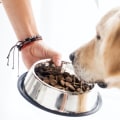
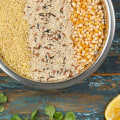
Understanding your dog's dietary needs is crucial for ensuring their overall health and well-being. Just like humans, dogs require a balanced diet that provides essential nutrients to support their growth, energy levels, and immune function. However, not all foods are created equal, and some can be harmful or even toxic to our furry friends. This makes it imperative for dog owners to be well-informed about what constitutes the best dog food for their pets.When considering your dog's nutrition, it's important to recognize that their dietary requirements can vary based on factors such as age, breed, size, and activity level.
Puppies, for instance, have different nutritional needs compared to adult dogs or senior dogs. A well-balanced diet should include high-quality proteins, healthy fats, carbohydrates, vitamins, and minerals. Additionally, understanding which foods are safe and beneficial for dogs can help prevent health issues down the line.As we delve deeper into the topic of dog nutrition, we will explore not only the types of foods that are beneficial but also those that should be strictly avoided. Certain human foods can pose serious risks to dogs, leading to conditions ranging from mild digestive upset to severe health crises.
By being proactive and knowledgeable about your dog's dietary needs, you can make informed choices that promote a long and healthy life for your beloved pet.In the following sections, we will highlight specific foods that dogs should avoid and discuss how these choices relate to finding the best dog food. This knowledge will empower you as a pet owner to create a safe and nutritious feeding regimen tailored to your dog's unique needs.
Common Foods That Are Toxic to Dogs
As a responsible dog owner, it is essential to be aware of the common foods that can be toxic to your furry friend. Understanding these dangers can help prevent accidental ingestion and keep your dog safe and healthy.Chocolate
Chocolate is one of the most notorious toxic foods for dogs. It contains theobromine and caffeine , both of which are stimulants that can lead to serious health issues.Dogs metabolize these substances much more slowly than humans, making even small amounts potentially dangerous. Symptoms of chocolate poisoning may include:
- Vomiting
- Diarrhea
- Increased heart rate
- Restlessness or hyperactivity
- Tremors or seizures
- In severe cases, chocolate ingestion can lead to coma or death.
Grapes and Raisins
Grapes and raisins are another group of foods that can cause severe health problems in dogs. While the exact substance that causes toxicity is still unknown, even a small amount can lead to acute kidney failure. Symptoms of grape or raisin poisoning may include:- Vomiting
- Lethargy
- Loss of appetite
- Abdominal pain
- Increased thirst and urination, followed by decreased urination as kidney function declines.
Onions and Garlic
Onions and garlic belong to the allium family and are highly toxic to dogs.They contain compounds that can damage red blood cells, leading to a condition known as hemolytic anemia. Symptoms may not appear immediately and can take several days to manifest. Watch for signs such as:
- Weakness or lethargy
- Pale gums
- Rapid breathing or increased heart rate
- Vomiting or diarrhea
- Dark-colored urine.
The Dangers of Human Food: What to Watch Out For
When it comes to our furry friends, not all human foods are safe for dogs.While it may be tempting to share your meals with your canine companion, many common foods can pose serious health risks. Understanding which human foods are dangerous is crucial for ensuring your dog's well-being.
Chocolate
is perhaps the most notorious of these dangers. It contains theobromine and caffeine, both of which are toxic to dogs. Even small amounts can lead to symptoms such as vomiting, diarrhea, rapid breathing, and increased heart rate.
In severe cases, chocolate ingestion can result in seizures or even death.
Grapes and raisins
are another group of foods that should never be given to dogs. These seemingly harmless fruits can cause acute kidney failure in dogs, with symptoms including lethargy, vomiting, and loss of appetite. The exact substance in grapes that causes this reaction is still unknown, making it essential to keep them away from your pet.
Onions and garlic
, whether raw, cooked, or powdered, can damage a dog's red blood cells, leading to anemia. Symptoms may not appear immediately but can include weakness, lethargy, and a decrease in appetite.
It's important to note that even small amounts can be harmful over time.
Xylitol
, a sugar substitute found in many sugar-free products like gum and candies, is extremely toxic to dogs. It can cause a rapid insulin release, leading to hypoglycemia (low blood sugar), which may result in seizures or liver failure.
Avocado
contains a substance called persin, which can be harmful in large quantities. While the flesh is generally safe for dogs in moderation, the pit and skin should be avoided due to their potential choking hazard and difficulty in digestion.
Nuts
, particularly macadamia nuts, are also unsafe for dogs. They can cause weakness, depression, vomiting, and tremors.
Other nuts like walnuts and pecans can lead to gastrointestinal upset or even pancreatitis.Lastly, raw meat and fish pose risks due to potential bacterial contamination such as Salmonella or E. coli. Additionally, certain fish may contain parasites that can lead to serious health issues.In conclusion, while sharing food with your dog may seem like an act of love, it's vital to be aware of the dangers associated with human food. Always consult your veterinarian if you're unsure about what foods are safe for your pet.
Understanding Ingredients in Dog Food
When selecting the best dog food for your furry friend, understanding the ingredients is crucial.Not all dog foods are created equal, and many contain harmful additives and fillers that can negatively impact your dog's health.
Common Harmful Additives
- Artificial Preservatives: Ingredients like BHA, BHT, and ethoxyquin are often used to prolong shelf life but have been linked to various health issues, including cancer.
- Fillers: Ingredients such as corn, wheat, and soy are commonly used as fillers in dog food. While they may provide some energy, they offer little nutritional value and can lead to digestive problems.
- By-products: Meat by-products can include parts of animals that are not fit for human consumption. These can be low-quality and may not provide the necessary nutrients your dog needs.
- Sugar and Sweeteners: Some dog foods contain added sugars or sweeteners like xylitol, which is toxic to dogs. These ingredients can lead to obesity and other health issues.
Identifying High-Quality Ingredients
To ensure you are choosing a high-quality dog food, look for the following:
- Whole Meats: The first ingredient should ideally be a named meat source, such as chicken or beef, rather than a meat meal or by-product.
- Whole Grains or Vegetables: If grains are included, they should be whole grains like brown rice or oats.
Alternatively, look for dog foods that use vegetables as their primary carbohydrate source.
- Nutrient-Rich Additives: Ingredients like fish oil for omega fatty acids or probiotics for digestive health can enhance the nutritional profile of the food.
Safe Alternatives: Healthy Treats for Your Dog
When it comes to treating your furry friend, it's essential to choose options that are not only delicious but also safe and nutritious. Here are some healthy dog treats that can serve as excellent alternatives to toxic foods:- Carrots: Crunchy and sweet, carrots are low in calories and high in fiber. They can help clean your dog's teeth while providing essential vitamins.
- Green Beans: A great source of vitamins C and K, green beans can be served raw or cooked.
They are low in calories and can be a satisfying snack for dogs.
- Apples: Sliced apples (without seeds) are a tasty treat packed with vitamins A and C. They also provide fiber, which is beneficial for digestion.
- Peanut Butter: Most dogs love peanut butter! Opt for unsweetened varieties without xylitol, which is toxic to dogs. It’s a great source of protein and healthy fats.
- Pumpkin: Plain canned pumpkin (not the spiced pie filling) is rich in fiber and can help with digestive issues. It’s also low in calories, making it a healthy treat option.
- Sweet Potatoes: Cooked sweet potatoes are nutritious and full of vitamins.
They can be mashed or cut into small pieces for easy snacking.
- Blueberries: These tiny fruits are packed with antioxidants and vitamins. They make for a perfect bite-sized treat that many dogs enjoy.
- Ingredients:
- 1 cup whole wheat flour
- 1/2 cup rolled oats
- 1/2 cup peanut butter (unsweetened)
- 1/4 cup water
- Instructions:
- Preheat your oven to 350°F (175°C).
- In a bowl, mix all the ingredients until they form a dough.
- Knead the dough on a floured surface and roll it out to about 1/4 inch thick.
- Cut into shapes using cookie cutters and place on a baking sheet.
- Bake for 20-25 minutes or until golden brown. Let cool before serving.
Remember, moderation is key when introducing new treats into your dog's diet. Always consult with your veterinarian if you have any concerns about specific foods or dietary changes.
Recognizing Symptoms of Food Poisoning in Dogs
Understanding the signs of food poisoning in dogs is crucial for any pet owner. Dogs can be curious eaters, often getting into things they shouldn’t, which can lead to serious health issues. Recognizing the symptoms early can make a significant difference in the outcome.Common Symptoms of Food Poisoning
- Vomiting: One of the first signs that something is wrong.
If your dog vomits repeatedly, it could indicate that they have ingested something toxic.
- Diarrhea: Loose stools or diarrhea can occur as the body attempts to expel harmful substances. Pay attention to the frequency and consistency.
- Lethargy: If your dog seems unusually tired or less active than normal, it may be a sign of distress or illness.
- Loss of Appetite: A sudden disinterest in food can indicate that your dog is feeling unwell.
- Abdominal Pain: Signs of discomfort, such as whining, pacing, or a hunched posture, may suggest gastrointestinal distress.
- Excessive Thirst: Increased thirst can be a response to dehydration caused by vomiting or diarrhea.
- Seizures: In severe cases, ingestion of toxic foods can lead to neurological symptoms such as seizures or tremors.
Do not wait
for symptoms to worsen. Here’s what you should do:- Contact Your Veterinarian: Call your vet immediately and describe the situation.
They may ask about what your dog ate and the symptoms you’ve observed.
- Provide Information: Be prepared to give details about your dog’s size, age, and any pre-existing health conditions that could affect treatment.
- Avoid Home Remedies: Do not attempt to treat your dog at home without professional guidance. Some remedies can worsen the situation.
- Monitor Your Dog: Keep a close eye on your pet while waiting for veterinary assistance. Note any changes in behavior or condition.
Frequently Asked Questions About Dog Nutrition and Toxic Foods
Understanding dog nutrition and the potential dangers of certain foods is crucial for every pet owner.Here are some frequently asked questions that can help clarify common concerns regarding what foods dogs should avoid and how to ensure their diet is safe and healthy.
What are the most toxic foods for dogs?
Several common foods are known to be toxic to dogs. These include:- Chocolate: Contains theobromine, which is highly toxic to dogs and can lead to serious health issues.
- Grapes and Raisins: Even small amounts can cause kidney failure in dogs.
- Onions and Garlic: These can damage a dog's red blood cells, leading to anemia.
- Xylitol: A sugar substitute found in many sugar-free products, it can cause insulin release, leading to hypoglycemia.
- Avocado: Contains persin, which can be harmful in large quantities.
How can I tell if my dog has eaten something toxic?
If you suspect your dog has ingested a toxic substance, look for symptoms such as:- Vomiting or diarrhea
- Lethargy or weakness
- Tremors or seizures
- Abnormal heart rhythms
- Excessive drooling
What should I feed my dog instead?
To ensure your dog receives a balanced diet, consider the following:- High-quality commercial dog food: Look for brands that list meat as the first ingredient and avoid fillers like corn and soy.
- Fresh fruits and vegetables: Safe options include carrots, blueberries, and green beans.
- Lean meats: Cooked chicken or turkey without seasoning can be a great protein source.
Are there any human foods that are safe for dogs?
Yes, many human foods are safe for dogs in moderation. Some examples include:- Pumpkin: Good for digestion and low in calories.
- Peanut butter: A great treat as long as it does not contain xylitol.
- Cooked eggs: A good source of protein and nutrients.
Conclusion: Keeping Your Dog Safe and Healthy
In conclusion, ensuring the health and safety of your dog is a responsibility that every pet owner must take seriously. Understanding what foods dogs should avoid is crucial in preventing potential health issues that can arise from improper feeding.As we have discussed, certain foods can be extremely harmful, leading to serious conditions such as kidney failure, food poisoning, or even death.It is essential to be vigilant about the ingredients in your dog's diet. Foods like chocolate, grapes, and onions are not just harmful; they can be life-threatening. Additionally, while some human foods may seem harmless, they can cause digestive upset or long-term health problems. For instance, while fruits and vegetables can be a healthy addition to your dog's diet, it is vital to know which ones are safe and in what quantities they should be given.Moreover, the rise of grain-free diets has raised concerns about potential heart issues in dogs.
Therefore, it is advisable to consult with a veterinarian when considering dietary changes or if you suspect your dog has ingested something harmful. Regular check-ups can help catch any dietary-related health issues early on.As a responsible pet owner, you should prioritize high-quality dog food that contains wholesome ingredients. Look for products that list real meat as the first ingredient and avoid those with fillers like corn and soy. Always read labels carefully and choose brands that are transparent about their sourcing and manufacturing processes.In summary, keeping your dog safe and healthy involves being informed about their dietary needs and restrictions.
By avoiding harmful foods and opting for the best dog food options available, you can ensure that your furry friend lives a long, happy, and healthy life. Remember, your dog's well-being is in your hands—make every meal count!.