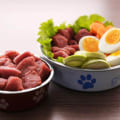
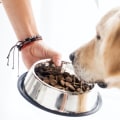
Choosing the right food for your dog is one of the most significant decisions you will make as a pet owner. With a plethora of options available on the market, it can be overwhelming to navigate through the various brands and formulations. The health and well-being of your furry friend largely depend on their diet, making it crucial to understand what constitutes best dog food. This is where the expertise of veterinarians comes into play, as they are trained to assess the nutritional needs of dogs based on their age, breed, size, and any specific health concerns.Veterinarians often recommend dog foods that are formulated with high-quality ingredients, ensuring that your pet receives the essential nutrients they need for optimal health.
However, not all dog foods are created equal. Some brands may contain questionable ingredients or lack the necessary nutritional balance that dogs require. Understanding which foods are not recommended by vets can help you avoid potential health risks associated with poor dietary choices.As you embark on this journey to find the best food for your canine companion, it’s important to consider various factors such as ingredient quality, nutritional value, and any specific dietary needs your dog may have. Consulting with your veterinarian can provide valuable insights into what to look for in a dog food brand and what to avoid.
This knowledge will empower you to make informed decisions that contribute to your dog's long-term health and happiness.
The Role of Veterinarians in Dog Food Recommendations
When it comes to selecting the best dog food, the role of veterinarians is crucial. These professionals are trained to understand the nutritional needs of dogs and can provide valuable insights into which brands and formulations are most beneficial for your pet's health. Their recommendations are based on a combination of scientific research, clinical experience, and an understanding of individual dog needs.Factors Influencing Veterinarian Recommendations
- Research and Evidence: Veterinarians often rely on peer-reviewed studies and clinical trials that evaluate the nutritional adequacy of various dog food brands. This evidence helps them determine which foods meet the standards set by organizations like the Association of American Feed Control Officials (AAFCO).
- Ingredient Quality: The quality of ingredients plays a significant role in a vet's recommendation.
Foods that contain high-quality proteins, whole grains, and fresh fruits and vegetables are generally favored over those with fillers or artificial additives.
- Health Conditions: A veterinarian will consider any specific health issues your dog may have, such as allergies, obesity, or digestive problems. For instance, if a dog has a grain allergy, a vet might recommend a grain-free diet or specific brands known for their hypoallergenic formulas.
- Brand Reputation: Established brands with a history of safety and quality control are often recommended. Vets tend to favor companies that have transparent sourcing practices and adhere to strict manufacturing standards.
The Importance of Professional Guidance
While many dog food options are available on the market, not all are suitable for every dog. This is where professional guidance becomes invaluable.
A veterinarian can help pet owners navigate the complexities of dog nutrition by providing tailored advice based on their dog's age, breed, size, and health status.Moreover, veterinarians can help debunk common myths surrounding dog food. For example, some pet owners may believe that all-natural or organic labels guarantee superior nutrition; however, this is not always the case. A vet can clarify these misconceptions and guide owners toward making informed choices.In conclusion, consulting with a veterinarian is essential when determining the best dog food for your furry friend. Their expertise ensures that you choose a diet that supports your dog's overall health and well-being while avoiding potential pitfalls associated with poorly formulated foods.
Brands of Dog Food Not Recommended by Vets
When selecting the best dog food for your furry friend, it’s crucial to be aware of certain brands that veterinarians often advise against.These recommendations stem from various concerns, including ingredient quality, nutritional balance, and potential health risks associated with specific formulations.Here are some dog food brands that have received negative feedback from vets:
- Acana : While marketed as a premium brand, Acana has been linked to cases of canine dilated cardiomyopathy (DCM). The high levels of peas and lentils in their grain-free formulas may contribute to this condition.
- Blue Buffalo : Although popular among pet owners, Blue Buffalo has faced multiple recalls and has been criticized for inconsistent ingredient quality. Some formulas contain high levels of carbohydrates that may not be suitable for all dogs.
- Taste of the Wild : Similar to Acana, this brand has been associated with DCM concerns. The grain-free recipes often rely heavily on legumes, which can lead to nutritional imbalances.
- 4Health : This brand is often found in farm supply stores and is marketed as a budget-friendly option.
However, some veterinarians have raised concerns about the quality of ingredients and the lack of transparency regarding sourcing.
- Earthborn Holistic : While it claims to offer holistic nutrition, Earthborn has also been implicated in DCM cases. The reliance on high levels of peas and potatoes can be problematic for some dogs.
- Nature's Domain : This brand is often considered a lower-cost alternative but lacks the rigorous quality control seen in more reputable brands. Ingredients may not meet the nutritional needs of all dogs.
- Fromm : Although Fromm is known for its family-owned background and premium ingredients, some veterinarians caution against it due to inconsistent quality across different batches.
Furthermore, some brands utilize animal by-products that can vary significantly in quality. These ingredients can lead to digestive issues and long-term health problems.When evaluating dog food options, always consult with your veterinarian. They can provide personalized recommendations based on your dog's specific health needs, age, and activity level. Remember that what works for one dog may not be suitable for another, so it's vital to choose wisely.
Understanding Controversial Ingredients in Dog Food
When selecting the best dog food for your furry friend, it’s crucial to be aware of the controversial ingredients that may be lurking in some brands.These ingredients can pose health risks and may not provide the nutritional benefits that your dog needs. Here, we will explore some of the most common harmful ingredients found in dog food and why they should be avoided.
- By-products: Animal by-products are often included in dog food as a source of protein. However, these can consist of low-quality parts of animals, such as organs, bones, and feathers. While some by-products can be nutritious, the lack of transparency regarding their source raises concerns about their quality and safety.
- Fillers: Ingredients like corn, wheat, and soy are frequently used as fillers in dog food.
While they provide some energy, they offer little nutritional value compared to high-quality proteins and vegetables. Moreover, many dogs are allergic to these grains, which can lead to digestive issues and skin problems.
- Artificial preservatives: Chemicals such as BHA, BHT, and ethoxyquin are often added to extend shelf life. These artificial preservatives have been linked to various health issues, including cancer. Opting for dog foods that use natural preservatives like tocopherols (vitamin E) is a safer choice.
- Meat meal: While meat meal can be a concentrated source of protein, it’s essential to know the source.
If the label does not specify the type of meat (e.g., chicken meal), it could come from unspecified animals or lower-quality sources.
- Sugar and sweeteners: Some dog foods contain added sugars or sweeteners to enhance flavor. These ingredients can lead to obesity and dental problems in dogs. It’s best to choose foods that do not include unnecessary sugars.
A well-balanced diet free from harmful additives will contribute significantly to your dog's overall health and well-being.
The Grain-Free Debate: Pros and Cons
The trend of grain-free dog food has gained significant traction among pet owners, often touted as a healthier alternative to traditional dog food. However, this dietary choice comes with its own set of pros and cons that every dog owner should consider.Pros of Grain-Free Diets
- Allergy Management: Some dogs may have allergies or sensitivities to grains such as wheat, corn, or soy. For these pets, a grain-free diet can alleviate symptoms like itching, gastrointestinal upset, and skin irritations.
- High Protein Content: Many grain-free dog foods are formulated with higher levels of protein from meat sources. This can be beneficial for active dogs that require more energy and muscle maintenance.
- Variety of Ingredients: Grain-free options often include alternative carbohydrate sources like sweet potatoes, peas, and lentils.
These ingredients can provide essential nutrients and fiber while being easier on some dogs' digestive systems.
Cons of Grain-Free Diets
- Potential Health Risks: Recent studies have linked grain-free diets to an increase in cases of canine dilated cardiomyopathy (DCM), a serious heart condition. The FDA has investigated several brands associated with this issue, raising concerns about the long-term safety of grain-free formulations.
- Nutritional Imbalance: Not all grain-free foods are created equal. Some may lack essential nutrients that grains provide, leading to potential deficiencies if not properly balanced with other ingredients.
- Veterinary Concerns: Many veterinarians express caution regarding grain-free diets. They emphasize the importance of a well-rounded diet that includes grains for most dogs unless specific allergies are diagnosed.
Vets often recommend consulting with a professional before making significant dietary changes.
How to Choose the Best Dog Food for Your Pet
Choosing the best dog food for your furry friend is a crucial decision that can significantly impact their health and well-being. With so many options available, it can be overwhelming to determine which food is the most suitable for your pet. Here are some essential factors to consider when selecting dog food:- Age: Dogs have different nutritional needs at various life stages.
Puppies require a diet rich in protein and calories to support their rapid growth, while adult dogs need a balanced diet to maintain their health. Senior dogs may benefit from lower-calorie foods that are easier to digest.
- Breed: Different breeds have unique dietary requirements. For instance, large breeds may need food formulated to support joint health, while small breeds might require higher calorie content in smaller kibble sizes.
- Size: The size of your dog plays a significant role in determining the right food. Larger dogs often need more substantial portions, while smaller dogs may require more frequent meals with smaller servings.
- Health Conditions: If your dog has specific health issues such as allergies, diabetes, or kidney disease, it’s essential to choose a diet that addresses these conditions.
Consult your veterinarian for recommendations on specialized diets that can help manage these health concerns.
Monitor your pet's response to the new diet, including their energy levels, coat condition, and overall health.By taking these factors into account, you can make an informed decision about the best dog food for your beloved pet, ensuring they receive the nutrition they need to thrive.
Consulting with Your Veterinarian: A Key Step
When it comes to selecting the best dog food for your furry friend, consulting with a veterinarian is an essential step that should not be overlooked. Veterinarians possess specialized knowledge about pet nutrition and can provide tailored advice based on your dog's unique needs. This personalized approach can significantly enhance your pet's overall health and well-being.Every dog is different, and factors such as age, breed, size, and any existing health conditions play a crucial role in determining the most suitable diet. For instance, puppies have different nutritional requirements compared to adult dogs or senior pets.A veterinarian can help you navigate these differences and recommend a diet that supports your dog's specific life stage.
The Importance of Tailored Nutrition
Veterinarians often consider various aspects when advising on dog food:- Health Conditions: If your dog has allergies, diabetes, or other health issues, a vet can suggest specialized diets that cater to these conditions.
- Activity Level: Active dogs may require higher protein content, while less active dogs might benefit from lower-calorie options to maintain a healthy weight.
- Breed-Specific Needs: Certain breeds are prone to specific health problems that can be mitigated through proper nutrition.
Building a Relationship with Your Vet
Establishing a good relationship with your veterinarian is vital for ongoing health management.Regular check-ups allow for continuous assessment of your dog's dietary needs as they age or if their health status changes. During these visits, you can discuss any concerns regarding your dog's food preferences or digestive issues.In conclusion, consulting with your veterinarian is not just a recommendation; it is a key step in ensuring that your dog receives the best possible nutrition. By leveraging their expertise, you can make informed decisions that lead to better health outcomes for your beloved pet.
Conclusion: Making Informed Choices for Your Dog's Health
In conclusion, selecting the right dog food is a critical aspect of ensuring your furry friend leads a healthy and happy life. Throughout this article, we have explored various factors that influence the quality of dog food and highlighted specific brands that veterinarians do not recommend.Understanding these aspects can empower pet owners to make informed choices that align with their dog's nutritional needs.Here are some key takeaways regarding dog nutrition:
- Quality Ingredients Matter: Always prioritize dog foods that list high-quality protein sources as the first ingredient. Avoid brands that rely heavily on fillers like corn and by-products.
- Be Cautious with Grain-Free Diets: While grain-free options may seem appealing, they can pose health risks, particularly concerning heart health. Consult your vet before making any dietary changes.
- Consult Your Veterinarian: Your vet is your best resource for understanding your dog's specific dietary needs based on their age, breed, size, and health conditions. Regular check-ups can help you stay informed about the best food options for your pet.
- Watch for Recalls: Stay updated on any recalls or warnings issued by the FDA regarding dog food brands.
This vigilance can help you avoid potentially harmful products.
- Balance is Key: A well-rounded diet should include a mix of proteins, vegetables, grains, and fruits to ensure your dog receives all necessary nutrients.