As a devoted pet owner, ensuring the health and well-being of your furry friend is likely a top priority. However, the alarming reality is that not all dog foods are created equal, and some can pose serious risks to your dog's health. Recent pet food recalls have brought to light the dangers lurking in certain brands and formulations, prompting a critical examination of what goes into our pets' meals, including ingredients like pork sausage that may not be suitable for all dogs. Understanding these risks is essential for making informed choices about your dog's diet.One of the most concerning issues is the presence of harmful ingredients in dog food. As a devoted pet owner, ensuring the health and well-being of your furry friend is likely a top priority. However, the alarming reality is that not all dog foods are created equal, and some can pose serious risks to your dog's health. Recent pet food recalls have brought to light the dangers lurking in certain brands and formulations, prompting a critical examination of what goes into our pets' meals, including ingredients like pork sausage that may not be suitable for all dogs. Understanding these risks is essential for making informed choices about your dog's diet.One of the most concerning issues is the presence of harmful ingredients in dog food.
Ingredients such as by-products , artificial preservatives, and low-quality fillers can lead to nutritional deficiencies and long-term health problems. Moreover, recent investigations have revealed that some popular brands have been linked to severe health issues, including heart disease and even fatalities among pets. The FDA's warnings about aflatoxin contamination in specific dog food brands serve as a stark reminder of the potential dangers that can arise from seemingly innocuous products.Pet food recalls are not just isolated incidents; they reflect a broader issue within the industry regarding quality control and ingredient sourcing. With numerous brands facing scrutiny for their manufacturing practices, it becomes increasingly important for pet owners to stay informed about which products are safe and which ones should be avoided.
By understanding the common pitfalls associated with dog food, you can better protect your beloved companion from potential harm.In this article, we will delve deeper into the specific brands and ingredients that have raised red flags in recent years. We will explore the implications of feeding your dog low-quality food and provide guidance on how to choose the best dog food options available. Your dog's health depends on it, so let's embark on this journey to uncover the truth behind dangerous dog food.
Recent Pet Food Recalls: A Closer Look
In recent months, the pet food industry has faced significant scrutiny due to alarming recalls that have raised concerns among dog owners. One of the most notable incidents involved the Sportmix brand, which was linked to the tragic deaths of over 70 dogs.The culprit behind this crisis was identified as aflatoxin , a toxic by-product produced by the mold Aspergillus flavus, commonly found on corn and other grains used in pet food.The FDA issued a warning regarding various products manufactured by Midwestern Pet Foods, which included Sportmix dry kibble. This recall not only affected Sportmix but also extended to several other brands, highlighting a widespread issue within the industry. Pet owners were urged to check their supplies and discontinue feeding their pets any affected products immediately.To ensure the safety of their pets, dog owners should remain vigilant about recent dog food recalls. The FDA regularly updates its website with information on recalled products, making it essential for pet parents to stay informed.
Signs of aflatoxin poisoning in dogs can include lethargy, vomiting, and jaundice, which necessitate immediate veterinary attention.In light of these events, many pet owners are reconsidering their choices in dog food. While some have opted for homemade diets or raw food alternatives, it is crucial to consult with a veterinarian before making any drastic changes. A balanced diet tailored to a dog's specific needs is vital for their health and well-being.Moreover, this situation serves as a reminder of the importance of reading labels carefully. Pet owners should look for high-quality ingredients and avoid brands that have been previously associated with recalls or quality issues.
By staying informed and proactive, dog owners can help protect their furry companions from potential dangers lurking in their food.
Identifying Harmful Ingredients in Dog Food
When it comes to choosing the best dog food for your furry friend, understanding the ingredients is crucial. Many commercial dog foods contain harmful components that can adversely affect your dog's health. Here are some common harmful ingredients to watch out for:- Meat By-Products: These are rendered parts of animals that are not fit for human consumption. They can include organs, bones, and other parts that lack nutritional value.
Look for specific meat sources instead, such as chicken or beef.
- Fillers: Ingredients like corn, wheat, and soy are often used as fillers to bulk up the food without providing essential nutrients. These ingredients can lead to allergies and digestive issues in some dogs.
- Artificial Additives: Many dog foods contain artificial colors, flavors, and preservatives. These chemicals can cause long-term health problems and should be avoided. Instead, opt for natural preservatives like tocopherols (vitamin E).
- Excessive Grains: While some grains can be beneficial, excessive amounts can lead to obesity and other health issues.
Grain-free diets have gained popularity, but it's essential to ensure they are balanced and do not interfere with taurine production.
- Sugar and Salt: High levels of sugar can lead to obesity and diabetes in dogs, while excessive salt can cause dehydration and kidney issues. Always check the nutritional information for these ingredients.
- Check the Ingredient List: Ingredients are listed in order of weight. The first few should be high-quality protein sources.
- Avoid Generic Terms: Terms like "meat meal" or "animal fat" do not specify the source and can indicate lower quality.
- Look for AAFCO Statements: Ensure the food meets the standards set by the Association of American Feed Control Officials (AAFCO) for complete nutrition.
Always consult with your veterinarian if you have concerns about specific ingredients or dietary needs.
The Link Between Diet and Health Issues in Dogs
The connection between a dog's diet and its overall health is profound and multifaceted. Many pet owners may not realize that the food they choose for their furry companions can significantly influence their well-being, leading to various health issues, including heart disease and food allergies.Heart Disease in Dogs
Recent studies have shown a concerning link between certain dog foods, particularly grain-free diets, and an increase in cases of canine dilated cardiomyopathy (DCM), a serious heart condition. DCM affects the heart's ability to pump blood effectively, leading to congestive heart failure or sudden cardiac death. Veterinarians have noted that many dogs diagnosed with DCM were on diets high in peas, lentils, and other legumes, which are often found in grain-free formulations.While the exact mechanism behind this correlation is still under investigation, it is essential for dog owners to be aware of the potential risks associated with these diets.
Consulting with a veterinarian about the best dietary choices for your dog can help mitigate these risks and promote heart health.
Food Allergies in Dogs
Food allergies are another significant concern linked to canine diets. Symptoms can range from skin irritations and gastrointestinal distress to more severe reactions. Common allergens include ingredients like beef, chicken, dairy, wheat, and soy. When a dog consumes food containing these allergens, it can trigger an immune response that leads to discomfort and health complications.Veterinarians often recommend an elimination diet to identify specific food allergies.
This process involves feeding the dog a limited ingredient diet for several weeks and gradually reintroducing potential allergens to observe any adverse reactions. Understanding your dog's unique dietary needs is crucial in preventing allergic reactions and ensuring optimal health.
Choosing the Right Dog Food
To safeguard your dog's health, it is vital to select high-quality dog food that meets their nutritional requirements. Look for products that list real meat as the first ingredient and avoid those with fillers or artificial additives. Additionally, consider consulting with your veterinarian to tailor a diet plan that addresses your dog's specific health needs.In conclusion, the link between diet and health issues in dogs cannot be overstated.
By being proactive about your dog's nutrition and staying informed about potential risks associated with certain foods, you can help ensure a longer, healthier life for your beloved pet.
Brands to Avoid: A Review of Controversial Dog Foods
When it comes to choosing the right food for your dog, not all brands are created equal. Some have been linked to serious health issues, while others have garnered negative feedback from pet owners. Here’s a closer look at some of the worst dog food brands that you should consider avoiding.1.Ol' Roy
Produced by Walmart, Ol' Roy is one of the most popular dog food brands in the United States, but it has also earned a reputation for being one of the worst. The ingredients often include low-quality fillers such as corn and soy, which provide little nutritional value.Many pet owners have reported health issues in their dogs after switching to this brand, including allergies and digestive problems.
2.Beneful
Beneful has faced multiple lawsuits over allegations that its products contain harmful ingredients. Some reports suggest that the food may be linked to serious health conditions such as liver failure and cancer in dogs. Despite its colorful packaging and marketing claims of being nutritious, many veterinarians advise against feeding this brand to your pets.3.Pedigree
While Pedigree is widely available and marketed as a budget-friendly option, it often contains artificial flavors, colors, and preservatives that can be harmful to your dog's health. Additionally, the protein sources used are often low-quality by-products rather than real meat, which can lead to nutritional deficiencies over time.4.Alpo
Manufactured by Purina, Alpo has been under scrutiny for its low-quality ingredients and high salt content.Many pet owners have reported that their dogs experienced gastrointestinal issues after consuming this brand. The lack of transparency regarding ingredient sourcing raises further concerns about its safety.
5.Cesar
Cesar dog food is known for its convenience and palatability; however, it is often criticized for its high sodium content and use of meat by-products. This can lead to long-term health issues such as obesity and heart disease in dogs. Pet owners should be cautious when considering this brand for their pets.In conclusion, when selecting dog food, it is crucial to do thorough research on the brands you are considering.Look for products that prioritize high-quality ingredients and have positive reviews from other pet owners. Avoiding these controversial brands can help ensure your furry friend stays healthy and happy.
Best Practices for Choosing Safe Dog Food
Choosing the right dog food is crucial for your pet's health and well-being. With numerous brands and formulations available, it can be overwhelming to determine which options are safe and nutritious. Here are some best practices to guide you in selecting the best dog food for your furry friend.- Research Brands Thoroughly: Before purchasing any dog food, take the time to research the brand.
Look for companies with a solid reputation for quality and safety. Check if they have had any recalls or safety issues in the past. Websites like the FDA and pet food review platforms can provide valuable insights.
- Understand Ingredient Quality: Always read the ingredient list on the packaging. High-quality dog food should contain real meat as the first ingredient, followed by whole grains, fruits, and vegetables.
Avoid foods that list by-products, fillers, or artificial additives as primary ingredients.
- Check for AAFCO Approval: The Association of American Feed Control Officials (AAFCO) sets nutritional standards for pet foods. Look for a statement on the packaging indicating that the food meets AAFCO standards for your dog's life stage (puppy, adult, or senior).
- Consider Your Dog's Specific Needs: Every dog is unique, with different dietary requirements based on their age, breed, size, and health conditions. Consult your veterinarian to determine if your dog has any specific dietary needs or restrictions that should be considered when selecting food.
- Look for Transparency: Reputable brands often provide detailed information about their sourcing and manufacturing processes. Transparency about where ingredients come from and how they are processed can give you confidence in the safety of the food.
- Read Reviews and Testimonials: Customer reviews can offer insights into how other dogs have reacted to a particular food.
Look for feedback regarding palatability, digestive health, and overall well-being after switching to a new brand.
- Monitor Your Dog's Health: After introducing a new dog food, keep an eye on your pet's health. Look for changes in energy levels, coat condition, and digestion. If you notice any adverse reactions or health issues, consult your veterinarian immediately.
Homemade vs.
Commercial Dog Food: Pros and ConsWhen it comes to feeding our furry companions, the debate between homemade and commercial dog food is a hot topic among pet owners. Each option has its own set of advantages and disadvantages, making it essential for dog owners to weigh their choices carefully.
Benefits of Homemade Dog Food
One of the primary benefits of homemade dog food is the control it offers over ingredients. Pet owners can select high-quality, fresh components that cater to their dog's specific dietary needs. This is particularly beneficial for dogs with food allergies or sensitivities, as owners can avoid harmful fillers and artificial additives commonly found in commercial products.- Customization: Homemade meals can be tailored to meet the unique nutritional requirements of individual dogs, including age, weight, and health conditions.
- Quality Control: By preparing meals at home, pet owners can ensure that only wholesome ingredients are used, avoiding low-quality grains and by-products.
- Variety: Homemade diets allow for a diverse range of ingredients, which can help prevent boredom and encourage better eating habits.
Risks of Commercial Dog Food
On the other hand, commercial dog food poses certain risks that pet owners should be aware of.Many brands prioritize cost over quality, leading to the inclusion of subpar ingredients that may not provide adequate nutrition.
- Ingredient Quality: Some commercial foods contain fillers like corn and soy, which offer little nutritional value and can lead to health issues over time.
- Recalls and Contaminants: As highlighted by recent recalls due to aflatoxin contamination, commercial dog foods can sometimes pose serious health risks.
- Lack of Transparency: Many pet food companies do not disclose their sourcing practices or ingredient origins, making it difficult for consumers to make informed choices.
Best Homemade Dog Recipes
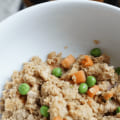
If you're considering transitioning to homemade dog food, here are a few simple recipes that are both nutritious and easy to prepare:- Chicken and Rice: Boil chicken breast and mix it with cooked brown rice and steamed vegetables like carrots or peas.
- Beef Stew: Cook ground beef with sweet potatoes, green beans, and carrots for a hearty meal.
- Fish Delight: Combine cooked salmon with quinoa and spinach for a protein-rich dish.
Frequently Asked Questions About Dog Food Safety
As a responsible pet owner, ensuring the safety of your dog's food is paramount. Here are some frequently asked questions that can help clarify common concerns regarding dog food safety.What should I look for on a dog food label?
When examining dog food labels, focus on the following:- Ingredient Quality: Look for real meat as the first ingredient, followed by whole grains, fruits, and vegetables. Avoid foods with vague terms like "meat by-products" or fillers.
- Nutritional Adequacy Statement: Ensure the food meets AAFCO (Association of American Feed Control Officials) standards for your dog's life stage.
- Expiration Date: Always check the expiration date to ensure freshness and avoid feeding your dog expired products.
How can I tell if my dog food is safe?
To determine if your dog food is safe, consider these steps:- Research Brands: Investigate the brand's reputation and history.
Look for any recalls or safety issues reported in the past.
- Consult Your Veterinarian: If you have concerns about specific brands or ingredients, discussing them with your vet can provide personalized guidance.
- Monitor Your Dog's Health: Keep an eye on your dog's behavior and health after switching foods. Any signs of allergies or digestive issues should prompt a consultation with your vet.
What are common signs of food allergies in dogs?
Food allergies can manifest in various ways. Common signs include:- Itching and Scratching: Persistent scratching or biting at the skin can indicate an allergic reaction.
- Gastrointestinal Issues: Vomiting, diarrhea, or excessive gas may suggest that your dog is reacting poorly to their food.
- Ear Infections: Frequent ear infections can also be a sign of food allergies.
Are grain-free diets safe for dogs?
The safety of grain-free diets has been debated among veterinarians and pet nutritionists. While some dogs thrive on grain-free diets, others may be at risk for certain health issues, such as dilated cardiomyopathy (DCM).It's essential to consult with your veterinarian before making significant changes to your dog's diet.By staying informed and vigilant about what goes into your dog's bowl, you can help ensure their health and well-being.
Conclusion: Ensuring Your Dog's Health Through Proper Nutrition
In conclusion, the health and well-being of our canine companions are intricately linked to the quality of the food we provide them. As we have explored throughout this article, the alarming incidents of dog food recalls and the potential dangers associated with certain brands highlight the critical need for pet owners to be vigilant and informed about their choices.Understanding the ingredients in dog food is paramount. High-quality dog food should contain real meat as the primary ingredient, supplemented by wholesome grains, fruits, and vegetables. Avoiding foods with fillers, artificial preservatives, and low-quality by-products can significantly reduce the risk of health issues in dogs.Moreover, it is essential to stay updated on any recalls or warnings issued by authorities such as the FDA.Regularly checking for news regarding pet food safety can help you make timely decisions that protect your pet from harmful products. If you notice any changes in your dog's health or behavior after introducing a new food, consulting with a veterinarian promptly is crucial.As we have seen, some popular brands have faced scrutiny due to their ingredient quality and potential health risks. Therefore, it is advisable to research brands thoroughly before making a purchase. Look for reviews from other pet owners and consider seeking recommendations from your veterinarian.In addition to commercial dog food, many pet owners are exploring homemade or raw diets as alternatives.
While these options can offer more control over ingredients, they also require careful planning to ensure that all nutritional needs are met. Consulting with a veterinary nutritionist can provide valuable guidance in this area.Ultimately, ensuring your dog's health through proper nutrition is a responsibility that every pet owner should take seriously. By making informed choices about dog food, you can help your furry friend lead a longer, healthier life filled with vitality and joy.