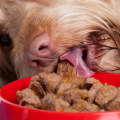
Understanding your dog's nutritional needs is essential for ensuring their overall health and well-being. Just like humans, dogs require a balanced diet that provides the necessary nutrients to thrive. However, the specific dietary requirements can vary significantly based on factors such as age, breed, size, and activity level. This makes it crucial for pet owners to educate themselves about what constitutes a healthy dog diet and how to select the best dog food that meets these needs.One of the primary components of a dog's diet is protein, which is vital for muscle development, energy, and overall health.
Dogs are omnivores, but they thrive on high-quality animal proteins. When evaluating dog food brands, look for those that list real meat as the first ingredient. Additionally, healthy fats are important for maintaining a shiny coat and healthy skin, while carbohydrates provide energy and aid in digestion. Understanding these macronutrients will help you make informed choices about your dog's food.Moreover, it's not just about the ingredients; the quality of those ingredients matters immensely.
Many commercial dog foods contain fillers and artificial additives that can be detrimental to your dog's health. By familiarizing yourself with the nutritional labels and ingredient lists, you can avoid brands that compromise on quality. Consulting with a veterinarian can also provide personalized insights into your dog's specific dietary needs, ensuring that you choose a food that supports their health throughout their life stages.In summary, recognizing your dog's unique nutritional requirements is the first step in selecting the best dog food. A well-balanced diet tailored to their individual needs will not only enhance their quality of life but also contribute to their longevity.
As you embark on this journey of finding the healthiest brand of dog food, keep in mind that informed choices lead to happier, healthier pets.
Key Ingredients to Look for in Dog Food
When selecting the best dog food for your furry friend, understanding the key ingredients that contribute to a healthy diet is crucial. A well-balanced dog food should contain a variety of components that support your dog's overall health, energy levels, and longevity.High-Quality Proteins
The foundation of any nutritious dog food is high-quality protein. Look for ingredients such as:
- Real meat (e.g., chicken, beef, lamb, or fish) listed as the first ingredient.
- Meat meals (e.g., chicken meal or fish meal), which are concentrated sources of protein.
- Whole eggs, which provide essential amino acids and are easily digestible.
Healthy Carbohydrates
While dogs are primarily carnivorous, carbohydrates play an important role in their diet. Opt for:
- Low-glycemic grains such as brown rice, quinoa, or barley that provide sustained energy without causing blood sugar spikes.
- Vegetables like sweet potatoes and peas, which are rich in vitamins and minerals.
- Legumes, such as lentils and chickpeas, which offer fiber and additional protein.
Essential Fats
Fats are vital for maintaining healthy skin and a shiny coat.
Look for:
- Animal fats, such as chicken fat or fish oil, which are rich in omega-3 and omega-6 fatty acids.
- Flaxseed oil, which is a plant-based source of omega fatty acids.
Supplements for Added Benefits
Many premium dog foods include beneficial supplements that can enhance your dog's health. Key supplements to look for include:
- Glucosamine and chondroitin, which support joint health, especially in older dogs or active breeds.
- Probiotics, which promote gut health and improve digestion.
- Amino acids, such as taurine, which are essential for heart health.
The Role of Protein in Dog Food
When it comes to formulating a balanced diet for dogs, protein plays a pivotal role. It is essential for growth, maintenance, and overall health.Dogs, being omnivores, require a diet that includes a variety of nutrients, but protein is particularly crucial for several reasons.
Importance of Protein for Dogs
- Muscle Development: Protein is vital for building and repairing tissues, including muscles. This is especially important for active dogs or those in their growth phase.
- Immune Function: Proteins are integral to the immune system. Antibodies, which help fight infections, are made up of proteins.
- Hormonal Balance: Many hormones are proteins or peptides, and they play a significant role in regulating various bodily functions.
- Energy Source: While fats and carbohydrates are primary energy sources, protein can also be utilized by the body for energy when necessary.
Some premium brands even offer formulations with protein levels exceeding 40%, which can be advantageous for dogs with higher energy needs.
Best Protein Sources for Dogs
Not all proteins are created equal; the source of protein matters significantly. Here are some of the best protein sources commonly found in high-quality dog foods:
- Meat: Chicken, beef, lamb, and fish are excellent sources of animal protein. Look for foods that list these as the first ingredient.
- Fish Meal: A concentrated source of protein that also provides omega-3 fatty acids beneficial for skin and coat health.
- Eggs: Whole eggs are a complete protein source and highly digestible, making them an excellent addition to dog food.
- Pulses: Ingredients like lentils and chickpeas offer plant-based protein and are often included in grain-free formulas.
By choosing a dog food rich in quality proteins, you can help ensure your furry friend leads a healthy and active life.
Understanding Grains vs. Grain-Free Options
When it comes to choosing the right dog food, one of the most debated topics is whether to opt for grain-inclusive or grain-free options. Understanding the differences between these two categories can help you make an informed decision that best suits your dog's health and dietary needs.Grain-Inclusive Dog Food
Grain-inclusive dog foods contain various grains such as rice, barley, and oats. These ingredients can provide essential nutrients and energy sources for dogs.
Here are some benefits of including grains in your dog's diet:
- Digestive Health: Whole grains are a good source of dietary fiber, which can aid in digestion and promote a healthy gut.
- Energy Supply: Grains are rich in carbohydrates, providing a quick source of energy for active dogs.
- Nutrient-Rich: Many grains contain vitamins and minerals that contribute to overall health, including B vitamins and antioxidants.
Grain-Free Dog Food
On the other hand, grain-free dog foods have gained popularity, especially among pet owners concerned about allergies or sensitivities. These diets typically replace grains with alternative carbohydrate sources like sweet potatoes, peas, or lentils.
Here are some potential benefits of grain-free options:
- Allergy Management: Grain-free diets may be beneficial for dogs with specific grain allergies or sensitivities.
- High Protein Content: Many grain-free formulas focus on higher protein levels from meat sources, which can be advantageous for active dogs.
- Weight Management: Some grain-free options may help maintain a healthy weight by providing fewer empty calories.
The Best Grains for Dogs
If you decide to go with a grain-inclusive diet, consider these healthy grain options:
- Brown Rice: A highly digestible source of carbohydrates that provides energy without causing spikes in blood sugar.
- Oats: Rich in fiber and beneficial nutrients, oats can help maintain digestive health.
- Sorghum: A gluten-free grain that is high in protein and fiber while being easy on the stomach.
Evaluating Dog Food Brands: What to Consider
When it comes to selecting the best dog food for your furry friend, evaluating different brands is crucial.With a plethora of options available, understanding what to look for can help you make an informed decision that prioritizes your dog's health and well-being.
1.Brand Reputation
The reputation of a dog food brand is often a reflection of its quality. Look for brands that have been in the market for several years and have established a loyal customer base. Research online reviews and testimonials from other pet owners to gauge their experiences. Additionally, check if the brand has faced any recalls or controversies, as this can be a red flag regarding their manufacturing practices.
2.Ingredient Sourcing
High-quality ingredients are the backbone of nutritious dog food.
Investigate where the brand sources its ingredients. Brands that use locally sourced, whole foods tend to offer better nutrition than those that rely on fillers or by-products. Look for transparency in ingredient sourcing; reputable brands often provide detailed information about their suppliers and the origins of their ingredients.
3.Nutritional Adequacy
Ensure that the dog food meets the nutritional standards set by the Association of American Feed Control Officials (AAFCO). This organization establishes guidelines for pet food formulations, ensuring they provide complete and balanced nutrition.
Check for AAFCO statements on the packaging, which indicate that the food has undergone feeding trials or meets specific nutrient profiles.
4.Specialized Formulations
Consider your dog's specific needs when evaluating brands. Some dogs may require special diets due to allergies, sensitivities, or health conditions. Look for brands that offer specialized formulations tailored to different life stages, sizes, and health requirements. For instance, senior dogs may benefit from foods enriched with joint-supporting supplements like glucosamine.
5.Trusted Manufacturers
Research the manufacturers behind the dog food brands you are considering.
Established companies with a history of quality control and safety measures are generally more reliable. Look for certifications from organizations that ensure high manufacturing standards, such as the Global Food Safety Initiative (GFSI).By taking these factors into account, you can confidently evaluate various dog food brands and choose one that aligns with your dog's health needs and your values as a pet owner.
Top Healthiest Dog Food Brands Reviewed
When it comes to selecting the healthiest dog food brands, it's essential to consider not only the ingredients but also the nutritional value and overall reputation of the brand. Below is a curated list of some of the top-rated dog food brands that have garnered positive feedback from pet owners and veterinarians alike.- Orijen : Known for its biologically appropriate formulas, Orijen uses fresh, regional ingredients to create high-protein dog foods. Their recipes often feature a variety of meats, including chicken, turkey, and fish, ensuring that your dog receives a balanced diet rich in essential nutrients.
Many customers praise Orijen for its quality and the noticeable health improvements in their pets.
- Blue Buffalo : This brand emphasizes natural ingredients and offers a range of options tailored to different life stages and dietary needs. Blue Buffalo's formulas include real meat as the first ingredient and are free from artificial preservatives and fillers. Their "Life Protection Formula" is particularly popular among dog owners looking for a well-rounded diet.
- Wellness Core : A grain-free option that focuses on high protein content, Wellness Core is designed for active dogs. The brand uses premium proteins like turkey and chicken, along with a blend of fruits and vegetables for added vitamins and minerals.
Customers often report improved energy levels and healthier coats after switching to this brand.
- Nature's Logic : This brand stands out for its commitment to using whole foods without synthetic vitamins or minerals. Nature's Logic offers a variety of recipes that include high-quality proteins and whole grains, making it an excellent choice for dogs with sensitivities. Pet owners appreciate the transparency in their ingredient sourcing.
- Canidae : Canidae is known for its "All Life Stages" formula, which is suitable for dogs of all ages and sizes. Their recipes are made with real meat, wholesome grains, and a blend of probiotics for digestive health.
Many customers have noted that their dogs thrive on Canidae's balanced nutrition.
Common Myths About Dog Food Debunked
When it comes to choosing the best dog food for your furry friend, misinformation can lead to poor dietary choices. Here, we will debunk some of the most common myths surrounding dog food and nutrition, helping you make informed decisions for your pet's health.- Myth 1: Grain-Free Diets Are Always Healthier
Many pet owners believe that grain-free diets are superior for dogs.While some dogs may have specific grain allergies, most dogs can digest grains without any issues. In fact, whole grains like brown rice and oats can provide essential nutrients and fiber. It's crucial to consult with your veterinarian before switching to a grain-free diet.
- Myth 2: Dogs Are Carnivores and Need Only Meat
While dogs are primarily carnivorous, they are also omnivores. This means they can thrive on a balanced diet that includes both animal proteins and plant-based ingredients.A well-rounded diet with vegetables and grains can provide necessary vitamins and minerals that meat alone may not supply.
- Myth 3: All Dog Foods Are Created Equal
Not all dog foods are made the same. The quality of ingredients varies significantly between brands. Premium brands often use high-quality proteins and avoid fillers, while lower-quality options may contain by-products and artificial additives. Always read labels carefully to ensure you are choosing a reputable brand. - Myth 4: Homemade Dog Food Is Always Better
While homemade dog food can be beneficial if prepared correctly, it often lacks essential nutrients unless carefully balanced.Many pet owners may not have the knowledge or resources to create a nutritionally complete diet for their dogs. Consulting with a veterinary nutritionist is advisable if you consider making homemade meals.
- Myth 5: Dogs Should Eat Only Once a Day
Feeding frequency can vary based on a dog's age, size, and activity level. Puppies typically require more frequent meals, while adult dogs may do well with two meals a day. It's essential to tailor feeding schedules to your dog's specific needs for optimal health.
Always prioritize high-quality ingredients and consult with professionals when in doubt about your dog's nutritional needs.
Consulting with Your Veterinarian: A Key Step in Choosing Dog Food
When it comes to selecting the best dog food for your furry friend, one of the most crucial steps is consulting with your veterinarian. Veterinarians are trained professionals who understand the unique nutritional needs of dogs based on their age, breed, size, and health conditions. Their expertise can help you navigate the often overwhelming array of dog food options available on the market.Understanding Your Dog's Unique Needs
Every dog is different, and what works for one may not be suitable for another. For instance, puppies have different dietary requirements compared to adult or senior dogs.
A veterinarian can provide tailored recommendations that consider:
- Age: Puppies require higher protein and fat content for growth, while older dogs may need a diet lower in calories but rich in fiber.
- Breed: Certain breeds are prone to specific health issues that can be managed through diet. For example, large breeds may benefit from food that supports joint health.
- Health Conditions: Dogs with allergies, diabetes, or other medical conditions may require specialized diets that a vet can recommend.
The Importance of Professional Guidance
Veterinarians can also help you understand the ingredients in dog food and what to look for when reading labels. They can explain the significance of high-quality proteins, healthy fats, and essential vitamins and minerals. This knowledge empowers you to make informed decisions about your dog's nutrition.Moreover, a vet can guide you on how to transition your dog to a new food gradually.
Sudden changes in diet can lead to digestive upset, so following a vet's advice on how to introduce new foods safely is essential.
Regular Check-Ups and Nutritional Adjustments
Your dog's nutritional needs may change over time due to factors like aging or changes in activity level. Regular veterinary check-ups allow for ongoing assessments of your dog's health and dietary needs. Your vet can recommend adjustments to their diet as necessary, ensuring they receive optimal nutrition throughout their life.In conclusion, consulting with your veterinarian is an invaluable step in choosing the best dog food for your pet. Their professional insights not only help you select a high-quality brand but also ensure that the food meets your dog's specific health requirements.
By prioritizing veterinary advice, you are taking a significant step toward enhancing your dog's overall well-being and longevity.
Transitioning Your Dog to a New Food: Best Practices
Transitioning your dog to a new food brand is a crucial process that requires careful planning and execution. A sudden change in diet can lead to digestive upset, including diarrhea, vomiting, or loss of appetite. To ensure a smooth transition, follow these best practices:- Gradual Introduction: Start by mixing a small amount of the new food with your dog's current food. A common recommendation is to begin with 25% new food and 75% old food.
- Increase Slowly: Over the course of 7 to 10 days, gradually increase the proportion of the new food while decreasing the old food.
For example, on days 3-4, you might use a 50/50 mix.
- Monitor Your Dog: Keep an eye on your dog’s behavior and stool consistency throughout the transition. If you notice any signs of distress, slow down the process.
- Stay Consistent: Feed your dog at the same times each day and avoid giving treats that could interfere with their new diet.
- Consult Your Veterinarian: If your dog has specific health concerns or dietary needs, it’s wise to consult with your vet before making any changes.
- Choose High-Quality Food: Ensure that the new dog food is of high quality and meets your dog's nutritional needs.
Look for brands that use whole ingredients and avoid fillers.
- Enhance Palatability: If your dog is hesitant to try the new food, you can enhance its flavor by adding a small amount of low-sodium broth or mixing in some wet food.
- Be Mindful of Allergies: If your dog has known allergies or sensitivities, carefully read ingredient labels to avoid any potential triggers.
Conclusion: Making the Best Choice for Your Dog's Health
In conclusion, selecting the best dog food for your furry friend is a crucial decision that can significantly impact their overall health and well-being. Throughout this article, we have explored various factors that contribute to the quality of dog food, emphasizing the importance of high-quality ingredients, nutritional balance, and individual dietary needs.When evaluating different brands, it is essential to prioritize those that feature high-quality protein sources as the primary ingredients. Look for options that include real meat, fish, or eggs at the top of the ingredient list.This ensures that your dog receives the necessary amino acids for muscle development and energy.Additionally, consider the carbohydrate sources in the dog food. Low-glycemic grains like sorghum and millet can provide sustained energy without causing spikes in blood sugar levels. For dogs with specific dietary restrictions or sensitivities, grain-free options may be suitable, but it’s vital to consult with your veterinarian to determine what’s best for your pet.Another critical aspect is the inclusion of beneficial supplements such as glucosamine and chondroitin, which support joint health, especially in active or aging dogs. These ingredients can help maintain mobility and comfort as your dog ages.Ultimately, the healthiest brand of dog food will vary based on your dog's unique needs, lifestyle, and any health concerns they may have.
It’s advisable to conduct thorough research on various brands and consult with a veterinarian who can provide personalized recommendations tailored to your dog's specific requirements.By investing time in understanding your dog's nutritional needs and choosing a high-quality dog food brand, you are taking a significant step towards ensuring a longer, healthier life for your beloved pet. Remember that a well-nourished dog is not only happier but also more energetic and resilient against health issues.