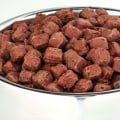
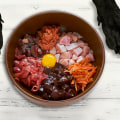
Understanding why some dogs are picky eaters is essential for any pet owner looking to provide the best nutrition for their furry friends. Just like humans, dogs can have their own unique preferences and aversions when it comes to food. These preferences can stem from a variety of factors, including genetics, past experiences, and even health issues. For instance, a dog that has had a negative experience with a particular type of food may develop an aversion to it, making them more selective in their choices.Another significant factor influencing a dog's food preferences is their breed.
Certain breeds are known for being more discerning eaters than others. For example, some toy breeds may be more finicky due to their smaller size and different nutritional needs, while larger breeds might have a more robust appetite. Additionally, age plays a crucial role; puppies and senior dogs often have different dietary requirements and may exhibit varying levels of pickiness based on their life stage.Health issues can also contribute to a dog's selectivity. Dogs suffering from dental problems, gastrointestinal issues, or allergies may find it uncomfortable or painful to eat certain foods.
This discomfort can lead them to avoid specific textures or flavors altogether. Therefore, understanding your dog's health status is vital in addressing their picky eating habits effectively.Ultimately, recognizing the reasons behind your dog's selective eating can help you make informed decisions about their diet. By catering to their preferences while ensuring they receive balanced nutrition, you can help your dog enjoy mealtime and maintain optimal health.
Key Nutritional Needs for Dogs
Understanding your dog's nutritional needs is crucial for ensuring their health and well-being. A balanced diet for dogs should include a variety of essential nutrients that support their growth, energy levels, and overall health.Here’s a breakdown of the key components that make up a nutritious dog food.
- Proteins: Proteins are the building blocks of your dog's body. They are essential for muscle development, tissue repair, and the production of enzymes and hormones. High-quality protein sources such as chicken, beef, fish, and eggs should be included in your dog's diet. Look for dog foods that list a specific meat as the first ingredient to ensure adequate protein content.
- Fats: Fats are a concentrated source of energy and are vital for maintaining healthy skin and a shiny coat.
They also aid in the absorption of fat-soluble vitamins (A, D, E, K). Omega-3 and Omega-6 fatty acids are particularly important for reducing inflammation and supporting heart health. Ingredients like fish oil or flaxseed can provide these essential fatty acids.
- Carbohydrates: While dogs are primarily carnivorous, carbohydrates can provide a valuable source of energy. Whole grains like brown rice and oats, as well as vegetables like sweet potatoes and peas, can be beneficial.
They also offer fiber, which aids in digestion and helps maintain a healthy weight.
- Vitamins: Vitamins play various roles in your dog's body, from supporting immune function to promoting healthy skin and coat. Key vitamins include Vitamin A for vision, Vitamin D for bone health, and B vitamins for energy metabolism. A well-rounded dog food will contain a mix of these vitamins to support overall health.
- Minerals: Minerals such as calcium, phosphorus, potassium, and zinc are essential for numerous bodily functions including bone development, nerve function, and immune response. Ensure that your dog's food contains appropriate levels of these minerals to support their health.
Consulting with your veterinarian can also help you determine the best dietary plan for your furry friend.
Identifying the Best Dog Food for Picky Eaters
Choosing the best dog food for picky eaters can be a challenging task, but understanding your dog's unique preferences and dietary needs is crucial. Here are some essential tips to help you navigate the selection process:- Read the Labels: Always start by examining the ingredient list on the dog food packaging. Look for high-quality protein sources, such as real meat or fish, listed as the first ingredient. Avoid foods that contain fillers like corn, wheat, or soy, as these can be less appealing to picky eaters.
- Understand Ingredients: Familiarize yourself with common ingredients found in dog food.
For instance, some dogs may have sensitivities to certain proteins or grains. If your dog has shown aversions in the past, consider limited ingredient diets that focus on a single protein source and minimal additives.
- Consider Texture: Picky eaters often have strong preferences for specific textures. Some dogs may prefer dry kibble, while others might enjoy wet or semi-moist foods. Experimenting with different textures can help you find what your dog enjoys most.
- Flavor Variety: Dogs can be finicky about flavors.
Offering a variety of flavors can keep mealtime exciting. Look for brands that provide multiple recipes or consider rotating between different types of food to maintain your dog's interest.
- Check for Nutritional Balance: Ensure that the food you choose meets the nutritional standards set by the Association of American Feed Control Officials (AAFCO). This guarantees that the food provides a complete and balanced diet for your dog’s life stage.
- Consult Your Veterinarian: If your dog is particularly picky or has specific health concerns, consulting with a veterinarian can provide valuable insights. They can recommend suitable brands or formulations tailored to your dog's needs.
Remember that patience is key; it may take some time to find the perfect match that satisfies both their taste buds and nutritional requirements.
Top 10 Dog Foods Recommended for Picky Eaters
Finding the right food for a picky eater can be a challenge, but the following selections have proven to be favorites among discerning dogs. Each of these dog foods is crafted with high-quality ingredients and flavors that are sure to entice even the fussiest of eaters.- Stella & Chewy's Freeze-Dried Raw Dinner Morsels - This product features real meat and organic fruits and vegetables, providing a balanced diet that is both nutritious and delicious. The freeze-drying process preserves the natural flavors, making it an irresistible option for picky pups.
- Taste of the Wild High Prairie Canine Recipe - With roasted bison and roasted roasted venison as primary ingredients, this grain-free formula is rich in protein and flavor. The addition of sweet potatoes and peas provides essential nutrients while appealing to your dog's taste buds.
- Rachael Ray Nutrish Zero Grain - This natural dog food is made with real turkey as the first ingredient and contains no grains, gluten, or fillers.
Its simple recipe is designed for dogs with food sensitivities, making it a great choice for picky eaters.
- Blue Buffalo Wilderness Adult Dog Food - Known for its high protein content, this grain-free formula includes real chicken and is packed with antioxidants. The rich flavor profile makes it a favorite among dogs who are selective about their meals.
- Crave High-Protein Dry Dog Food - This food is inspired by a dog's natural diet, featuring real meat as the first ingredient. With a higher fat content, it provides energy while being palatable for picky eaters.
- Blue Buffalo Basics Limited Ingredient Diet - Ideal for dogs with food sensitivities, this wet food contains a limited number of ingredients, including turkey and potato. It’s free from common allergens like chicken and beef, making it suitable for sensitive stomachs.
- Nulo Freestyle Grain-Free Dry Dog Food - Featuring turkey and sweet potatoes, this recipe boasts 85% animal protein.
It also includes probiotics for digestive health, making it both tasty and beneficial for picky eaters.
- Nom Nom Fresh Dog Food - Offering fresh meals tailored to your dog's preferences, Nom Nom provides free samples to ensure your pup loves their food before committing. Their recipes are rich in nutrients and flavor.
- CANIDAE PURE Limited Ingredient Grain-Free Premium Dry Dog Food - This formula is designed for dogs with sensitivities, featuring real meat as the first ingredient along with wholesome fruits and vegetables. Its simplicity makes it appealing to picky eaters.
- Purina Pro Plan Savor Adult Dry Dog Food - This comprehensive formula includes real meat and is designed to meet the nutritional needs of adult dogs. Its savory taste is often a hit with picky eaters who prefer a meaty flavor.
When choosing the best dog food for your picky eater, consider their specific dietary needs and preferences to find the perfect match.
Wet vs. Dry Dog Food: Which Is Better for Picky Eaters?
When it comes to choosing the best dog food for picky eaters, one of the most significant decisions pet owners face is whether to opt for wet or dry dog food. Each type has its unique benefits and drawbacks, making it essential to understand how they can cater to your dog's specific needs and preferences.Benefits of Wet Dog Food
Wet dog food, often found in cans or pouches, is known for its high moisture content, which can be particularly beneficial for dogs that may not drink enough water. Here are some advantages:- Enhanced Palatability: Many dogs find wet food more appealing due to its aroma and texture.
This can be especially helpful for picky eaters who may turn their noses up at dry kibble.
- Hydration: The high moisture content in wet food helps keep your dog hydrated, which is crucial for their overall health, especially in warmer climates or for dogs that are less inclined to drink water.
- Easy to Chew: Wet food is softer and easier to chew, making it an excellent option for older dogs or those with dental issues.
Benefits of Dry Dog Food
On the other hand, dry dog food, commonly known as kibble, offers its own set of advantages:- Convenience: Dry food is easier to store and serve. It has a longer shelf life than wet food and can be left out without spoiling.
- Dental Health: The crunchy texture of kibble can help reduce plaque and tartar buildup on your dog's teeth, promoting better oral health.
- Nutritional Balance: Many dry dog foods are formulated to provide a complete and balanced diet, ensuring that your dog receives all the necessary nutrients in each meal.
Homemade Dog Food: A Solution for Picky Eaters?
For many dog owners, the struggle of finding the best dog food for picky eaters can be frustrating.One alternative that has gained popularity is homemade dog food. This option not only allows you to control the ingredients but also tailor meals to your dog's specific tastes and dietary needs.
Benefits of Homemade Dog Food
- Quality Control: When you prepare your dog's meals at home, you have complete control over the ingredients. This means you can avoid fillers, artificial preservatives, and allergens that may be present in commercial dog foods.
- Customization: Homemade meals can be tailored to suit your dog's preferences and nutritional requirements. If your dog loves chicken but turns their nose up at beef, you can create a chicken-based recipe that they will enjoy.
- Freshness: Homemade dog food is often fresher than store-bought options, which can sit on shelves for extended periods.
Fresh ingredients can enhance flavor and nutritional value.
- Health Benefits: Cooking for your dog allows you to incorporate wholesome ingredients that promote overall health, such as vegetables rich in vitamins and minerals.
Creating Balanced Meals
When preparing homemade dog food, it’s crucial to ensure that the meals are balanced and meet your dog's nutritional needs. Here are some tips:
- Consult a Veterinarian: Before making any significant changes to your dog's diet, consult with a veterinarian or a pet nutritionist. They can help you understand your dog's specific dietary needs based on their age, weight, and health status.
- Include Protein Sources: Dogs require protein for muscle development and energy. Good sources include lean meats like chicken, turkey, beef, and fish.
- Add Vegetables: Incorporate a variety of vegetables such as carrots, peas, and sweet potatoes.
These provide essential vitamins and fiber.
- Incorporate Healthy Fats: Healthy fats are vital for skin and coat health. Consider adding fish oil or flaxseed oil to your recipes.
- Avoid Harmful Ingredients: Some foods are toxic to dogs, including onions, garlic, chocolate, grapes, and raisins. Always research before adding new ingredients.
Simple Homemade Dog Food Recipes
If you're ready to try making homemade meals for your picky eater, here are two simple recipes to get you started:
- Chicken and Rice Recipe:
Cook 1 cup of brown rice according to package instructions. In a separate pan, boil 2 cups of chopped chicken breast until fully cooked.Mix the chicken with the rice and add 1 cup of steamed carrots for added nutrition.
- Beef and Sweet Potato Stew:
Brown 1 pound of ground beef in a pot. Add 1 diced sweet potato, 1 cup of green beans, and 4 cups of water. Simmer until the sweet potato is tender. Allow it to cool before serving.
By focusing on quality ingredients and balanced nutrition, you can create meals that not only satisfy your dog's taste buds but also contribute to their overall health.
Common Mistakes to Avoid When Feeding Picky Eaters
Feeding a picky eater can be a challenging experience for any dog owner. While it’s essential to provide your furry friend with nutritious meals, there are several common mistakes that can exacerbate their finicky eating habits. By recognizing and avoiding these pitfalls, you can help your dog develop healthier eating patterns.- Offering Too Many Treats: One of the most frequent errors is overindulging your dog with treats. While it’s tempting to reward your pup with snacks, excessive treats can lead to a lack of interest in their regular meals.
Instead, limit treats to training sessions or special occasions, ensuring they don’t replace balanced meals.
- Switching Foods Too Frequently: Constantly changing your dog’s food can confuse their palate and make them more selective. Stick to a consistent diet for at least a few weeks before considering a change. If you need to switch brands or flavors, do so gradually by mixing the new food with the old one.
- Feeding at Irregular Times: Dogs thrive on routine, and inconsistent feeding schedules can contribute to picky eating. Establish a regular feeding routine by offering meals at the same times each day.
This helps your dog understand when to expect food and encourages them to eat when it’s available.
- Not Considering Food Quality: The quality of the food you provide plays a significant role in your dog’s willingness to eat. Low-quality dog foods often contain fillers and artificial ingredients that may not appeal to picky eaters. Invest in high-quality, nutritious options that are formulated for your dog’s specific needs.
- Ignoring Texture Preferences: Just like humans, dogs have preferences when it comes to food texture. Some dogs may prefer dry kibble, while others might favor wet food or a combination of both.
Pay attention to what your dog enjoys and adjust their diet accordingly.
- Forcing Them to Eat: Forcing your dog to eat can create negative associations with mealtime and lead to further aversion. Instead of pressuring them, allow them the freedom to choose whether or not they want to eat. If they refuse their meal, remove it after 15-20 minutes and try again at the next scheduled feeding time.
FAQs About Feeding Picky Eaters
Feeding a picky eater can be a challenging experience for many dog owners.Below are some frequently asked questions that can help you navigate the complexities of feeding your finicky furry friend.
What should I do if my dog refuses to eat?
If your dog is consistently refusing to eat, it’s essential to first rule out any underlying health issues by consulting your veterinarian. If your dog is healthy, try offering different types of food, such as wet food or a mix of dry and wet options. Sometimes, warming the food slightly can enhance its aroma and make it more appealing.How can I encourage my picky eater to try new foods?
Encouraging your dog to try new foods can be done gradually. Start by mixing a small amount of the new food with their current favorite.Over time, increase the proportion of the new food while decreasing the old one. You can also add tasty toppers like low-sodium chicken broth or a sprinkle of cheese to entice them.
Is it okay to switch dog foods frequently?
While it’s generally advisable to stick with one brand or type of food for consistency, switching occasionally can be beneficial for picky eaters. However, make sure to transition slowly over several days to avoid digestive upset. A sudden change in diet can lead to gastrointestinal issues.Are there specific ingredients that attract picky eaters?
Many dogs are drawn to foods that contain high-quality proteins, such as chicken, beef, or fish.Ingredients like sweet potatoes and pumpkin can also be appealing due to their natural sweetness. Look for dog foods that list real meat as the first ingredient and avoid fillers like corn and soy.
How often should I feed my picky eater?
The feeding schedule for dogs typically involves two meals per day, but picky eaters may benefit from more frequent, smaller meals. This approach can help stimulate their appetite and make mealtime less stressful.What if my dog only wants treats?
If your dog shows a preference for treats over regular meals, consider using high-quality treats as a reward during training or as meal toppers. However, ensure that treats do not exceed 10% of their daily caloric intake to maintain a balanced diet.By addressing these common concerns and questions, you can better understand how to cater to your picky eater's needs while ensuring they receive the nutrition they require for a healthy life.Conclusion: Finding the Right Food for Your Picky Eater
In conclusion, selecting the best dog food for your picky eater requires a thoughtful approach that considers both their nutritional needs and personal preferences.As we have explored throughout this article, understanding your dog's unique tastes and dietary requirements is crucial in ensuring they receive the essential nutrients necessary for their health and well-being.When faced with a fussy eater, it’s important to remember that not all dogs will respond to the same foods. Some may prefer dry kibble, while others might be more inclined towards wet or semi-moist options. Experimenting with different textures and flavors can help you discover what excites your dog at mealtime.Additionally, consider the ingredients in the dog food you choose. High-quality proteins, wholesome grains, and fresh vegetables can make a significant difference in palatability.
Look for brands that prioritize natural ingredients and avoid fillers or artificial additives, as these can detract from both taste and nutrition.Moreover, introducing new foods gradually can help ease the transition for your dog. Mixing a small amount of the new food with their current diet can encourage acceptance without causing digestive upset. Patience is key; it may take time for your dog to adjust to a new flavor or texture.Lastly, don’t hesitate to consult with your veterinarian if you’re struggling to find a suitable option for your picky eater. They can provide valuable insights into your dog's specific dietary needs and recommend products that align with their health goals.Ultimately, finding the right food for your picky eater is a journey that requires observation, experimentation, and sometimes a bit of creativity.
By prioritizing quality ingredients and being attentive to your dog's preferences, you can ensure that mealtime becomes an enjoyable experience for both you and your furry friend.