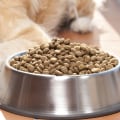
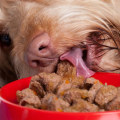
Understanding your dog's nutritional needs is essential for ensuring their overall health and well-being. Just like humans, dogs require a balanced diet that provides them with the necessary nutrients to thrive. The primary components of a dog's diet include proteins , fats , carbohydrates , vitamins , and minerals. Each of these elements plays a crucial role in maintaining your pet's health, energy levels, and immune system.
Proteins
are the building blocks of your dog's body, essential for growth, maintenance, and repair of tissues.
High-quality protein sources such as chicken, beef, fish, and eggs should be prioritized in your dog's food. Ideally, a dog food should contain at least 30% protein, with higher percentages being beneficial for active or working dogs. In addition to proteins,
fats
are vital for energy and help in the absorption of fat-soluble vitamins. Healthy fats from sources like fish oil or chicken fat not only provide energy but also contribute to a shiny coat and healthy skin.
Carbohydrates
serve as an important energy source and can be found in grains and vegetables.
While some dog foods are marketed as grain-free, it’s important to note that low-glycemic grains such as brown rice or sweet potatoes can provide essential nutrients without causing blood sugar spikes. Furthermore,
vitamins
and
minerals
are crucial for various bodily functions, including bone health and immune support. Ingredients like fruits and vegetables can offer a rich source of these nutrients while also providing fiber for digestive health.By understanding these basic nutritional requirements, pet owners can make informed decisions about their dog's diet. This knowledge not only helps in selecting the best dog food but also ensures that your furry friend receives a balanced diet tailored to their specific needs based on age, size, breed, and activity level.
Consulting with a veterinarian can further guide you in choosing the right food that meets all these nutritional criteria.
Key Ingredients to Look for in Dog Food
When selecting the best dog food for your furry friend, understanding the key ingredients is crucial. High-quality dog food should be rich in essential nutrients that support your dog's overall health and well-being. Here are some vital components to look for:- Protein Sources: Dogs require a diet high in protein to maintain muscle mass and energy levels. Look for foods that list real meat as the first ingredient, such as chicken, beef, or fish.
These protein sources provide essential amino acids that are vital for your dog's growth and repair. Fish, particularly salmon and sardines, are excellent options as they also contain omega-3 fatty acids, which promote a healthy coat and skin.
- Quality over Quantity: It's not just about the amount of protein; the quality matters significantly. Avoid dog foods that rely on meat by-products or fillers. Instead, opt for brands that use whole meats or named meat meals (like chicken meal) as their primary protein source.
- Low-Glycemic Grains: While dogs can digest grains, it's essential to choose low-glycemic options that won't cause spikes in blood sugar levels.
Ingredients like brown rice, barley, and quinoa are preferable. These grains provide sustained energy and help keep your dog feeling full longer.
- Fruits and Vegetables: Incorporating fruits and vegetables into your dog's diet can enhance their nutritional intake. Ingredients like sweet potatoes, carrots, blueberries, and spinach are rich in vitamins, minerals, and antioxidants that support immune function and overall health.
- Healthy Fats: Fats are an important energy source for dogs. Look for dog foods that include healthy fats from sources like fish oil or flaxseed oil.
These fats not only provide energy but also contribute to a shiny coat and healthy skin.
The Role of Protein in Your Dog's Diet
Protein is a fundamental component of your dog's diet, playing a crucial role in their overall health and well-being. It serves as the building block for muscles, skin, and other tissues, making it essential for growth, maintenance, and repair. Understanding your dog's protein requirements is vital to ensure they receive the right amount for their specific needs.Dog Protein Requirements
The protein needs of dogs can vary significantly based on several factors, including age, size, breed, and activity level.
Generally, adult dogs require a minimum of 18% protein in their diet, while puppies and pregnant or nursing dogs may need as much as 22-32%. Active breeds or working dogs may also benefit from higher protein levels to support their energy needs and muscle maintenance.
Protein Sources for Dogs
When selecting dog food, it's important to consider the quality and source of protein. High-quality proteins are derived from animal sources such as:
- Meat: Beef, chicken, lamb, and turkey are excellent sources of protein that provide essential amino acids.
- Fish: Fish meal or whole fish like salmon is rich in protein and omega-3 fatty acids, which promote healthy skin and coat.
- Eggs: Eggs are a complete protein source and are easily digestible for dogs.
- Dairy: Some dogs can benefit from dairy products like yogurt or cottage cheese in moderation.
- Plant-based proteins: Ingredients like lentils, chickpeas, and quinoa can supplement protein intake but should not replace animal proteins entirely.
Benefits of Protein in Dog Food
A diet rich in high-quality protein offers numerous benefits for your dog:
- Muscled Development: Adequate protein supports muscle growth and repair, especially important for active dogs.
- Healthy Skin and Coat: Proteins contribute to the production of keratin and collagen, essential for maintaining healthy skin and a shiny coat.
- Immune Function: Proteins play a role in producing antibodies that help fight infections and diseases.
- Energy Levels: Protein provides a steady source of energy that helps keep your dog active throughout the day.
Understanding Grains and Carbohydrates in Dog Food
When it comes to your dog's diet, understanding the role of grains and carbohydrates is essential.Many pet owners are often confused about the necessity of grains in dog food, especially with the rising popularity of grain-free diets. However, it’s important to recognize that not all grains are created equal, and many can provide significant health benefits for your furry friend.
Grains in Dog Food
- Nutritional Value: Grains such as brown rice, oats, and barley are excellent sources of carbohydrates, which serve as a vital energy source for dogs. They also contain essential vitamins and minerals that contribute to overall health.
- Fiber Content: Many grains are rich in fiber, which aids in digestion and helps maintain a healthy weight by keeping your dog feeling full longer.
- Protein Source: While grains are not a primary protein source, they can complement meat-based proteins in a balanced diet.
Healthy Carbohydrate Sources for Dogs
In addition to traditional grains, there are various carbohydrate sources that can be beneficial for dogs:
- Sweet Potatoes: A popular alternative to grains, sweet potatoes are packed with vitamins and provide a good source of dietary fiber.
- Peas: These legumes are high in protein and fiber, making them an excellent addition to dog food.
- Quinoa: Although technically a seed, quinoa is often used as a grain substitute and is rich in protein and essential amino acids.
The Grain-Free Dog Food Debate
The trend towards grain-free dog food has sparked considerable debate among pet owners and veterinarians alike. While some believe that eliminating grains can prevent allergies or digestive issues, research has not conclusively supported these claims.
In fact, many dogs thrive on diets that include healthy grains. It’s crucial to consult with your veterinarian before making any significant changes to your dog's diet.Ultimately, the best approach is to focus on high-quality ingredients that meet your dog's specific nutritional needs. A balanced diet that includes both protein and healthy carbohydrates can lead to a happier, healthier pet.
Choosing the Right Dog Food Based on Life Stage and Size
When it comes to selecting the best dog food, understanding your dog's life stage and size is crucial. Dogs have different nutritional requirements at various stages of their lives, and these needs can also vary significantly based on their size and breed.Puppy Food vs.
Adult Dog FoodPuppies are in a rapid growth phase, requiring a diet that is rich in calories, protein, and essential nutrients. Puppy food is specifically formulated to support this growth, typically containing higher levels of protein (around 28-30%) and fat compared to adult dog food. This ensures that puppies receive the energy they need for their active lifestyles and developing bodies.In contrast, adult dog food is designed to maintain health rather than promote growth. It usually has a lower protein content (around 18-25%) and is balanced to meet the energy needs of fully grown dogs.
Transitioning from puppy food to adult food should occur around 12 months of age for most breeds, but larger breeds may require an extended period on puppy food to support their slower growth rates.
Small Breed Dog Food
Small breed dogs have unique dietary needs due to their faster metabolism and higher energy levels. Foods formulated for small breeds often contain smaller kibble sizes, making it easier for them to chew and digest. Additionally, these formulations typically have higher calorie density to meet their energy requirements without requiring them to eat large volumes of food.When selecting food for small breeds, look for options that emphasize high-quality protein sources and essential fatty acids, which can help maintain healthy skin and coat. Ingredients like chicken, fish, or lamb are excellent choices.Large Breed Dog Food
On the other hand, large breed dogs have different nutritional needs that focus on supporting joint health and controlled growth rates.Large breed dog foods are often lower in calories and contain specific nutrients like glucosamine and chondroitin to promote joint health. These foods also typically have a balanced calcium-to-phosphorus ratio to prevent skeletal issues.It's essential to choose a large breed formula that supports gradual growth, as rapid weight gain can lead to serious health problems such as hip dysplasia. Look for foods that specify they are designed for large breeds on the packaging.In summary, understanding your dog's life stage and size is vital when choosing the right food. Whether you have a playful puppy or a mature large breed dog, selecting the appropriate formulation will help ensure your pet remains healthy and happy throughout their life.
Special Dietary Considerations for Dogs with Health Issues
When it comes to selecting the best dog food for pets with health issues, understanding their specific dietary needs is crucial.Many dogs suffer from allergies, sensitivities, or other health conditions that require special attention to their diet. Here are some key considerations to keep in mind when choosing food for dogs with these challenges.
Identifying Food Allergies
Food allergies in dogs can manifest in various ways, including skin irritations, gastrointestinal upset, and chronic ear infections. Common allergens include:- Beef
- Dairy
- Wheat
- Chicken
- Eggs
- Fish
Once identified, you can select a hypoallergenic dog food that avoids these allergens.
Sensitive Stomach Solutions
For dogs with sensitive stomachs, it’s essential to choose a diet that is easy to digest. Look for foods that contain:- High-quality protein sources (like lamb or turkey)
- Limited ingredients to reduce the risk of irritation
- Probiotics and prebiotics to support gut health
- Low-fat content to prevent gastrointestinal upset
Specialized Diets for Health Conditions
Certain health conditions may require specialized diets. For instance:- Diabetes: Look for low-glycemic ingredients and high fiber content to help regulate blood sugar levels.
- Kidney Disease: Foods lower in protein and phosphorus can be beneficial.
- Obesity: Weight management formulas with reduced calories and fat can help maintain a healthy weight.
By understanding their unique dietary requirements and consulting with a veterinarian, you can ensure your furry friend receives the nutrition they need to thrive.
Evaluating Dog Food Brands: What to Look For
When it comes to selecting the best dog food for your furry friend, evaluating different brands is crucial. With a plethora of options available, understanding what to look for can help you make an informed decision that prioritizes your dog's health and well-being.1.AAFCO Standards
The Association of American Feed Control Officials (AAFCO) sets the nutritional standards for pet foods in the United States. When assessing dog food brands, look for products that meet AAFCO standards. This ensures that the food has undergone rigorous testing and contains the necessary nutrients for your dog's specific life stage—be it puppy, adult, or senior.
AAFCO approval is often indicated on the packaging, so make sure to check for this label.
2.Ingredient Quality
Not all ingredients are created equal. Reputable brands prioritize high-quality ingredients, which means sourcing proteins from named meat sources like chicken, beef, or fish rather than generic terms like "meat meal." Additionally, look for whole grains or vegetables as carbohydrate sources instead of fillers like corn or soy. The first few ingredients listed should ideally be high-quality proteins and wholesome grains or vegetables.
3.Brand Reputation
Researching a brand's reputation can provide insight into its commitment to quality. Trusted dog food manufacturers often have a long-standing history in the industry and are transparent about their sourcing and manufacturing processes.
Brands like Royal Canin, Hill's Science Diet, and Orijen are known for their dedication to producing high-quality dog food that meets stringent safety and nutritional standards.
4.Recalls and Safety Records
Check if the brand has had any recalls in the past and how they handled those situations. A responsible manufacturer will take swift action to rectify issues and communicate transparently with consumers. Websites like the FDA provide information on pet food recalls, which can be a valuable resource when evaluating a brand's safety record.
5.Customer Reviews and Testimonials
Reading customer reviews can offer real-world insights into how dogs respond to specific foods. Look for feedback regarding palatability, digestive health, and overall well-being after switching to a particular brand.
However, be cautious of overly positive reviews that may seem biased; seek out balanced opinions.
6.Veterinary Recommendations
Your veterinarian can be an invaluable resource when it comes to choosing the right dog food. They can recommend brands based on your dog's unique health needs, age, size, and breed. Consulting with a vet ensures that you are making choices that align with your pet's specific dietary requirements.By considering these factors when evaluating dog food brands, you can confidently choose a product that not only meets AAFCO standards but also supports your dog's health and happiness.
Top Recommended Dog Foods for Optimal Health
When it comes to selecting the best rated dog foods 2023, it's essential to consider both the nutritional value and the quality of ingredients. Below is a curated list of some of the top dog food brands that have garnered positive reviews for their commitment to pet health.- Royal Canin : Known for its breed-specific formulas, Royal Canin offers over 80 different dry dog food options tailored to meet the unique needs of various breeds.
Their products are designed to support specific health concerns, making them a top choice for pet owners looking for targeted nutrition.
- Hill's Science Diet : This brand is highly recommended by veterinarians and focuses on providing scientifically formulated recipes. Their foods are rich in high-quality proteins and essential nutrients, catering to dogs of all ages and sizes.
- Orijen : A premium brand that prides itself on using fresh, regional ingredients. Orijen's dog foods are biologically appropriate, meaning they mirror the natural diet of dogs with high protein content and low carbohydrates, making it an excellent choice for active dogs.
- Wellness CORE : This grain-free option is packed with protein and includes a variety of wholesome ingredients like fruits and vegetables. Wellness CORE is ideal for dogs with sensitivities to grains or those needing a high-protein diet.
- Nature's Logic : For those seeking a natural approach, Nature's Logic offers dog food made from whole foods without synthetic vitamins or minerals.
Their Sardine Meal Feast is particularly noted for its rich nutrient profile.
- Blue Buffalo : With a focus on natural ingredients, Blue Buffalo provides a range of options including grain-free and limited ingredient diets. Their formulas are enriched with antioxidants, vitamins, and minerals to support overall health.
By choosing from these highly rated options, you can help ensure your furry friend enjoys optimal health and vitality.
Consulting with Your Veterinarian: A Key Step in Choosing Dog Food
When it comes to selecting the best dog food for your furry friend, one of the most crucial steps is consulting with your veterinarian. Vets are trained professionals who understand the unique dietary needs of dogs based on various factors such as age, breed, size, and health conditions. Their expertise can guide you in making informed decisions that will benefit your pet's overall health and well-being.Personalized Recommendations
Every dog is different, and what works for one may not be suitable for another. A veterinarian can provide personalized recommendations tailored to your dog's specific needs.
For instance, puppies require different nutrients compared to adult dogs, and senior dogs may need diets that support joint health or manage weight. By discussing your dog's lifestyle and any existing health issues with your vet, you can receive guidance on the most appropriate food options.
Understanding Nutritional Needs
Veterinarians can help you understand the nutritional requirements of your dog. They can explain the importance of protein, fats, carbohydrates, vitamins, and minerals in your dog's diet. This knowledge is essential when evaluating different dog food brands and formulations.
For example, if your dog has allergies or sensitivities, your vet may recommend a limited-ingredient diet or a specific protein source that minimizes the risk of adverse reactions.
Monitoring Health Conditions
If your dog has pre-existing health conditions such as diabetes, kidney disease, or obesity, consulting with a veterinarian becomes even more critical. They can recommend specialized diets that cater to these conditions, ensuring that your pet receives the necessary nutrients without exacerbating their health issues. Regular check-ups will also allow your vet to monitor your dog's progress and make adjustments to their diet as needed.
Quality Assurance
Veterinarians often have insights into which brands are reputable and which products meet high-quality standards. They can guide you toward foods that have undergone rigorous testing and adhere to safety regulations.
This is particularly important in an industry where not all products are created equal.
Conclusion
In summary, consulting with your veterinarian is an essential step in choosing the healthiest dog food for your pet. Their expertise can help you navigate the myriad of options available and ensure that you select a diet that supports your dog's unique health needs. By prioritizing veterinary advice, you are taking a proactive approach to your pet's nutrition and overall well-being.
<strong>Conclusion</strong>
In conclusion, selecting the best dog food for your furry friend is a crucial decision that can significantly impact their overall health and well-being. As we have explored, the ideal dog food should be rich in high-quality protein sources, contain essential vitamins and minerals, and be tailored to your dog's specific needs based on their age, size, and health conditions.When evaluating different brands and formulations, it is essential to prioritize those that meet the standards set by the Association of American Feed Control Officials (AAFCO).This ensures that the food you choose is nutritionally complete and balanced. Additionally, consider the ingredients list carefully; look for whole meats as the primary ingredient and avoid foods with excessive fillers or artificial additives.Moreover, while many pet owners are drawn to grain-free diets, it is important to note that grains can provide valuable nutrients and fiber. Therefore, opting for low-glycemic grains like sorghum or millet can be beneficial for maintaining stable energy levels in your dog.Consulting with your veterinarian can also provide personalized insights into your dog's dietary requirements. They can help you navigate through the myriad of options available and recommend specific brands or formulations that align with your pet's health profile.Ultimately, investing time in researching and selecting the right dog food will pay off in the long run.
A well-nourished dog is not only happier but also less prone to health issues, leading to a longer and more fulfilling life. Remember that every dog is unique; what works for one may not work for another. Therefore, remain attentive to your dog's reactions to their diet and be prepared to make adjustments as necessary.By prioritizing quality ingredients and understanding your dog's individual needs, you can confidently choose the best dog food that supports their health and happiness.