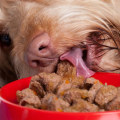
Understanding your dog's nutritional needs is essential for ensuring their overall health and happiness. Just like humans, dogs require a balanced diet that provides the right mix of nutrients to thrive. This includes proteins, fats, carbohydrates, vitamins, and minerals. Each of these components plays a vital role in your dog's growth, energy levels, and immune function.
Therefore, selecting the best dog food tailored to your dog's specific needs is crucial.Every dog is unique, with varying dietary requirements based on factors such as age, breed, size, and activity level. For instance, puppies need a diet rich in protein and calories to support their rapid growth and development, while senior dogs may benefit from lower-calorie options that are easier to digest. Additionally, certain breeds may have predispositions to specific health issues that can be managed through proper nutrition. Understanding these nuances can help you make informed decisions when choosing the right food for your furry friend.Moreover, the quality of ingredients in dog food can significantly impact your pet's health.
Many commercial dog foods contain fillers and artificial additives that may not provide the necessary nutrients. By focusing on high-quality ingredients and avoiding harmful additives, you can ensure that your dog receives the best possible nutrition. This not only contributes to their physical well-being but also enhances their mood and behavior.In conclusion, investing time in understanding your dog's nutritional needs is a fundamental step toward providing them with a long, healthy life. The right diet can lead to improved energy levels, a shiny coat, and a happy disposition.
As we delve deeper into the world of dog food options available today, keep in mind that the best choices are those that align with your dog's individual needs.
Factors That Influence Dog Food Preferences
When it comes to selecting the best dog food for your furry friend, understanding the factors that influence their preferences is crucial. Dogs, much like humans, have unique tastes and preferences that can significantly affect their eating habits. Here are some key elements that play a role in determining what your dog loves to eat:- Taste: The flavor of dog food is perhaps the most significant factor influencing a dog's preference. Dogs are naturally drawn to foods that are rich in protein and fat, as these ingredients mimic their ancestral diet.
Foods that contain real meat, such as chicken, beef, or fish, tend to be more appealing. Additionally, the inclusion of flavor enhancers can make a product more enticing.
- Texture: The texture of dog food can also impact a dog's willingness to eat. Some dogs prefer crunchy kibble, while others may favor softer, moist foods. The texture can affect not only the taste experience but also how easily the food can be chewed and digested.
For instance, puppies and older dogs may benefit from softer options that are easier on their teeth.
- Aroma: Dogs have an extraordinary sense of smell, which plays a vital role in their food preferences. A strong, appealing aroma can entice a dog to try a new food or finish their meal. Foods that are freshly prepared or contain high-quality ingredients often have a more robust scent that attracts dogs.
- Ingredients: The quality and type of ingredients used in dog food can greatly influence preferences. Dogs tend to gravitate towards foods with recognizable ingredients and those that avoid fillers or artificial additives.
Natural ingredients like sweet potatoes, peas, and carrots not only provide nutritional benefits but also enhance the overall appeal of the food.
- Health Considerations: Some dogs may have specific dietary needs or sensitivities that affect their food choices. For example, dogs with allergies may prefer limited-ingredient diets that avoid common allergens like grains or certain proteins. Understanding your dog's health requirements can help you select a food they will enjoy while meeting their nutritional needs.
Top Ingredients Dogs Love in Their Food
When it comes to selecting the best dog food, understanding the ingredients that dogs love is crucial.Dogs are not just carnivores; they thrive on a balanced diet that includes a variety of flavors and nutrients. Here are some key ingredients that can make your dog's food more appealing and nutritious.
Real Meat as the Primary Ingredient
One of the most important components of any dog food is real meat. Dogs naturally gravitate towards protein sources, and high-quality meats such as chicken, beef, lamb, and fish are often their favorites. These proteins not only provide essential amino acids for muscle development but also contribute to a rich flavor profile that dogs find irresistible.Look for dog foods where real meat is listed as the first ingredient, ensuring that your pup gets the protein they need.
Wholesome Grains
While some dog owners prefer grain-free diets for their pets, many dogs enjoy and benefit from wholesome grains like brown rice, oats, and barley. These grains serve as excellent sources of carbohydrates, providing energy for your active dog. Additionally, they contain fiber which aids in digestion. When selecting a dog food, consider those that include these grains in moderation to balance out the protein content.Nutritious Vegetables
Vegetables can also play a significant role in a dog's diet.Ingredients like sweet potatoes, carrots, and peas not only add flavor but also provide essential vitamins and minerals. For instance, sweet potatoes are rich in beta-carotene, which supports eye health, while peas offer protein and fiber. Including these vegetables can enhance the overall nutritional value of your dog's food.
Healthy Fats
Fats are another critical ingredient in dog food that contributes to flavor and palatability. Healthy fats from sources like fish oil or chicken fat provide essential fatty acids that promote a shiny coat and healthy skin.They also serve as a concentrated energy source for active dogs. Look for dog foods that include these healthy fats to ensure your pet enjoys their meals while reaping the benefits.
Flavor Enhancers
Lastly, many dog foods incorporate natural flavor enhancers such as broth or liver meal to make the food more enticing. These ingredients can significantly increase palatability, especially for picky eaters. However, it’s essential to choose products that use natural flavorings rather than artificial additives.In summary, when searching for the best dog food, focus on high-quality ingredients that dogs love—real meat, wholesome grains, nutritious vegetables, healthy fats, and natural flavor enhancers.By prioritizing these components, you can ensure your furry friend enjoys their meals while receiving the nutrition they need to thrive.
Popular Dog Food Brands That Dogs Adore
When it comes to selecting the best dog food, many pet owners turn to popular brands that have built a reputation for quality and taste. Here’s a closer look at some of the most adored dog food brands that consistently receive high marks from both dogs and their owners.Taste of the Wild
Taste of the Wild is renowned for its grain-free formulas that mimic a dog's natural diet. The brand emphasizes high-quality protein sources, such as roasted bison and roasted venison, which are not only appealing to dogs but also provide essential nutrients. Their recipes are rich in antioxidants from fruits and vegetables, promoting overall health and vitality.Blue Buffalo
Blue Buffalo is another favorite among dog owners, known for its commitment to using real meat as the first ingredient.Their Wilderness line is particularly popular, featuring high-protein recipes that cater to a dog's instinctual cravings. Additionally, Blue Buffalo incorporates LifeSource Bits—small kibbles packed with vitamins and minerals—ensuring a balanced diet that supports immune health.
Wellness
Wellness offers a variety of options tailored to different life stages and dietary needs. Their Core line is grain-free and focuses on high-quality proteins, while their Simple line caters to dogs with food sensitivities by using limited ingredients. Dogs love the taste of Wellness foods, which often include real meat, wholesome grains, and fresh fruits and vegetables.Purina Pro Plan
For those with picky eaters, Purina Pro Plan is an excellent choice.This brand combines palatability with nutrition, offering formulas designed to meet specific health needs. Their recipes often feature chicken or beef as the primary ingredient, ensuring that even the fussiest dogs find something they enjoy.
Rachael Ray Nutrish
Rachael Ray Nutrish stands out for its simple, natural ingredients. With no artificial preservatives or fillers, this brand focuses on wholesome recipes that include real meat and vegetables. Dogs are drawn to the rich flavors of Nutrish foods, making it a popular choice among pet parents looking for quality without breaking the bank.In conclusion, when searching for the best dog food, consider these popular brands that prioritize quality ingredients and taste.Each brand has unique offerings that cater to various dietary needs and preferences, ensuring your furry friend enjoys every meal while receiving optimal nutrition.
Comparing Dry vs. Wet Dog Food: Which Do Dogs Prefer?
When it comes to choosing the best type of dog food, one of the most significant decisions pet owners face is whether to feed their dogs dry or wet food. Each type has its own set of advantages and disadvantages, which can influence a dog's eating habits and preferences.Dry Dog Food: The Crunchy Choice
Dry dog food, often referred to as kibble, is a popular choice among dog owners for several reasons:- Convenience: Kibble is easy to store, measure, and serve. It doesn't require refrigeration and has a long shelf life.
- Dental Health: The crunchy texture of dry food can help reduce plaque and tartar buildup on a dog's teeth, promoting better oral health.
- Cost-Effective: Generally, dry dog food is more affordable than wet food, making it a budget-friendly option for many pet owners.
- Variety: There are numerous brands and formulations available, catering to different dietary needs and preferences.
- Hydration: Dry food contains very little moisture, which may not be ideal for dogs that do not drink enough water.
- Picky Eaters: Some dogs may find dry kibble less appealing than wet food, leading to decreased appetite.
Wet Dog Food: The Savory Option
On the other hand, wet dog food offers its own unique benefits:- Taste and Aroma: Wet food is often more palatable for dogs due to its rich flavors and enticing smells, making it a great option for picky eaters.
- Hydration: With a higher moisture content, wet food can help keep dogs hydrated, especially those who may not drink enough water on their own.
- Easier to Chew: Wet food can be easier for older dogs or those with dental issues to chew and digest.
- Shelf Life: Once opened, wet food must be refrigerated and used within a few days, which can lead to waste if not consumed quickly.
- Cost: Wet dog food tends to be more expensive than dry kibble, which can add up over time.
Some pet owners even opt for a combination of both types to provide variety in their dog's diet while ensuring they receive balanced nutrition.
Homemade Dog Food: A Tailored Approach to Taste and Nutrition
Creating homemade dog food can be a rewarding experience for both you and your furry friend. Not only does it allow you to control the ingredients, ensuring that your dog receives a balanced diet, but it also opens up a world of flavors that your pup is likely to love. Here are some key benefits and recipes to consider when making meals at home.Benefits of Homemade Dog Food
- Quality Control: When you prepare your dog's meals, you can select high-quality ingredients, avoiding fillers and preservatives often found in commercial dog foods.
- Customization: Every dog has unique dietary needs. Homemade meals can be tailored to accommodate allergies, sensitivities, or specific health conditions.
- Freshness: Homemade food is typically fresher than store-bought options, which can enhance flavor and nutritional value.
- Bonding Experience: Cooking for your dog can strengthen your bond as you take the time to prepare meals that cater to their tastes and preferences.
Simple Homemade Dog Food Recipes
Here are a couple of easy recipes that are both nutritious and delicious:- Chicken and Rice Delight
- 1 cup of cooked chicken (shredded)
- 1/2 cup of brown rice (cooked)
- 1/4 cup of carrots (finely chopped)
- 1/4 cup of peas (cooked)
This recipe is rich in protein and fiber, making it a great option for maintaining your dog's energy levels.
- Beef and Vegetable Medley
- 1 pound of ground beef (cooked)
- 1 cup of sweet potatoes (mashed)
- 1/2 cup of green beans (chopped)
- 1/4 cup of spinach (cooked)
Addressing Common Dog Food Myths and Misconceptions
When it comes to choosing the best dog food, many pet owners are often misled by common myths and misconceptions.Understanding the truth about dog nutrition is essential for making informed decisions that benefit your furry friend.
Myth 1: Grain-Free Diets Are Always Better
One prevalent belief is that grain-free diets are superior for all dogs. While some dogs may have specific grain allergies or sensitivities, most dogs can digest grains without any issues. In fact, grains like brown rice and oats can provide essential nutrients and fiber that support digestive health. It's crucial to consult with a veterinarian before making any drastic dietary changes.
Myth 2: Dogs Are Carnivores and Need Only Meat
Another misconception is that dogs are strict carnivores.
While dogs do thrive on a protein-rich diet, they are actually omnivores, meaning they can benefit from a variety of foods, including vegetables and grains. A balanced diet that includes proteins, carbohydrates, and fats is vital for their overall health.
Myth 3: All Dog Foods Are Created Equal
Many pet owners assume that all dog foods on the market meet the same nutritional standards. However, this is far from the truth. The quality of ingredients varies significantly between brands.
It's essential to read labels carefully and choose foods that list high-quality proteins as the first ingredient and avoid fillers like corn and soy.
Myth 4: Dogs Will Naturally Eat What They Need
Some believe that dogs will instinctively know what to eat and will self-regulate their diets. While dogs have some natural instincts, they can also develop unhealthy eating habits or preferences for less nutritious options. Regularly monitoring their diet and ensuring they receive balanced nutrition is crucial for their long-term health.
Myth 5: Homemade Dog Food Is Always Healthier
While homemade dog food can be beneficial if prepared correctly, it often lacks essential nutrients unless carefully formulated. Many pet owners may not realize the complexity of creating a balanced diet at home.
Consulting with a veterinary nutritionist can help ensure that homemade meals meet all of your dog's nutritional needs.By debunking these myths, pet owners can make more informed choices about their dog's diet, leading to healthier and happier lives for their beloved companions.
How to Transition Your Dog to a New Food Safely
Transitioning your dog to a new food is an important process that requires careful planning and execution. A sudden change in diet can lead to digestive upset, including diarrhea, vomiting, or loss of appetite. To ensure a smooth transition, follow these guidelines:1.Gradual Introduction
Start by mixing a small amount of the new food with your dog's current food. A good rule of thumb is to begin with about 25% of the new food and 75% of the old food.Over the course of 7 to 10 days, gradually increase the proportion of the new food while decreasing the old food. This slow introduction allows your dog's digestive system to adjust.
2.Monitor Your Dog's Reaction
As you transition, keep a close eye on your dog for any signs of digestive distress. Look for symptoms such as:- Loose stools
- Vomiting
- Excessive gas
- Lethargy
3.Consider Your Dog's Preferences
Dogs can be picky eaters, and their preferences can influence how well they adapt to new foods.If your dog seems uninterested in the new food, try warming it slightly or mixing in a small amount of wet food or broth to enhance its appeal.
4.Stay Consistent
Consistency is key when changing your dog's diet. Stick to a regular feeding schedule and avoid giving treats that might disrupt their appetite for the new food. This helps reinforce the idea that this is their new normal.5.Consult Your Veterinarian
If you have concerns about transitioning your dog's diet or if your dog has specific health issues, consult your veterinarian for personalized advice. They can recommend the best approach based on your dog's individual needs.By following these steps, you can help ensure that your dog transitions safely and comfortably to their new food, minimizing any potential digestive issues along the way.FAQs About Dog Food Preferences and Choices
When it comes to choosing the best dog food for your furry friend, many pet owners have questions.Here are some frequently asked questions that can help guide your decisions and ensure your dog enjoys their meals.
What ingredients should I look for in dog food?
When selecting dog food, prioritize high-quality ingredients. Look for:- Real meat as the first ingredient, such as chicken, beef, or fish.
- Whole grains like brown rice or oats, which provide energy and fiber.
- Fruits and vegetables for essential vitamins and minerals.
- Healthy fats , such as fish oil or flaxseed, to support skin and coat health.
How can I tell if my dog likes their food?
A dog's enjoyment of their food can be gauged by several factors:- If your dog eagerly approaches their bowl at mealtime, it's a good sign they enjoy their food.
- Watch for tail wagging and excitement during feeding times.
- If your dog consistently finishes their meal without hesitation, they likely find it tasty.
- Conversely, if your dog frequently leaves food uneaten or shows disinterest, it may be time to try a different brand or flavor.
Is it okay to switch dog foods frequently?
While dogs can adapt to new foods, frequent changes can lead to digestive upset. If you need to switch brands or formulas:- Transition gradually: Mix the new food with the old over a week to ease the change.
- Monitor for reactions: Keep an eye on your dog's stool and overall health during the transition.
- Consult your vet: If you have concerns about allergies or sensitivities, seek professional advice.
How often should I feed my dog?
The frequency of feeding depends on your dog's age, size, and activity level:- Puppies typically require three to four meals a day due to their high energy needs.
- Adult dogs usually do well with two meals per day.
- Seniors may benefit from smaller, more frequent meals to aid digestion.
Conclusion: Finding the Best Dog Food for Your Furry Friend
Choosing the best dog food for your furry friend is a crucial decision that can significantly impact their health, happiness, and overall well-being. Throughout this article, we have explored various options that cater to different dietary needs and preferences, ensuring that you have a comprehensive understanding of what to look for when selecting the right food for your dog.First and foremost, it’s essential to recognize that every dog is unique.Factors such as age, breed, size, and activity level play a significant role in determining their nutritional requirements. For instance, puppies require a diet rich in protein and calories to support their rapid growth, while senior dogs may benefit from lower-calorie options that promote joint health and weight management.Moreover, understanding your dog’s taste preferences can make a world of difference. Some dogs may prefer dry kibble, while others might lean towards wet food or even raw diets. Experimenting with different textures and flavors can help you identify what your dog enjoys the most.
Remember that transitioning to a new food should be done gradually to avoid digestive upset.In addition to taste and nutritional content, it’s vital to consider the quality of ingredients. Look for brands that prioritize natural, whole-food ingredients without fillers or artificial additives. High-quality proteins, healthy fats, and a variety of fruits and vegetables can contribute to a balanced diet that supports your dog’s health.Lastly, consulting with your veterinarian can provide personalized insights tailored to your dog's specific needs. They can help you navigate any food sensitivities or allergies your pet may have and recommend suitable options based on their health status.In conclusion, finding the best dog food involves a combination of understanding your dog's individual needs, preferences, and the quality of ingredients in the food you choose.
By taking the time to research and experiment with different options, you can ensure that your beloved pet receives the nutrition they need while enjoying every meal.