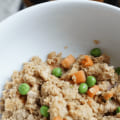
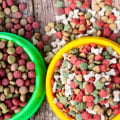
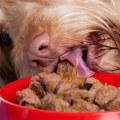
Ensuring the safety of our canine companions begins with understanding the complexities of dog food safety. As pet owners, we often trust that the food we purchase is not only nutritious but also safe for our dogs. However, recent incidents have highlighted a troubling reality: certain types of dog food can pose serious health risks. With reports linking specific brands and ingredients to illnesses and even fatalities in dogs, it is crucial to stay informed about what constitutes the best dog food for our furry friends.The landscape of dog food is vast and varied, encompassing everything from dry kibble to raw diets.
Unfortunately, not all options are created equal. The FDA has issued multiple recalls over the years due to contamination issues, including dangerous toxins like aflatoxin and excessive levels of vitamin D. These recalls serve as a stark reminder that vigilance is necessary when selecting a diet for our pets. Understanding which ingredients can lead to health complications is essential for every dog owner.Moreover, the rise in popularity of grain-free diets has sparked concern among veterinarians and pet nutritionists alike.
While these diets may seem appealing, they have been associated with an increased risk of heart disease in dogs. As we delve deeper into the topic of dog food safety, it becomes evident that making informed choices is paramount. By recognizing potential hazards and staying updated on dog food recalls , we can better protect our pets from harmful ingredients and ensure their overall well-being.
Recent Incidents and FDA Warnings
In recent months, the Food and Drug Administration (FDA) has issued alarming warnings regarding certain dog food brands, particularly highlighting the dangers associated with Sportmix. This brand has been linked to a series of tragic incidents involving canine health, including the deaths of over 70 dogs and illnesses in an additional 80.The primary culprit identified in these cases is aflatoxin , a potent toxin that can develop in grains such as corn, which are commonly used in many pet food formulations.The FDA's investigation revealed that aflatoxin levels in some batches of Sportmix exceeded safe limits, prompting a widespread recall of various products under this brand. Pet owners are urged to check their supplies for any affected items and to discontinue use immediately if they find any recalled products. The implications of aflatoxin contamination are severe; it can lead to liver damage and other serious health issues in dogs, making it crucial for pet owners to remain vigilant.Moreover, the FDA has expanded its focus beyond just Sportmix. Reports have surfaced linking more than 16 different brands of dog food to an increased risk of heart failure, particularly those marketed as grain-free.
This has raised concerns among veterinarians who are now advising pet owners to reconsider their choices when it comes to dog food. While grain-free diets have gained popularity, the potential risks associated with these formulations cannot be ignored.In addition to aflatoxin concerns, the FDA has also warned about dog foods containing excessive levels of vitamin D , which can lead to serious health complications for pets. Symptoms of vitamin D toxicity include vomiting, loss of appetite, increased thirst, and even kidney failure in severe cases. Pet owners should be proactive in monitoring their dog's diet and should consult with their veterinarian if they suspect any issues.To ensure the safety and well-being of your furry companions, it is essential to stay informed about recalls and safety alerts related to dog food.
Regularly checking the FDA's website for updates can help you avoid potential hazards associated with contaminated or unsafe pet food products.
Common Ingredients Linked to Dog Illnesses
When it comes to selecting the best dog food for your furry friend, understanding the ingredients is crucial. Certain components in dog food have been linked to health issues, raising concerns among pet owners. Here, we delve into some common ingredients that can pose risks to your dog's health.Harmful Ingredients to Watch For
Many dog foods contain ingredients that may be harmful or even toxic. Here are some of the most concerning:- Aflatoxins: These are naturally occurring toxins produced by molds found on grains and nuts.
Aflatoxins can lead to severe liver damage and have been linked to numerous dog illnesses and fatalities.
- Ethoxyquin: This is a preservative used in some dog foods that has raised safety concerns. While it helps prevent spoilage, it has been associated with various health issues, including skin problems and liver damage.
- Propylene Glycol: Commonly used in semi-moist dog foods, this ingredient can cause skin irritation and has been linked to more severe health issues in pets.
- Grain-Free Formulations: While grain-free diets are marketed as healthier options, they have been associated with an increased risk of canine dilated cardiomyopathy (DCM). This heart condition can lead to serious health complications and even death.
The Risks of Grain-Free Diets
The trend towards grain-free dog food has gained popularity, but recent studies suggest that these diets may not be as beneficial as once thought. The FDA has reported a concerning link between grain-free diets and DCM, particularly in breeds predisposed to heart issues.Ingredients like peas, lentils, and potatoes are often used as substitutes for grains but may not provide the necessary nutrients for optimal heart health.
Toxic Ingredients in Dog Food
In addition to the aforementioned ingredients, there are other toxic substances that pet owners should be aware of:- Xylitol: This sugar substitute is extremely toxic to dogs and can cause rapid insulin release, leading to hypoglycemia.
- Onions and Garlic: Both of these common kitchen staples can damage red blood cells in dogs, leading to anemia.
- Corn and Soy Products: While not inherently toxic, these ingredients can cause allergies or digestive issues in some dogs.
Understanding Aflatoxin and Its Effects on Dogs
Aflatoxin is a naturally occurring mycotoxin produced by certain molds, particularly Aspergillus flavus and Aspergillus parasiticus, which thrive in warm and humid environments. These molds can contaminate various agricultural products, including corn, peanuts, and other grains commonly used in dog food. When these contaminated ingredients are incorporated into pet food, they pose a significant health risk to dogs.The presence of aflatoxin in dog food can lead to serious health issues.Dogs that consume food containing high levels of aflatoxin may experience a range of symptoms, which can vary in severity depending on the amount ingested and the duration of exposure. Common symptoms of aflatoxin poisoning include:
- Vomiting: One of the first signs that something is wrong, vomiting can occur shortly after ingestion.
- Diarrhea: Dogs may experience diarrhea, which can be severe and lead to dehydration.
- Lethargy: Affected dogs often show signs of fatigue and lack of energy.
- Loss of appetite: Many dogs will refuse to eat when they are feeling unwell due to aflatoxin exposure.
- Jaundice: A yellowing of the skin and eyes may occur as liver function deteriorates.
- Abdominal pain: Dogs may exhibit signs of discomfort or pain in their abdomen.
Regularly checking for recalls and being aware of any reported cases of contamination can also help ensure your dog's safety. Remember, a well-informed pet owner is the best defense against potential health risks associated with dog food.
The Link Between Grain-Free Diets and Heart Disease
In recent years, there has been a growing concern among veterinarians and pet owners regarding the potential link between grain-free diets and a serious heart condition known as canine dilated cardiomyopathy (DCM). This condition affects the heart muscle, leading to a decreased ability to pump blood and can ultimately result in congestive heart failure or sudden cardiac death. While DCM has traditionally been associated with certain dog breeds, emerging research suggests that diet may play a significant role in its development.The FDA has been investigating reports that indicate a correlation between grain-free dog foods and DCM.Specifically, many of the reported cases involve diets that are high in peas, lentils, chickpeas, and various types of potatoes. These ingredients are often used as substitutes for grains like corn and wheat, which are commonly found in traditional dog foods. The FDA's investigation has revealed that over 500 cases of DCM have been reported in dogs consuming these grain-free diets.Some of the brands implicated in these reports include popular names that market themselves as premium or boutique pet food options. While the FDA has not issued a definitive list of brands to avoid, it is crucial for pet owners to remain vigilant and informed about their dog's diet.
If your dog is on a grain-free diet and exhibits symptoms such as lethargy, coughing, or difficulty breathing, it is essential to consult your veterinarian immediately.When considering the best diet for dogs, it is important to prioritize balanced nutrition that meets your pet's specific needs. A diet rich in high-quality protein sources, healthy fats, and essential vitamins and minerals is vital for maintaining overall health. While some dogs may thrive on grain-free diets, others may benefit from traditional formulations that include grains.Pet owners should also be aware of the importance of variety in their dog's diet. Rotating between different protein sources and food types can help ensure that your dog receives a well-rounded nutritional profile.
Additionally, consulting with a veterinarian can provide personalized recommendations based on your dog's health status and dietary requirements.In conclusion, while grain-free diets may appeal to some pet owners due to perceived health benefits, it is crucial to stay informed about the potential risks associated with these diets. Monitoring your dog's health and being proactive about dietary choices can help mitigate the risk of developing serious conditions like DCM.
Identifying Safe Dog Food Brands
Choosing the right dog food is crucial for your pet's health and well-being. With numerous brands on the market, it can be overwhelming to determine which ones are safe and nutritious. Here are some essential tips to help you identify safe dog food brands and make informed decisions.1.Read the Ingredient List
- Look for high-quality protein sources: The first ingredient should ideally be a named meat source, such as chicken, beef, or fish.
Avoid foods that list vague terms like "meat by-products" or "animal meal" as the primary ingredient.
- Avoid fillers: Ingredients like corn, wheat, and soy are often used as fillers and provide little nutritional value. Opt for brands that use whole grains or vegetables instead.
- Check for artificial additives: Many dog foods contain artificial colors, flavors, and preservatives. Look for brands that use natural preservatives like tocopherols (vitamin E) instead.
2.Research the Brand's Reputation
- Check for recalls: Investigate if the brand has had any recalls in the past. A history of recalls may indicate quality control issues.
- Look for transparency: Reputable manufacturers often provide detailed information about their sourcing practices and ingredient origins.
Brands that are open about their production processes tend to be more trustworthy.
- Read reviews: Customer feedback can provide insights into a brand's reliability and the experiences of other pet owners with their products.
3.Consult Your Veterinarian
Your veterinarian can offer personalized recommendations based on your dog's specific health needs and dietary requirements. They may suggest certain brands known for their quality and safety.
4.Consider AAFCO Standards
The Association of American Feed Control Officials (AAFCO) sets guidelines for pet food labeling. Look for products that meet AAFCO standards, as this indicates that the food has been formulated to provide complete and balanced nutrition.By following these guidelines, you can better navigate the complex world of dog food options and select the best dog food for your furry friend, ensuring they receive the nutrition they need to thrive.
Consulting with Veterinarians About Dog Nutrition
When it comes to ensuring your dog receives the best nutrition, consulting with a veterinarian is an essential step that should not be overlooked. Veterinarians are trained professionals who can provide tailored advice based on your dog's specific health needs, age, breed, and lifestyle.This personalized approach is crucial, especially in light of recent concerns regarding certain dog food brands and their potential health risks.One of the primary reasons to consult a veterinarian about your dog's diet is to address any existing health issues. For instance, if your dog has been diagnosed with conditions such as allergies, obesity, or heart disease, a vet can recommend dietary adjustments that can help manage these conditions effectively. They can also guide you on the appropriate types of food that will support your dog's overall well-being.
Understanding Nutritional Needs
Every dog has unique nutritional requirements that can change over time. Puppies, for example, require a diet rich in protein and calories to support their rapid growth, while senior dogs may benefit from lower-calorie options that are easier on their digestive systems.A veterinarian can help you understand these changing needs and suggest the most suitable food options.
Evaluating Dog Food Brands
With the plethora of dog food brands available today, it can be overwhelming for pet owners to choose the right one. A veterinarian can assist in evaluating different brands and formulations, helping you identify those that are safe and nutritious. They stay updated on recalls and safety alerts, ensuring that you are informed about any potential risks associated with specific products.Addressing Dietary Concerns
If you notice any changes in your dog's behavior or health—such as vomiting, diarrhea, or lethargy—it's crucial to consult your veterinarian promptly. These symptoms could indicate an adverse reaction to a particular food or ingredient.Your vet can help determine whether a dietary change is necessary and guide you through the transition process to avoid further gastrointestinal upset.In conclusion, consulting with a veterinarian about your dog's nutrition is vital for maintaining their health and well-being. By leveraging their expertise, you can make informed decisions about your pet's diet, ensuring they receive the best dog food tailored to their individual needs.
How to Stay Informed About Dog Food Recalls
Staying informed about dog food recalls is crucial for ensuring the health and safety of your furry companions. With the increasing number of reports linking certain dog foods to serious health issues, pet owners must take proactive steps to monitor the safety of the products they choose. Here are some effective strategies to keep you updated on dog food recalls and safety alerts:- Subscribe to FDA Alerts: The Food and Drug Administration (FDA) regularly issues updates regarding pet food recalls.
By subscribing to their email alerts, you can receive timely notifications about any recalls that may affect your dog's food. Visit the FDA's official website and sign up for their pet food recall notifications.
- Follow Pet Food Brands on Social Media: Many reputable pet food manufacturers maintain active social media profiles. Following these brands on platforms like Facebook, Twitter, and Instagram can provide you with real-time updates about product recalls, safety notices, and new formulations.
- Join Online Pet Owner Communities: Engaging with online forums or social media groups dedicated to pet ownership can be a valuable resource. Members often share information about recalls and personal experiences with various dog foods, helping you stay informed about potential risks.
- Check Pet Food Review Websites: Websites that specialize in reviewing pet foods often provide updates on recalls and safety issues.
These platforms can offer insights into the quality of ingredients used in different brands, helping you make informed decisions.
- Consult Your Veterinarian: Regular check-ins with your veterinarian can help you stay updated on the latest information regarding pet food safety. Vets are often aware of recent recalls and can recommend safe alternatives if needed.
Remember, staying informed is key to ensuring your pet's health and well-being.
Frequently Asked Questions About Dog Food Safety
As a responsible pet owner, ensuring the safety of your dog's food is paramount. Here are some frequently asked questions that can help clarify concerns regarding dog food safety and guide you in selecting the best dog food for your furry friend.What ingredients should I avoid in dog food?
When choosing dog food, it's essential to be aware of certain ingredients that may pose health risks. Here are some to watch out for:- Aflatoxins: These toxins can develop in grains like corn and peanuts, leading to severe health issues.
- Excessive Vitamin D: High levels of vitamin D can cause toxicity, leading to serious health problems.
- By-products: While not all by-products are harmful, some can be low-quality and lack essential nutrients.
- Artificial preservatives: Ingredients like BHA, BHT, and ethoxyquin may have potential health risks.
How can I tell if my dog food is safe?
To ensure the safety of your dog's food, consider the following steps:- Check for recalls: Regularly visit the FDA's pet food recall page to stay informed about any recent recalls.
- Read labels carefully: Look for high-quality ingredients and avoid those with vague descriptions.
- Consult your veterinarian: Your vet can provide personalized recommendations based on your dog's specific needs.
Is grain-free dog food safe?
The safety of grain-free dog food has come under scrutiny due to potential links with canine dilated cardiomyopathy (DCM). While many dogs thrive on grain-free diets, it is crucial to monitor your pet's health closely.If you notice any unusual symptoms such as lethargy or difficulty breathing, consult your veterinarian immediately.Ultimately, the best approach is to choose a balanced diet that meets your dog's nutritional needs while being mindful of ingredient quality. By staying informed and proactive about your dog's diet, you can help ensure their long-term health and well-being.
Conclusion: Prioritizing Your Dog's Health Through Informed Choices
In conclusion, the health and well-being of our canine companions hinge significantly on the choices we make regarding their diet. As we've explored throughout this article, the recent concerns surrounding certain dog food brands highlight the critical need for pet owners to remain vigilant and informed. The alarming reports of illnesses and fatalities linked to specific dog foods serve as a stark reminder that not all products marketed as the best dog food are safe or suitable for our pets.Understanding the ingredients in dog food is paramount.Ingredients such as aflatoxin, which can be present in contaminated grains, pose serious health risks. Additionally, the growing body of evidence linking grain-free diets to heart conditions like canine dilated cardiomyopathy underscores the importance of consulting with veterinarians when selecting a diet for your dog. It is essential to prioritize quality over marketing claims, ensuring that the food you choose is backed by research and safety standards.Moreover, staying updated on recalls and safety alerts from organizations like the FDA can help you make timely decisions that protect your pet's health. Regularly checking for updates on dog food safety can prevent potential health issues before they arise.As responsible pet owners, we must also consider our dogs' individual needs.
Factors such as age, breed, activity level, and any pre-existing health conditions should guide our choices in selecting the most appropriate diet. Engaging with your veterinarian to tailor a nutrition plan that meets your dog's specific requirements is a proactive step towards ensuring their long-term health.Ultimately, making informed decisions about your dog's food is not just about avoiding harmful ingredients; it’s about fostering a healthy lifestyle that enhances their quality of life. By prioritizing your dog's nutritional needs and staying informed about potential risks associated with various dog foods, you can contribute significantly to their overall well-being.In summary, let us commit to being proactive in our approach to pet nutrition. By choosing wisely and remaining vigilant about what we feed our dogs, we can help them lead healthier, happier lives.