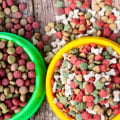
The bond between dogs and their owners is profound, yet recent studies have raised serious concerns about the impact of dog food on our furry companions' health. As pet parents, we often trust that the food we provide is safe and nutritious, but alarming evidence suggests that certain brands may be linked to severe health issues, including heart disease and even a mysterious and contagious dog virus. This connection has prompted veterinarians and pet nutritionists to delve deeper into the ingredients and formulations of popular dog foods, revealing a troubling trend that could affect countless dogs across the nation.One of the most concerning findings is the association between specific diets and an increase in cases of dilated cardiomyopathy (DCM), a serious heart condition that can lead to congestive heart failure or sudden cardiac death. While DCM has traditionally been linked to certain breeds, the rise in cases among dogs with no genetic predisposition has led experts to scrutinize the role of diet. on our furry companions' health. As pet parents, we often trust that the food we provide is safe and nutritious, but alarming evidence suggests that certain brands may be linked to severe health issues, including heart disease and even a mysterious and contagious dog virus. This connection has prompted veterinarians and pet nutritionists to delve deeper into the ingredients and formulations of popular dog foods, revealing a troubling trend that could affect countless dogs across the nation.One of the most concerning findings is the association between specific diets and an increase in cases of dilated cardiomyopathy (DCM), a serious heart condition that can lead to congestive heart failure or sudden cardiac death. While DCM has traditionally been linked to certain breeds, the rise in cases among dogs with no genetic predisposition has led experts to scrutinize the role of diet.
Many suspect that grain-free diets, which often rely heavily on peas, lentils, and other legumes as primary protein sources, may be contributing to this alarming trend.As we explore the landscape of best dog food options available today, it becomes crucial to understand not only what goes into these products but also how they can impact our pets' overall well-being. Ingredients such as low-quality fillers, artificial additives, and unidentified meat sources can pose significant risks. Moreover, the potential for recalls due to contamination or mislabeling adds another layer of concern for conscientious pet owners.This section aims to shed light on the intricate relationship between dog food health risks and our pets' quality of life. By examining specific brands and their ingredient lists, we can better equip ourselves with the knowledge needed to make informed decisions about our dogs' diets.
As we navigate this complex issue, it is essential to prioritize our furry friends' health and well-being above all else.
Common Ingredients in Dog Food That May Be Harmful
When selecting the best dog food for your furry friend, it’s crucial to be aware of the common ingredients that may pose health risks. Many commercial dog foods contain harmful additives, low-quality proteins, and fillers that can negatively impact your dog's health over time.Artificial Additives
- Preservatives: Many dog foods use artificial preservatives like BHA, BHT, and ethoxyquin to extend shelf life. These chemicals have been linked to various health issues, including cancer and liver damage.
- Coloring Agents: Artificial colors are often added to make the food visually appealing. However, these additives serve no nutritional purpose and can cause allergic reactions in some dogs.
- Flavor Enhancers: Ingredients like propylene glycol are used to enhance flavor but can lead to gastrointestinal issues and other health concerns.
Low-Quality Proteins
- Meat By-Products: These are often low-quality protein sources that can include parts of animals not typically consumed by humans.
They may lack essential nutrients and can vary greatly in quality.
- Unnamed Animal Proteins: Ingredients labeled simply as "meat" or "animal meal" do not specify the source, making it difficult to assess their quality and safety.
Fillers
- Corn and Soy: Common fillers like corn gluten meal and soy protein isolate provide minimal nutritional value and can lead to allergies or sensitivities in some dogs.
- Wheat Products: Wheat is another filler that can cause digestive issues and is often linked to food allergies in dogs.
Brands Under Scrutiny: Which Dog Foods to Avoid
As pet owners, ensuring the health and well-being of our furry companions is paramount. However, not all dog food brands prioritize quality and safety, leading to potential health risks for our pets.Below, we delve into specific dog food brands that have come under scrutiny due to health concerns, recalls, and negative feedback from veterinarians.
- Beneful : This brand has faced criticism for its ingredient quality. While it includes some natural meats, the presence of standard products and vegetable proteins raises concerns about its overall nutritional value. Many veterinarians suggest that there are better options available that provide a more balanced diet for dogs.
- Diamond Pet Foods : Known for multiple recalls over the years, including instances of salmonella contamination, Diamond Pet Foods has raised red flags among pet owners. The frequency of these recalls suggests a lack of stringent quality control measures, making it a brand to approach with caution.
- Salsa Train : This dog food brand has been criticized for lacking essential nutritional elements necessary for healthy growth in dogs.
The absence of key vitamins and minerals can lead to long-term health issues, making it advisable to avoid this brand altogether.
- Twin Pet : This plant-based dry dog food relies on an unspecified source of animal protein, which can be problematic for dogs with specific dietary needs or allergies. The lack of transparency regarding ingredient sourcing can pose risks to your pet's health.
- Nutro Natural Choice : While Nutro claims to offer whole grains for digestive health, some reviews indicate that the quality may not meet the expectations set by the brand's marketing. It's essential to scrutinize the ingredient list and consider alternatives that provide clearer benefits.
Consulting with your veterinarian can also provide valuable insights into which brands are best suited for your dog's specific needs.
The Role of Diet in Canine Heart Disease
The connection between diet and canine heart disease has become a focal point for veterinarians and pet owners alike. Recent studies have indicated that certain dog foods may contribute to the development of heart conditions, particularly dilated cardiomyopathy (DCM). This condition affects the heart's ability to pump blood effectively, leading to serious health issues.One of the critical nutrients in this discussion is taurine , an amino acid that plays a vital role in maintaining heart health. Dogs typically synthesize taurine from other amino acids, but some breeds, particularly those predisposed to DCM, may require additional dietary sources.A deficiency in taurine can lead to weakened heart function, making it essential for dog owners to consider the taurine content in their pet's food.In addition to taurine, other nutrients are crucial for supporting canine heart health:
- Omega-3 Fatty Acids: Found in fish oil and flaxseed, these fatty acids help reduce inflammation and improve overall cardiovascular health.
- Antioxidants: Vitamins E and C, along with selenium, can protect the heart from oxidative stress and support a healthy immune system.
- Fiber: A diet rich in fiber can help maintain a healthy weight, which is essential for reducing the risk of heart disease.
- Quality Protein Sources: High-quality animal proteins provide essential amino acids necessary for muscle maintenance and overall health.
By prioritizing a balanced diet rich in essential nutrients, you can significantly impact your furry friend's heart health and overall well-being.
Raw Diet vs. Kibble: What’s Best for Your Dog?
When it comes to choosing the best diet for your dog, the debate between raw diets and kibble is a hot topic among pet owners and veterinarians alike. Each option has its own set of advantages and disadvantages, making it essential to understand what might work best for your furry friend.Benefits of a Raw Diet
A raw diet typically consists of uncooked meat, bones, fruits, and vegetables. Proponents of this diet argue that it closely resembles what dogs would eat in the wild, potentially leading to several health benefits:- Improved Digestion: Many dogs thrive on raw diets due to the absence of fillers and artificial ingredients found in some commercial kibble.
This can lead to better nutrient absorption and less digestive upset.
- Healthier Coat: Raw diets are often rich in omega fatty acids, which can enhance the shine and health of your dog's coat.
- Increased Energy Levels: Owners frequently report that their dogs exhibit higher energy levels and improved overall vitality when switched to a raw diet.
- Weight Management: Raw diets can help maintain a healthy weight as they are often lower in carbohydrates compared to kibble.
Drawbacks of a Raw Diet
Despite its benefits, a raw diet is not without its challenges:- Risk of Bacterial Contamination: Raw meat can harbor harmful bacteria such as Salmonella or E. coli, posing risks not only to pets but also to humans handling the food.
- Nutritional Imbalance: Formulating a balanced raw diet requires careful planning. Without proper knowledge, you may inadvertently create deficiencies or excesses in certain nutrients.
- Cost and Convenience: Raw diets can be more expensive and time-consuming to prepare compared to simply pouring kibble into a bowl.
Kibble: The Convenient Option
Kibble is a popular choice for many dog owners due to its convenience and long shelf life. Here are some reasons why kibble might be considered:- Ease of Use: Kibble is ready-to-serve, making it easy for busy pet owners to feed their dogs without extensive preparation.
- Nutritional Formulation: Many high-quality kibble brands are formulated by veterinarians and pet nutritionists, ensuring that they meet the nutritional needs of dogs at various life stages.
- Cost-Effective: Kibble is generally more affordable than raw diets, making it accessible for a wider range of pet owners.
The Downsides of Kibble
However, kibble also has its drawbacks that should be considered:- Additives and Fillers: Some kibble brands contain artificial preservatives, colors, and fillers that may not be beneficial for your dog's health.
- Digestive Issues: Dogs with sensitive stomachs may struggle with kibble that contains grains or low-quality ingredients.
Consulting with your veterinarian can help you make an informed decision about the best dog food options for your furry companion.
How to Choose the Best Dog Food for Your Pet
Choosing the best dog food for your furry friend is crucial for their overall health and well-being. With so many options available, it can be overwhelming to determine which food will provide the necessary nutrients your dog needs. Here are some practical tips to help you make an informed decision.Understand Your Dog's Nutritional Needs
Every dog is unique, and their dietary requirements can vary based on factors such as age, breed, size, and activity level. Puppies, for instance, require a diet rich in protein and calories to support their growth, while senior dogs may benefit from lower-calorie options that are easier to digest.Consult with your veterinarian to assess your dog's specific needs and get recommendations tailored to their health status.
Read the Ingredient List
The ingredient list is one of the most important aspects of any dog food. Look for high-quality sources of protein, such as real meat or fish, listed as the first ingredient. Avoid foods that contain vague terms like "meat by-products" or "animal meal," as these can indicate lower-quality ingredients. Additionally, steer clear of artificial preservatives, colors, and flavors.Check for AAFCO Approval
The Association of American Feed Control Officials (AAFCO) sets nutritional standards for pet foods.Look for a statement on the packaging indicating that the food meets AAFCO standards for your dog's life stage. This ensures that the food has undergone testing and meets minimum nutritional requirements.
Consider Your Dog's Health Conditions
If your dog has specific health issues such as allergies, diabetes, or kidney disease, you may need to choose a specialized diet. Many brands offer formulas designed for sensitive stomachs or specific health concerns. Always consult with your veterinarian before making any significant changes to your dog's diet.Evaluate Brand Reputation
Research the brand's history and reputation in the pet food industry.Look for companies that prioritize quality control and have a track record of safety. Reading customer reviews and checking for any recalls can also provide insight into the reliability of a brand.
Trial and Observation
Once you've selected a dog food, monitor your pet's response to it. Look for signs of improved energy levels, healthy skin and coat, and regular digestion. If you notice any adverse reactions such as vomiting or diarrhea, consult your veterinarian immediately.By following these guidelines, you can confidently choose a healthy dog food option that supports your pet's health and happiness.Frequently Asked Questions About Dog Food Safety
As a responsible pet owner, ensuring the safety and nutritional quality of your dog's food is paramount.Here are some frequently asked questions that can help clarify common concerns regarding dog food safety and best practices for feeding your furry friend.
What should I look for in safe dog food?
When selecting dog food, consider the following:- Ingredient Quality: Look for high-quality protein sources, such as real meat or fish, listed as the first ingredient. Avoid foods with vague terms like "meat by-products" or "animal digest."
- Brand Reputation: Research brands with a history of safety and transparency. Brands that have had multiple recalls may not be the best choice.
- Nutritional Balance: Ensure the food meets AAFCO (Association of American Feed Control Officials) standards for complete and balanced nutrition.
- Allergen Awareness: If your dog has known allergies, carefully read labels to avoid harmful ingredients.
How can I tell if my dog food is safe?
To assess the safety of your dog food:- Check for Recalls: Regularly check the FDA website or pet food recall databases to stay informed about any recalls related to your brand.
- Inspect Packaging: Ensure that the packaging is intact and free from damage. Look for expiration dates and batch numbers.
- Monitor Your Dog's Health: Keep an eye on your dog's health after switching foods.
Symptoms like vomiting, diarrhea, or lethargy may indicate a problem with the food.
What are some best practices for feeding my dog?
To promote optimal health through diet, consider these best practices:- Portion Control: Follow feeding guidelines based on your dog's weight and activity level to prevent obesity.
- Regular Feeding Schedule: Establish a consistent feeding routine to help regulate digestion and metabolism.
- Hydration: Always provide fresh water alongside meals to keep your dog hydrated.
- Avoid Table Scraps: Resist the temptation to feed your dog human food, as many common ingredients can be harmful.
Conclusion: Protecting Your Furry Friends Through Informed Choices
As we conclude our exploration into the troubling link between certain dog foods and health issues in our beloved pets, it becomes increasingly clear that making informed choices is paramount. The health and well-being of our furry friends depend significantly on the quality of the food we provide them. With numerous brands on the market, not all dog foods are created equal, and some may pose serious risks to your dog's health.Throughout this article, we have highlighted several key factors to consider when selecting the best dog food for your pet:- Ingredient Quality: Always scrutinize the ingredient list. Look for high-quality protein sources and avoid foods with vague terms like "meat by-products" or "animal digest."
- Brand Reputation: Research the brand's history regarding recalls and safety.
Brands with a track record of multiple recalls may indicate potential risks.
- Nutritional Balance: Ensure that the food provides a balanced diet, including essential vitamins and minerals necessary for your dog's growth and overall health.
- Allergen Awareness: Be mindful of common allergens that could affect your dog, especially if they have a sensitive stomach or known food allergies.
- Consult Your Veterinarian: Always discuss dietary changes with your vet, who can provide personalized recommendations based on your dog's specific needs.
Remember, their health is in your hands—make every meal count!.