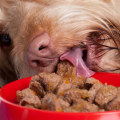
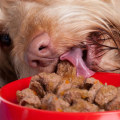
Choosing the right dog food is one of the most critical decisions a pet owner can make. The food you provide not only affects your dog's physical health but also influences their behavior, energy levels, and overall quality of life. With so many options available on the market, it can be overwhelming to determine which food is truly the best for your furry friend. This is where understanding the importance of dog food becomes essential.A well-balanced diet tailored to your dog's specific needs can lead to a longer, healthier life.
Dogs, like humans, require a variety of nutrients to thrive, including proteins, fats, carbohydrates, vitamins, and minerals. The right combination of these elements supports their immune system, promotes healthy skin and coat, and aids in digestion. Conversely, poor nutrition can lead to a host of health issues such as obesity, diabetes, and even behavioral problems.Veterinarians play a crucial role in guiding pet owners toward the best dog food options. Their recommendations are based on extensive training and experience in animal health and nutrition.
When selecting dog food, it's important to consider factors such as your dog's age, breed, size, and any specific health concerns they may have. For instance, puppies have different nutritional requirements compared to senior dogs. Additionally, certain breeds may be predisposed to specific health issues that can be mitigated through proper diet.In this article, we will delve deeper into the various dog food options available and highlight the brands that veterinarians commonly recommend. By understanding the significance of choosing the right dog food and following expert advice, you can ensure that your beloved pet receives the nutrition they need to lead a happy and healthy life.
What Makes Dog Food 'The Best'?
When it comes to determining what makes dog food the best choice for your furry friend, several key criteria come into play.Understanding these factors can help pet owners make informed decisions that promote their dog's health and well-being.
Nutritional Content
The first and foremost criterion for high-quality dog food is its nutritional content. A balanced diet for dogs should include:- Proteins: Essential for muscle development and overall health, proteins should come from high-quality sources such as meat, fish, or eggs.
- Fats: Healthy fats provide energy and support skin and coat health. Look for sources like chicken fat or fish oil.
- Carbohydrates: While dogs are primarily carnivorous, carbohydrates can provide energy. Whole grains like brown rice or oats are preferable to fillers like corn or wheat.
- Vitamins and Minerals: Essential for various bodily functions, these micronutrients should be included in the food to ensure a well-rounded diet.
Ingredient Sourcing
The quality of ingredients is another critical factor.High-quality dog foods often use whole, recognizable ingredients rather than by-products or fillers. When evaluating a dog food brand, consider the following:
- Transparency: Brands that disclose their ingredient sourcing practices tend to be more trustworthy. Look for foods that specify where their meat and produce come from.
- Whole Ingredients: Foods that list whole meats (like chicken or beef) as the first ingredient are generally better than those that list meat meals or by-products.
- Avoiding Artificial Additives: The best dog foods steer clear of artificial colors, flavors, and preservatives, opting instead for natural alternatives.
Regulatory Standards
Lastly, regulatory standards play a significant role in defining quality dog food. In the United States, the Association of American Feed Control Officials (AAFCO) sets guidelines that ensure pet foods meet minimum nutritional requirements.When selecting dog food, look for:
- AAFCO Statement: A label indicating that the food meets AAFCO standards can provide assurance of its nutritional adequacy.
- Quality Control Measures: Brands that adhere to strict quality control measures during production are more likely to produce safe and effective products.
Veterinarian-Recommended Dog Food Brands
When it comes to selecting the best dog food, many pet owners turn to their veterinarians for guidance. Veterinarians often recommend specific brands based on their nutritional value, ingredient quality, and the health needs of dogs. Here are some of the top dog food brands that veterinarians frequently endorse:- Royal Canin : This brand is a favorite among many veterinarians due to its extensive research and development in pet nutrition. Royal Canin offers breed-specific formulas that cater to the unique dietary needs of different dog breeds, ensuring that each dog receives tailored nutrition.
- Hill's Science Diet : Known for its scientifically formulated recipes, Hill's Science Diet is often recommended for dogs with specific health issues such as obesity, kidney disease, or allergies.
The brand focuses on providing balanced nutrition that supports overall health and well-being.
- Purina Pro Plan : This brand is recognized for its high-quality ingredients and comprehensive nutritional profiles. Purina Pro Plan offers a variety of formulas designed for different life stages and dietary needs, making it a versatile choice for many dog owners.
- Merrick : For those seeking limited ingredient options, Merrick provides high-quality dog food made with fewer ingredients while still delivering complete nutrition. This is particularly beneficial for dogs with food sensitivities or allergies.
- The Honest Kitchen : This brand specializes in human-grade, dehydrated dog food that retains essential nutrients. The Honest Kitchen is ideal for pet owners who prefer a more natural approach to feeding their dogs without compromising on quality.
Factors such as age, breed, size, and any existing health conditions should be considered when selecting a food brand. Additionally, consulting with your veterinarian can provide personalized recommendations based on your dog's unique requirements.In summary, while there are numerous dog food brands available on the market, those recommended by veterinarians typically stand out due to their commitment to quality and nutrition. By choosing one of these trusted brands, you can help ensure that your furry friend receives the best possible diet for a healthy and happy life.
Special Dietary Needs: Tailoring Dog Food to Your Pet
When it comes to selecting the best dog food for your furry friend, understanding their specific dietary needs is crucial. Many dogs suffer from allergies or sensitivities that can affect their overall health and well-being.Therefore, choosing a diet tailored to these special requirements can make a significant difference.
Identifying Special Dietary Needs
Before making any changes to your dog's diet, it's essential to identify any potential food allergies or sensitivities. Common signs that your dog may have dietary issues include:- Itchy skin or excessive scratching
- Gastrointestinal problems such as vomiting or diarrhea
- Ear infections or chronic ear issues
- Unexplained weight loss or gain
Limited Ingredient Dog Food
For dogs with food sensitivities, limited ingredient dog food can be an excellent option. These diets typically contain fewer ingredients, making it easier to identify and avoid allergens.A limited ingredient diet usually includes:
- A single source of protein (such as chicken, lamb, or fish)
- A single source of carbohydrates (like sweet potatoes or peas)
- Essential vitamins and minerals for balanced nutrition
Specialized Formulas for Allergies
If your dog has been diagnosed with specific allergies, you may need to consider specialized formulas designed to address these issues. Some options include:- Hypoallergenic diets: These are formulated to minimize the risk of allergic reactions and often use hydrolyzed proteins that are less likely to trigger an immune response.
- Grain-free diets: While not all dogs are sensitive to grains, some may benefit from a grain-free diet that replaces traditional grains with alternative carbohydrates.
- Prescription diets: In some cases, your veterinarian may recommend a prescription diet specifically designed for dogs with allergies or sensitivities.
The Role of Ingredients in Dog Food Quality
When selecting the best dog food for your furry friend, understanding the ingredients listed on the packaging is crucial.The quality of these ingredients can significantly impact your dog's health, energy levels, and overall well-being. Therefore, being able to read and interpret dog food labels is an essential skill for any responsible pet owner.
Understanding Dog Food Labels
Dog food labels can often be confusing, filled with technical jargon and marketing terms. However, by breaking down the components, you can make more informed choices. Here are some key elements to look for:
- Ingredient List: Ingredients are listed in descending order by weight.
This means that the first few ingredients are the most significant components of the food. Look for high-quality protein sources like chicken, beef, or fish as the first ingredient.
- Meat Meal: While fresh meat is a great source of protein, meat meal (which is rendered meat) can also be a good option as it contains concentrated protein. Ensure it comes from a named source (e.g., "chicken meal" instead of just "meat meal").
- Whole Grains vs. Grain-Free: Some dogs thrive on whole grains like brown rice or oats, while others may have sensitivities.
If your dog has grain allergies, look for grain-free options that use alternative carbohydrates like sweet potatoes or peas.
- Additives and Preservatives: Avoid foods with artificial colors, flavors, or preservatives. Instead, opt for natural preservatives like tocopherols (vitamin E) or ascorbic acid (vitamin C).
Beneficial Components
In addition to high-quality proteins and carbohydrates, look for beneficial components that enhance your dog's health:
- Omega Fatty Acids: Ingredients like fish oil or flaxseed provide essential fatty acids that promote healthy skin and a shiny coat.
- Probiotics: These beneficial bacteria support digestive health and can improve nutrient absorption.
- Vitamins and Minerals: A balanced dog food should include a variety of vitamins and minerals to support overall health.
Avoiding Harmful Additives
Just as important as knowing what to look for is understanding what to avoid. Some common harmful additives include:
- BHA/BHT: These artificial preservatives have been linked to health issues in pets.
- Propylene Glycol: Often used in moist dog foods, this substance can be harmful in large quantities.
- Sodium Nitrite: Commonly found in processed meats, this additive can pose health risks over time.
Common Misconceptions About Dog Food
When it comes to dog food, many pet owners are often misled by common myths and misconceptions that can affect their dogs' health.Understanding the truth behind these beliefs is crucial for providing the best nutrition for your furry friend.
Myth 1: Dogs are Carnivores and Should Only Eat Meat
While dogs are indeed descendants of carnivorous ancestors, they are classified as omnivores. This means they can thrive on a balanced diet that includes both animal proteins and plant-based ingredients. In fact, many high-quality dog foods incorporate grains, vegetables, and fruits to provide essential nutrients and fiber.
Myth 2: Grain-Free Diets Are Always Better
The rise of grain-free diets has led many to believe that grains are harmful to dogs. However, most dogs can digest grains without any issues.
In some cases, grain-free diets may even lead to nutritional deficiencies if not properly formulated. It's essential to consult with a veterinarian before making significant changes to your dog's diet.
Myth 3: All Human Food is Bad for Dogs
While certain human foods can be toxic to dogs (like chocolate and grapes), many others can be beneficial in moderation. Foods such as carrots, apples, and plain cooked chicken can serve as healthy treats or meal supplements. Always check with your vet before introducing new foods into your dog's diet.
Myth 4: Dogs Can Eat Any Leftovers
Feeding your dog table scraps may seem harmless, but many human foods are high in fat, salt, or spices that can upset a dog's stomach or lead to obesity.
It's important to ensure that any leftovers you share are safe and healthy for canine consumption.
Myth 5: All Dog Foods Are Created Equal
The market is flooded with various dog food brands, but not all of them meet the same quality standards. It's vital to choose a brand that uses high-quality ingredients and adheres to strict safety regulations. Look for products that have been tested by veterinarians and have a good reputation in the pet community.By debunking these common misconceptions about pet nutrition, dog owners can make informed decisions about their pets' diets. Always prioritize quality ingredients and consult with a veterinarian to ensure your dog receives the best possible nutrition tailored to their specific needs.
Consulting with Your Veterinarian: A Personalized Approach to Dog Nutrition
When it comes to selecting the best dog food for your furry friend, one of the most crucial steps is consulting with your veterinarian.Each dog is unique, with individual health needs, dietary restrictions, and lifestyle factors that can significantly influence their nutritional requirements. A veterinarian can provide tailored advice that takes into account your dog's age, breed, weight, activity level, and any existing health conditions.
Understanding Your Dog's Unique Needs
Veterinarians are trained to assess the overall health of your pet and can recommend specific diets that cater to their unique needs. For instance, puppies require different nutrients compared to adult dogs or senior dogs. A vet can help you understand:
- The right balance of proteins, fats, and carbohydrates for your dog's life stage.
- Any food allergies or sensitivities that may require a specialized diet.
- The importance of certain vitamins and minerals that support your dog's health.
Personalized Nutrition Plans
Many veterinarians offer personalized nutrition plans that are designed specifically for your dog.
This may include:
- Prescription Diets: For dogs with specific health issues such as obesity, diabetes, or kidney disease, vets may recommend prescription diets that are formulated to manage these conditions.
- Homemade Diets: If you're interested in preparing homemade meals for your dog, a vet can guide you on how to create balanced meals that meet all of your dog's nutritional needs.
- Supplement Recommendations: In some cases, your vet may suggest supplements to enhance your dog's diet and address any deficiencies.
The Importance of Regular Check-Ups
Regular veterinary check-ups are essential not only for monitoring your dog's health but also for adjusting their diet as needed. As dogs age or if their activity levels change, their dietary needs may also shift. Keeping an open line of communication with your veterinarian ensures that you can make informed decisions about your dog's nutrition throughout their life.In conclusion, while there are many commercial dog foods available on the market claiming to be the best, the most effective approach is to consult with a veterinarian. Their expertise will help you navigate the myriad of options and find the most suitable diet tailored specifically for your beloved pet.
FAQs About Dog Food Recommendations from Vets
When it comes to choosing the best dog food, many pet owners have questions about what veterinarians recommend.Here are some frequently asked questions that can help clarify common concerns regarding dog nutrition and vet recommendations.
What factors do vets consider when recommending dog food?
Veterinarians take several factors into account when suggesting dog food, including:- Age and Life Stage: Puppies, adults, and senior dogs have different nutritional needs.
- Breed Size: Small, medium, and large breeds may require different kibble sizes and nutrient ratios.
- Health Conditions: Dogs with specific health issues, such as allergies or diabetes, may need specialized diets.
- Ingredient Quality: Vets often prefer brands that use high-quality ingredients without fillers or artificial additives.
Are there specific brands that most vets recommend?
While individual preferences may vary, several brands consistently receive high marks from veterinarians. Some of the most recommended include:- Royal Canin: Known for its breed-specific formulas and tailored nutrition.
- Hill's Science Diet: Often recommended for its scientifically formulated recipes that cater to various health needs.
- Merrick: Offers limited ingredient diets that are great for dogs with sensitivities.
- The Honest Kitchen: Provides human-grade, whole food options that are easy to prepare.
How can I determine if a dog food is right for my pet?
The best way to determine if a particular dog food is suitable for your pet is to consult with your veterinarian. They can assess your dog's specific needs based on their health, age, and lifestyle. Additionally, look for foods that meet the AAFCO (Association of American Feed Control Officials) standards, which ensure the food provides complete and balanced nutrition.Is it necessary to change my dog's food frequently?
Generally, it is not necessary to frequently change your dog's food unless advised by a veterinarian.Sudden changes in diet can lead to digestive upset. If you do need to switch foods, do so gradually over a week or two to allow your dog's digestive system to adjust.By understanding these common questions and concerns about dog food recommendations from vets, you can make informed decisions that contribute to your dog's overall health and well-being.
Conclusion: Making Informed Choices for Your Dog's Diet
In conclusion, selecting the best dog food for your furry friend is a decision that should not be taken lightly. Throughout this article, we have explored various aspects of canine nutrition, emphasizing the importance of consulting with veterinarians to make informed choices. The recommendations provided by veterinary professionals are based on extensive research and experience, ensuring that your dog receives the nutrients necessary for optimal health.As we have seen, different dogs have unique dietary needs influenced by factors such as age, breed, size, and health conditions.For instance, puppies require a diet rich in protein and calories to support their rapid growth, while senior dogs may benefit from lower-calorie options that promote joint health. Understanding these distinctions is crucial when evaluating dog food options.Moreover, the quality of ingredients plays a significant role in determining the overall health benefits of dog food. Brands like Royal Canin and Merrick Limited Ingredient are often recommended by veterinarians due to their commitment to high-quality ingredients and balanced nutrition. It is essential to read labels carefully and choose foods that meet the nutritional standards set by organizations such as the Association of American Feed Control Officials (AAFCO).Additionally, while many dog owners may prefer dry kibble for convenience, incorporating wet food or fresh options can enhance palatability and hydration.
Always consider your dog's preferences and any specific dietary restrictions they may have.Ultimately, the journey to finding the best dog food involves a combination of research, professional guidance, and understanding your pet's individual needs. Regular consultations with your veterinarian can help you adjust your dog's diet as they age or if their health status changes. By prioritizing informed choices in your dog's nutrition, you are investing in their long-term health and happiness.