Understanding your dog's nutritional needs is essential for ensuring their overall health and well-being. Just like humans, dogs require a balanced diet tailored to their specific requirements, which can vary significantly based on factors such as age, breed, size, and health status. For instance, a growing puppy has different nutritional demands compared to an adult dog or a senior pet. Puppies need higher levels of protein and calories to support their rapid growth and development, while older dogs may require diets that are lower in calories but higher in fiber to maintain a healthy weight and digestive health.Moreover, the breed of your dog plays a crucial role in determining their dietary needs.
Large breeds, such as Great Danes or Saint Bernards, are prone to certain health issues like hip dysplasia and may benefit from specialized diets that promote joint health. On the other hand, small breeds like Chihuahuas or Dachshunds may require food that is higher in fat and protein to sustain their energy levels. Understanding these nuances is vital when searching for the best dog food options available.Additionally, any existing health conditions can further influence your dog's dietary requirements. Dogs with allergies may need grain-free or limited-ingredient diets, while those with diabetes might benefit from low-glycemic foods that help regulate blood sugar levels.
Consulting with a veterinarian or a veterinary nutritionist can provide invaluable insights into your dog's specific needs and help you make informed decisions about their diet.In summary, choosing the right dog food is not just about picking a popular brand; it involves understanding your dog's unique nutritional needs. By considering factors such as age, breed, and health status, you can ensure that your furry friend receives the nutrients they need to thrive. This foundational knowledge will guide you in selecting the healthiest options available on the market.
Key Ingredients to Look for in Healthy Dog Food
When selecting the best dog food for your furry friend, understanding the key ingredients that contribute to a healthy diet is crucial. A well-balanced dog food should contain a variety of essential nutrients, including proteins, fats, carbohydrates, vitamins, and minerals.Here’s a closer look at what to prioritize:
- Proteins: Proteins are the building blocks of your dog's body, essential for growth, maintenance, and overall health. Look for high-quality protein sources such as chicken, beef, lamb, or fish listed as the first ingredient. These animal-based proteins provide amino acids that are vital for muscle development and immune function.
- Fats: Healthy fats are important for energy and support skin and coat health. Omega-3 and Omega-6 fatty acids are particularly beneficial.
Ingredients like fish oil or flaxseed can enhance your dog's coat shine and reduce inflammation.
- Carbohydrates: While dogs are primarily carnivorous, carbohydrates can provide a valuable source of energy. Opt for whole grains like brown rice or oats, as well as vegetables like sweet potatoes and peas. These ingredients not only supply energy but also offer fiber that aids in digestion.
- Vitamins and Minerals: A complete dog food should include a range of vitamins and minerals to support various bodily functions. Look for foods fortified with essential nutrients such as Vitamin E, Vitamin A, calcium, and phosphorus.
These components help maintain strong bones, a healthy immune system, and overall vitality.
Types of Dog Food: Dry vs.
Wet vs. RawWhen it comes to choosing the best dog food for your furry friend, understanding the different types available is crucial. The three primary categories of dog food are dry, wet, and raw. Each type has its own set of advantages and disadvantages, making it essential to consider your dog's specific needs and lifestyle.
Dry Dog Food
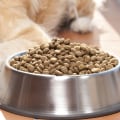
Dry dog food, often referred to as kibble, is one of the most popular choices among pet owners.It is convenient, easy to store, and typically more affordable than other types of dog food. Here are some key benefits:
- Dental Health: The crunchy texture of kibble can help reduce plaque and tartar buildup on your dog's teeth, promoting better oral health.
- Long Shelf Life: Dry food can be stored for extended periods without refrigeration, making it a practical option for busy pet owners.
- Portion Control: Kibble is easy to measure, allowing for precise portion control to help maintain your dog's ideal weight.
Wet Dog Food
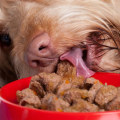
Wet dog food comes in cans or pouches and is often more appealing to dogs due to its aroma and texture. Here are some advantages of wet dog food:- Hydration: Wet food contains a higher moisture content, which can help keep your dog hydrated, especially if they don't drink enough water.
- Taste and Variety: Many dogs find wet food more flavorful and enjoyable, which can be beneficial for picky eaters or those with reduced appetites.
- Easier to Chew: Wet food is softer and easier to chew, making it a great option for puppies or senior dogs with dental problems.
Additionally, it may not provide the same dental benefits as kibble.
Raw Dog Food
The raw dog food diet has gained popularity among pet owners who prefer a more natural approach to feeding their dogs. This diet typically consists of raw meat, bones, fruits, and vegetables. Some benefits include:- Nutritional Value: Raw diets often contain high-quality ingredients that are minimally processed, potentially offering superior nutrition.
- Improved Digestion: Many proponents claim that raw diets can lead to better digestion and healthier stools due to the absence of fillers and artificial additives.
- Allergy Management: A raw diet allows for greater control over ingredients, which can help identify and eliminate allergens in your dog's diet.
Consulting with your veterinarian can provide valuable insights into which option may be best suited for your beloved pet.
Evaluating Dog Food Brands: What to Consider
Choosing the right dog food brand is crucial for your pet's health and well-being. With so many options available, it can be overwhelming to determine which brands truly offer the best dog food. Here are some key factors to consider when evaluating dog food brands:- Ingredient Quality: Look for brands that prioritize high-quality ingredients. The first few ingredients listed should be whole meats or meat meals, as these provide essential proteins.
Avoid foods that list fillers like corn, soy, or by-products as primary ingredients.
- Nutritional Adequacy: Ensure that the dog food meets the nutritional standards set by the Association of American Feed Control Officials (AAFCO). This certification indicates that the food provides a complete and balanced diet for your dog’s life stage.
- Brand Reputation: Research the brand’s history and reputation. Brands with a long-standing commitment to quality and transparency are often more reliable. Look for reviews from other pet owners and consult your veterinarian for recommendations.
- Transparency: A reputable brand will provide clear information about their sourcing and manufacturing processes.
They should be willing to share details about where their ingredients come from and how their food is made.
- Variety of Formulas: Consider brands that offer a range of formulas tailored to different breeds, sizes, and life stages. This ensures that you can find a suitable option as your dog grows or if their dietary needs change.
- Orijen: Known for its high protein content and use of fresh, regional ingredients.
- Blue Buffalo: Offers a variety of formulas with real meat as the first ingredient and no artificial preservatives.
- Wellness: Focuses on natural ingredients and provides options for dogs with specific dietary needs.
- Canidae: Known for its holistic approach, Canidae offers grain-free options and recipes tailored to different life stages.
Common Misconceptions About Dog Food
When it comes to selecting the best dog food, many pet owners find themselves navigating a maze of myths and misconceptions. Understanding these common fallacies is crucial for making informed choices that benefit your furry friend.Myth 1: Expensive Dog Food is Always Better
One prevalent belief is that higher-priced dog foods are inherently superior.
While premium brands often use high-quality ingredients, price alone does not guarantee nutritional value. Many affordable brands offer balanced diets that meet AAFCO standards without breaking the bank. It's essential to read labels and understand ingredient quality rather than relying solely on price as an indicator of quality.
Myth 2: All Natural Ingredients are Safe
Another misconception is that all-natural ingredients are automatically safe for dogs. While natural ingredients can be beneficial, they are not always free from risks.
For instance, certain natural foods like grapes and onions are toxic to dogs, regardless of their organic status. Always research specific ingredients and consult with your veterinarian to ensure they are safe for your pet.
Myth 3: Grain-Free Diets are Healthier
The trend towards grain-free diets has led many to believe that grains are harmful to dogs. However, grains can be a valuable source of nutrients and energy for many dogs. Unless your dog has a specific allergy or sensitivity, there is no need to eliminate grains from their diet.
In fact, some grain-free diets have been linked to health issues such as dilated cardiomyopathy (DCM) in certain breeds.
Myth 4: Dogs Can Thrive on a Vegetarian or Vegan Diet
While some dogs may adapt to a vegetarian or vegan diet, it is not suitable for all canines. Dogs are omnivores, and their nutritional needs often require animal-based proteins for optimal health. If considering a plant-based diet, it’s vital to work with a veterinary nutritionist to ensure all essential nutrients are included.
Myth 5: Homemade Dog Food is Always Healthier
Many pet owners believe that preparing homemade dog food guarantees better nutrition. However, creating a balanced homemade diet can be challenging and may lead to nutritional deficiencies if not done correctly.
Consulting with a veterinarian or a pet nutritionist is crucial before making the switch to homemade meals.By debunking these myths, pet owners can make more informed decisions about their dog's diet, ensuring they choose the best dog food tailored to their pet's specific needs.
Special Dietary Needs: Puppies, Seniors, and Health Issues
When it comes to selecting the best dog food, understanding the unique dietary needs of puppies, senior dogs, and those with specific health issues is crucial. Each life stage and condition requires tailored nutrition to ensure optimal health and well-being.Puppy Nutrition
Puppies have distinct nutritional requirements that differ significantly from adult dogs. During their growth phase, they need a diet rich in protein, fat, and essential nutrients to support their rapid development. Look for puppy food that contains:- High-quality protein sources: Ingredients like chicken, beef, or fish should be among the first listed on the label.
- Healthy fats: Omega-3 and Omega-6 fatty acids are vital for brain development and healthy skin.
- Vitamins and minerals: Calcium and phosphorus are essential for bone growth, while vitamins A, D, and E support overall health.
This ensures that your puppy receives all necessary nutrients in the right proportions.
Senior Dog Food Needs
As dogs age, their metabolism slows down, and their nutritional needs change. Senior dogs often require a diet that is lower in calories but still rich in essential nutrients. When selecting food for older dogs, consider:- Reduced fat content: This helps prevent obesity, which is common in less active senior dogs.
- Increased fiber: Fiber aids digestion and helps maintain a healthy weight.
- Joint support: Ingredients like glucosamine and chondroitin can help maintain joint health and mobility.
Special Dietary Needs for Dogs with Health Issues
Dogs with specific health issues may require specialized diets.For instance:
- Allergies or sensitivities: Limited ingredient diets can help identify and eliminate allergens.
- Diabetes: Foods with low glycemic index ingredients can help regulate blood sugar levels.
- Kidney disease: Low-protein diets may be recommended to reduce strain on the kidneys.
How to Transition Your Dog to a New Food Safely
Transitioning your dog to a new food is a crucial process that requires careful planning and execution. A sudden change in diet can lead to digestive upset, including diarrhea, vomiting, or loss of appetite.To ensure a smooth transition, follow these steps:
- Choose the Right Time: Select a period when your dog is healthy and not experiencing any stressors, such as travel or illness. This will help minimize any potential issues during the transition.
- Gradual Introduction: Start by mixing a small amount of the new food with your dog's current food. A common recommendation is to begin with 25% new food and 75% old food.
- Monitor Your Dog: Keep an eye on your dog’s reaction to the new food. Look for any signs of digestive distress, such as changes in stool consistency or behavior.
If everything seems normal, proceed to the next step.
- Increase the Ratio: After about three to five days, if your dog is adjusting well, gradually increase the proportion of new food to 50% new and 50% old food. Continue monitoring your dog during this phase.
- Continue Gradually: If your dog continues to tolerate the new food well, increase the ratio again after another three to five days to 75% new food and 25% old food.
- Complete the Transition: After about two weeks, if there are no adverse reactions, you can fully switch to the new food. At this point, your dog should be eating 100% of the new diet.
They can provide personalized recommendations based on your dog's specific health needs and dietary requirements.By following these steps and being attentive to your dog's needs, you can successfully transition them to a new food while minimizing any potential digestive issues.
FAQs About Choosing the Best Dog Food
When it comes to selecting the best dog food, many pet owners have questions that can significantly impact their dog's health and well-being. Here are some frequently asked questions that can help guide your decision-making process.What should I look for in dog food ingredients?
High-quality dog food should contain a balance of protein, fats, carbohydrates, vitamins, and minerals. Look for:- Real meat as the first ingredient, such as chicken, beef, or fish.
- Whole grains like brown rice or oats, which provide energy and fiber.
- Fruits and vegetables for essential vitamins and antioxidants.
- Avoid fillers like corn and soy, which offer little nutritional value.
How do I know if the dog food is nutritionally complete?
To ensure that the dog food meets your pet's nutritional needs, check for an AAFCO (Association of American Feed Control Officials) statement on the packaging. This indicates that the food has been formulated to meet established nutrient profiles for dogs.Is grain-free dog food better for my dog?
Grain-free diets can be beneficial for dogs with specific allergies or sensitivities.However, not all dogs require a grain-free diet. It's essential to consult with your veterinarian before making any significant changes to your dog's diet.
How often should I feed my dog?
The feeding frequency depends on your dog's age, size, and activity level:- Puppies typically require three to four meals a day.
- Adult dogs usually do well with two meals a day.
- Seniors may need adjustments based on their health status.
Can I mix wet and dry dog food?
Yes, mixing wet and dry dog food can provide variety in texture and flavor while enhancing hydration. Just ensure that the combined feeding meets your dog's overall nutritional needs without exceeding calorie limits.By addressing these common questions about dog nutrition and feeding practices, you can make informed choices that contribute to your dog's long-term health and happiness.Conclusion: Making Informed Choices for Your Dog's Health
In conclusion, selecting the best dog food for your furry friend is a crucial decision that can significantly impact their overall health and well-being. Throughout this article, we have explored various factors that contribute to a nutritious diet for dogs, emphasizing the importance of understanding your pet's specific needs based on their age, breed, and health status.One of the key takeaways is the necessity of consulting with a veterinarian or a veterinary nutritionist.These professionals can provide tailored advice that considers your dog's unique requirements, ensuring that you choose a food that supports their health at every life stage. Whether you have a playful puppy or a senior dog, the right nutrition is vital.Moreover, we discussed the significance of ingredient quality. Opting for dog foods that list high-quality proteins as the primary ingredients is essential. Ingredients such as real meat, fish, and wholesome grains should be prioritized over fillers and artificial additives.
This not only enhances your dog's energy levels but also supports their immune system and overall vitality.Additionally, it’s important to be aware of misleading marketing claims. Just because a product is marketed as premium or organic does not automatically mean it is the best choice for your dog. Always look for foods that meet the nutritional standards set by the AAFCO (Association of American Feed Control Officials) to ensure they provide complete and balanced nutrition.Lastly, remember that affordability does not equate to poor quality. Many budget-friendly brands offer excellent nutritional value without compromising on ingredients.
Brands like Pedigree and Pro Plan have been recognized for their commitment to quality while remaining accessible to pet owners.By making informed choices and prioritizing your dog's health through proper nutrition, you can help them lead a longer, happier life. Take the time to research and select the best dog food options available, keeping in mind your pet's individual needs and preferences.