German Shepherds are a remarkable breed, known for their strength, intelligence, and versatility. However, to maintain their health and vitality, it is essential to understand their unique nutritional needs. These dogs are not just pets; they are active companions that require a well-balanced diet tailored to their specific requirements. A proper diet will not only support their physical health but also enhance their mental acuity and overall well-being, helping them better resist issues like viral infections.When considering the best dog food for German Shepherds, one must focus on three primary macronutrients: German Shepherds are a remarkable breed, known for their strength, intelligence, and versatility. However, to maintain their health and vitality, it is essential to understand their unique nutritional needs. These dogs are not just pets; they are active companions that require a well-balanced diet tailored to their specific requirements. A proper diet will not only support their physical health but also enhance their mental acuity and overall well-being, helping them better resist issues like viral infections. When considering the best dog food for German Shepherds, one must focus on three primary macronutrients: protein , fat , and carbohydrates.
Protein is crucial for muscle development and repair, especially given the breed's active lifestyle. German Shepherds typically require a diet that contains at least 20-30% protein, with high-quality sources such as chicken, beef, or fish being ideal. This ensures that they receive the essential amino acids necessary for maintaining strong muscles and supporting their immune system. In addition to protein, healthy fats play a vital role in a German Shepherd's diet. Fats provide energy and help in the absorption of fat-soluble vitamins.
A diet containing around 8-15% fat is generally recommended for this breed. Look for sources of omega-3 and omega-6 fatty acids, which can promote a healthy coat and skin while also supporting cognitive function. Carbohydrates are another important component of a balanced diet. While some may argue that dogs do not need carbs, they can provide a valuable source of energy and fiber. Whole grains like brown rice or oats can be beneficial, as they offer sustained energy release and aid in digestion.
However, it is crucial to avoid fillers or low-quality grains that can lead to digestive issues.
Key Ingredients to Look for in Dry Dog Food
When selecting the best dry dog food for your German Shepherd, understanding the key ingredients is crucial. High-quality dog food should contain a balanced mix of proteins, fats, and carbohydrates to support your dog's overall health and well-being. Here are some essential ingredients to look for:- Whole Proteins: The foundation of any good dog food is high-quality protein. Look for whole meat sources such as chicken, beef, lamb, or fish listed as the first ingredient.
These proteins provide essential amino acids that are vital for muscle development and overall health.
- Healthy Fats: Fats are an important energy source and help maintain healthy skin and a shiny coat. Ingredients like chicken fat or fish oil are excellent sources of omega-3 and omega-6 fatty acids, which can also support cognitive function and joint health.
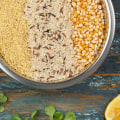
- Beneficial Carbohydrates: While dogs are primarily carnivorous, carbohydrates can provide a valuable source of energy. Look for whole grains like brown rice, barley, or oats, which offer fiber and nutrients. If your dog has grain sensitivities, consider grain-free options that use sweet potatoes or peas as carbohydrate sources.
- Fruits and Vegetables: Ingredients such as blueberries, carrots, and spinach not only add flavor but also provide antioxidants, vitamins, and minerals that contribute to your dog's immune system and overall health.
- Probiotics: Some high-quality dog foods include probiotics to promote digestive health.
These beneficial bacteria can help maintain a balanced gut flora, which is essential for nutrient absorption.
Ingredients to Avoid in Dog Food
When selecting the best dry dog food for your German Shepherd, it is crucial to be aware of certain ingredients that can be harmful to your dog's health. Understanding what to avoid can help you make informed decisions and ensure your furry friend receives the nutrition they need without unnecessary risks.1.Artificial Colors and Flavors
Many commercial dog foods contain artificial colors and flavors to enhance their appearance and taste.
These additives are often unnecessary and can lead to allergic reactions or other health issues in dogs. Ingredients like Red 40 or Yellow 5 serve no nutritional purpose and should be avoided. Instead, look for foods that use natural ingredients to provide color and flavor.
2.Unidentified Meat By-Products
Meat by-products can be a source of protein, but when they are not specified, they can be problematic. Ingredients labeled as "meat by-products" do not indicate the source of the meat, which raises concerns about quality and safety.
Always choose dog foods that clearly state the type of meat used, such as chicken meal or beef by-products, to ensure you know what your dog is consuming.
3.Fillers
Fillers like corn, wheat, and soy are often used in dog food to bulk up the product without providing significant nutritional value. These ingredients can lead to digestive issues and may not be suitable for dogs with food sensitivities. Opt for dog foods that prioritize high-quality proteins and whole grains instead of relying on fillers.
4.Preservatives
Certain preservatives, such as BHA, BHT, and ethoxyquin, are commonly found in commercial dog foods to extend shelf life. However, these chemicals have been linked to various health problems, including cancer.
Look for natural preservatives like tocopherols (vitamin E) or ascorbic acid (vitamin C) that are safer alternatives.
5.Sugar and Sweeteners
Some dog foods contain added sugars or sweeteners to make them more palatable. While dogs may enjoy the taste, these ingredients can contribute to obesity and dental issues over time. It’s best to avoid any dog food that lists sugar or sweeteners among its ingredients.By being vigilant about the ingredients in your German Shepherd's food, you can help ensure their diet is both nutritious and safe. Always consult with your veterinarian if you have questions about specific ingredients or dietary needs for your pet.
Top Brands of Dry Dog Food for German Shepherds
When it comes to selecting the best dog food for your German Shepherd, it's essential to consider brands that are specifically formulated to meet their unique nutritional needs.Below is a curated list of top dry dog food brands that have garnered positive reviews from pet owners and veterinarians alike.
- Royal Canin Breed Health Nutrition German Shepherd
This brand is often regarded as the gold standard for German Shepherds. It is specially formulated to support the breed's unique health requirements, including joint health and digestive support. The kibble shape is designed to encourage chewing, which can help with dental health. - Purina Pro Plan All Life Stages Small Bites Lamb & Rice Formula
Offering excellent value, this formula is suitable for German Shepherds of all ages. It features real lamb as the first ingredient, providing high-quality protein.The small bite size makes it easier for dogs to chew and digest, making it a popular choice among pet owners.
- ORIJEN Original Grain Free Dry Dog Food
For those looking for a premium option, ORIJEN offers a grain-free formula packed with fresh, regional ingredients. This food is rich in protein and includes a variety of meats, making it ideal for active German Shepherds who require higher energy levels. - Royal Canin Breed Health Nutrition German Shepherd Puppy
Puppies have different nutritional needs than adults, and this formula is tailored specifically for growing German Shepherds. It contains DHA from fish oil to support brain development and a blend of antioxidants to boost the immune system. - Dr. Tim's Wilderness Salmon
This grain-free option is perfect for dogs with sensitivities or allergies.Made with high-quality salmon as the primary protein source, it provides essential fatty acids that promote healthy skin and coat while also supporting overall health.
Comparative Analysis of Top Dog Foods
When it comes to selecting the best dry dog food for your German Shepherd, a comparative analysis of top products can provide valuable insights. Below, we will evaluate five highly recommended dog foods based on their ingredients, price, and overall value.- Royal Canin Breed Health Nutrition German Shepherd
- Ingredients: This formula is specifically designed for German Shepherds, featuring high-quality protein as the first ingredient.
It includes a blend of fibers and prebiotics to support digestive health.
- Price: Priced at around $70 for a 30-pound bag, it is on the higher end but offers breed-specific nutrition.
- Overall Value: Given its tailored formulation, this food is often considered the best overall choice for German Shepherds.
- Purina Pro Plan All Life Stages Small Bites Lamb Rice Formula
- Ingredients: This formula features lamb as the primary protein source, along with rice and other wholesome grains. It is designed for dogs of all ages, making it versatile.
- Price: Approximately $50 for a 35-pound bag, it offers great value for families with multiple dogs.
- Overall Value: Its affordability combined with quality ingredients makes it a strong contender for best value.
- ORIJEN Original Grain Free Dry Dog Food
- Ingredients: This premium choice boasts a high protein content with fresh, regional ingredients. It is grain-free and includes a variety of meats to meet your dog's nutritional needs.
- Price: At around $90 for a 25-pound bag, it is one of the pricier options on the market.
- Overall Value: While expensive, its high-quality ingredients justify the cost for those seeking top-tier nutrition.
- Royal Canin Breed Health Nutrition German Shepherd Puppy
- Ingredients: Formulated specifically for growing puppies, this food contains DHA from fish oil to support brain development and optimal growth.
- Price: Approximately $60 for a 30-pound bag, making it reasonably priced for puppy food.
- Overall Value: Ideal for young German Shepherds, this food provides essential nutrients during their critical growth phase.
- Dr. Wilderness Salmon
- Ingredients: This grain-free option features salmon as the primary protein source and includes fruits and vegetables for added nutrients.
- Price: Around $70 for a 24-pound bag, it is competitively priced among grain-free options.
- Overall Value: A great choice for dogs with grain sensitivities or allergies, offering quality nutrition without grains.
Each product has its unique strengths and price points, allowing you to select one that aligns with your dog's specific needs and your budget.
Feeding Guidelines for German Shepherds
Feeding your German Shepherd properly is crucial for their overall health and well-being. These dogs are known for their strength and intelligence, and their dietary needs can vary significantly based on factors such as age, weight, and activity level. Understanding these guidelines will help you provide the best nutrition for your furry friend.Age-Based Feeding Guidelines
The dietary requirements of a German Shepherd change as they grow. Here’s a breakdown of feeding recommendations based on age:- Puppies (8 weeks to 6 months): During this growth phase, German Shepherd puppies require a diet rich in protein and calories to support their rapid development.
Feed them three to four meals a day, with each meal consisting of high-quality puppy food specifically formulated for large breeds.
- Adolescents (6 months to 1 year): As your puppy transitions into adolescence, you can reduce feeding to two to three meals per day. Continue using a large-breed puppy formula until they reach about 80% of their adult weight.
- Adults (1 year and older): Adult German Shepherds should be fed two meals per day. Choose a high-quality adult dog food that lists meat as the first ingredient. The amount will depend on their weight and activity level.
How Much to Feed Your German Shepherd
The quantity of food your German Shepherd needs can vary based on their size, age, and energy levels.A general guideline is:
- Small Adult (50-70 lbs): Approximately 2 to 3 cups of dry dog food daily.
- Large Adult (70-90 lbs): About 3 to 4 cups of dry dog food daily.
- Active or Working Dogs: If your German Shepherd is highly active or works regularly, they may require additional calories. Consult with your veterinarian for specific recommendations.
Feeding Schedule
A consistent feeding schedule helps regulate your dog's digestion and energy levels. Here are some tips for establishing an effective feeding routine:- Set Regular Meal Times: Feed your dog at the same times each day to create a routine. This helps with digestion and can prevent overeating.
- Avoid Free Feeding: Leaving food out all day can lead to obesity and other health issues.
Stick to scheduled meal times instead.
- Monitor Weight: Regularly check your dog's weight and adjust their food intake as necessary. If you notice any significant changes in weight, consult your veterinarian.
Common Health Issues in German Shepherds Related to Diet
German Shepherds are a robust and intelligent breed, but they are also prone to certain health issues that can be exacerbated by poor dietary choices. Understanding these potential problems is crucial for any owner who wants to ensure their furry friend lives a long, healthy life.One of the most common health issues in German Shepherds related to diet is obesity. This breed has a tendency to gain weight if not properly managed, which can lead to a host of other health problems, including joint issues and diabetes.A diet high in calories and low in essential nutrients can contribute significantly to obesity. Therefore, it is vital to choose a dog food that provides balanced nutrition without excessive calories.Another significant concern is dysplasia , particularly hip and elbow dysplasia. This genetic condition affects the joints and can be aggravated by being overweight or consuming a diet lacking in essential fatty acids and vitamins. Foods rich in omega-3 fatty acids, such as fish oil, can help support joint health and reduce inflammation.
Gastrointestinal issues
are also prevalent among German Shepherds, often stemming from poor-quality dog food that contains fillers or artificial additives.
These ingredients can lead to digestive problems such as bloating, diarrhea, or constipation. A high-quality dry dog food with easily digestible ingredients is essential for maintaining gut health.Moreover, German Shepherds are susceptible to food allergies , which can manifest as skin irritations or gastrointestinal distress. Common allergens include grains like wheat and corn, as well as certain proteins. Opting for a grain-free formula or one that uses novel protein sources can help mitigate these issues.Lastly, nutritional deficiencies can lead to serious health complications over time.
A lack of essential vitamins and minerals can weaken the immune system, making your dog more susceptible to infections and diseases. It’s crucial to select a dog food that meets the nutritional standards set by the Association of American Feed Control Officials (AAFCO) to ensure your German Shepherd receives all necessary nutrients.In summary, being aware of these common health issues related to diet can motivate German Shepherd owners to make informed choices about their pet's nutrition. By selecting high-quality dry dog food tailored to their specific needs, you can help prevent these problems and promote overall well-being.
Consulting with Your Veterinarian About Dog Food Choices
When it comes to selecting the best dog food for your German Shepherd, consulting with your veterinarian is an essential step that should not be overlooked. Vets possess the expertise and knowledge necessary to guide you in making informed dietary choices tailored to your dog's specific needs.Why Consult Your Veterinarian?
- Personalized Recommendations: Every dog is unique, and factors such as age, weight, activity level, and health conditions can significantly influence dietary requirements.
A veterinarian can assess these factors and recommend a diet that meets your German Shepherd's individual needs.
- Health Monitoring: Regular consultations with your vet allow for ongoing health assessments. If your dog has specific health issues, such as allergies or digestive problems, your vet can suggest appropriate food options that will help manage these conditions effectively.
- Nutritional Knowledge: Veterinarians are trained in animal nutrition and can provide insights into the nutritional value of various dog foods. They can help you understand ingredient labels and identify high-quality products that align with your dog's dietary needs.
When Should You Consult Your Vet?
It’s advisable to consult your veterinarian in several scenarios:
- Before Switching Foods: If you’re considering changing your German Shepherd’s diet, especially if it involves a significant shift in ingredients or brand, a vet's advice is crucial to avoid gastrointestinal upset.
- During Health Changes: If you notice any changes in your dog’s behavior, weight, or overall health, it’s important to discuss these with your vet. They may recommend dietary adjustments to address any underlying issues.
- Puppy Development: For new puppy owners, consulting a vet is vital for understanding the nutritional needs of growing German Shepherds.
Puppies have different dietary requirements than adult dogs.
The Importance of Vet Consultation
A veterinarian's guidance can help you navigate the overwhelming array of dog food options available on the market. They can assist in debunking myths about certain ingredients and help you avoid common pitfalls associated with dog food selection. Ultimately, prioritizing veterinary advice ensures that your German Shepherd receives a balanced diet that supports their health and well-being throughout their life.
Frequently Asked Questions About Dog Food for German Shepherds
When it comes to feeding your German Shepherd, many pet owners have questions about the best practices and nutritional needs specific to this breed. Below are some frequently asked questions that can help clarify common concerns regarding dog food for German Shepherds.What should I look for in dog food for my German Shepherd?
When selecting dog food, prioritize the following:- High-quality protein: Look for a named meat source (like chicken, beef, or lamb) as the first ingredient.
This ensures your dog receives essential amino acids for muscle development.
- Balanced nutrients: Ensure the food contains a mix of proteins, fats, carbohydrates, vitamins, and minerals to support overall health.
- Avoid fillers: Stay away from foods with excessive fillers like corn or soy, which provide little nutritional value.
- Life stage appropriate: Choose a formula that matches your dog's age—puppy, adult, or senior—to meet their specific dietary needs.
How much should I feed my German Shepherd?
The amount of food your German Shepherd needs can vary based on their age, weight, activity level, and metabolism. Generally:- Puppies require more frequent meals (3-4 times a day) and should be fed according to their weight and growth rate.
- Adult German Shepherds typically need 2-3 meals per day. A rough guideline is about 1.5 to 2.5 cups of high-quality dry food daily, divided into meals.
- Seniors may require less food due to decreased activity levels but should still receive balanced nutrition.
Can I mix wet and dry dog food?
Yes, mixing wet and dry dog food can be beneficial. It can enhance palatability and provide additional moisture in your dog's diet.However, ensure that the combined feeding does not exceed their daily caloric needs. Always consult with your veterinarian before making significant changes to your dog's diet.
Are there any foods I should avoid?
Certain foods can be harmful to dogs and should be avoided:- Chocolate: Toxic to dogs and can cause serious health issues.
- Onions and garlic: Can damage red blood cells and lead to anemia.
- Grapes and raisins: Known to cause kidney failure in dogs.
- Xylitol: A sugar substitute found in many products that is extremely toxic to dogs.
Conclusion: Making the Right Choice for Your German Shepherd's Diet
Choosing the right dry dog food for your German Shepherd is a crucial decision that can significantly impact their overall health and well-being. Throughout this article, we have explored various aspects of dog nutrition, emphasizing the unique dietary needs of this intelligent and active breed. As you consider the best options for your furry friend, keep the following key points in mind:- Quality Ingredients Matter: Always prioritize dog foods that list high-quality protein sources as the first ingredient.
This ensures that your German Shepherd receives the essential amino acids necessary for muscle development and maintenance.
- Avoid Harmful Additives: Steer clear of dog foods containing artificial colors, flavors, and unidentified meat by-products. These ingredients can be detrimental to your dog's health and do not provide any nutritional benefits.
- Consider Life Stage: Different life stages require different nutritional profiles. Puppies, adults, and senior dogs have varying needs, so select a formula specifically designed for your dog's current stage of life.
- Consult Your Veterinarian: Before making any significant changes to your dog's diet, it’s wise to consult with a veterinarian. They can provide personalized recommendations based on your German Shepherd's health status, age, and activity level.
- Monitor Your Dog's Health: After transitioning to a new dog food, keep an eye on your German Shepherd's weight, coat condition, and energy levels.
Any adverse reactions or changes should prompt a reevaluation of their diet.