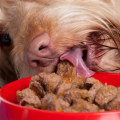
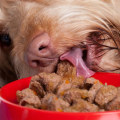
Understanding your dog's nutritional needs is essential for ensuring their health and happiness. Just like humans, dogs have unique dietary requirements that can vary significantly based on several factors, including their age, size, breed, and overall health status. A well-balanced diet not only supports their physical well-being but also contributes to their mental health and longevity. Therefore, selecting the best dog food tailored to your pet's specific needs is a crucial responsibility for any dog owner.When considering your dog's nutritional needs, it's important to recognize that puppies, adult dogs, and senior dogs all have different requirements.
For instance, puppies require a diet rich in protein and calories to support their rapid growth and development. In contrast, adult dogs need a balanced diet that maintains their energy levels while preventing obesity. Senior dogs often benefit from food that is easier to digest and contains joint-supporting nutrients. Additionally, factors such as breed size can influence dietary needs; large breeds may require specific nutrients to support healthy bone growth, while small breeds may need more calorie-dense options.Veterinarians play a vital role in guiding pet owners toward the right nutrition for their dogs.
They can provide personalized recommendations based on your dog's health history and lifestyle. For example, if your dog has specific health issues such as allergies or diabetes, your vet can suggest specialized diets that cater to those conditions. Furthermore, understanding the importance of high-quality ingredients is key; foods that meet the standards set by the Association of American Feed Control Officials (AAFCO) are generally considered safe and nutritionally adequate.In summary, taking the time to understand your dog's unique nutritional needs is fundamental in choosing the best dog food. By consulting with your veterinarian and considering factors like age, size, and health status, you can ensure that your furry friend receives the optimal nutrition they deserve for a long and healthy life.
Key Features of High-Quality Dog Food
When it comes to selecting the best dog food for your furry friend, understanding the key features that define high-quality options is essential.These features not only ensure that your dog receives the necessary nutrients but also contribute to their overall health and well-being.One of the most important benchmarks for evaluating dog food is adherence to the standards set by the Association of American Feed Control Officials (AAFCO). AAFCO establishes guidelines that dog food manufacturers must follow to ensure their products meet minimum nutritional requirements. Look for labels that indicate the food is formulated to meet AAFCO Dog Food Nutrient Profiles. This certification signifies that the food has been tested and contains adequate levels of essential nutrients, including proteins, fats, vitamins, and minerals.In addition to AAFCO standards, the quality of ingredients plays a crucial role in determining the overall value of dog food.
High-quality dog foods typically feature:
- Real Meat as the First Ingredient: Look for dog foods that list a specific type of meat (like chicken, beef, or lamb) as the primary ingredient. This indicates a higher protein content, which is vital for muscle development and energy.
- Whole Grains and Vegetables: Ingredients such as brown rice, sweet potatoes, and peas provide essential carbohydrates and fiber, promoting healthy digestion.
- No Fillers or By-Products: Avoid foods that contain fillers like corn or soy, as well as meat by-products. These ingredients offer little nutritional value and can lead to health issues over time.
- Synthetic Preservatives: Look for natural preservatives like tocopherols (vitamin E) instead of artificial ones such as BHA or BHT.
- Artificial Colors and Flavors: These additives can cause allergic reactions and have no nutritional benefit.
- Antibiotics and Hormones: Foods made from animals raised without antibiotics or synthetic hormones are generally healthier options.
Always consult with your veterinarian for personalized recommendations based on your dog's specific needs.
Types of Dog Food: Dry, Wet, and Raw
When it comes to choosing the best dog food for your furry friend, understanding the different types available is crucial. The three primary categories of dog food are dry, wet, and raw. Each type has its own set of advantages and disadvantages, making it essential for pet owners to consider their dog's specific needs and preferences.Dry Dog Food
Dry dog food, often referred to as kibble, is one of the most popular choices among pet owners. It is convenient, easy to store, and typically more affordable than other types of dog food.Here are some key benefits:
- Dental Health: The crunchy texture of kibble can help reduce plaque and tartar buildup on your dog's teeth, promoting better oral hygiene.
- Portion Control: Dry food allows for easier portion control, which can help maintain a healthy weight for your dog.
- Long Shelf Life: Kibble has a longer shelf life compared to wet food, making it a practical choice for many pet owners.
Wet Dog Food
Wet dog food comes in cans or pouches and is often more appealing to dogs due to its aroma and texture. Here are some advantages of wet dog food:- Hydration: Wet food contains a higher moisture content, which can be beneficial for dogs that struggle to drink enough water.
- Taste Appeal: Many dogs find wet food more flavorful and enjoyable, making it an excellent option for picky eaters.
- Nutrient Density: Wet foods often contain higher levels of protein and fat, which can be advantageous for active or underweight dogs.
Raw Dog Food
The raw dog food diet has gained popularity in recent years among pet owners who prefer a more natural approach to feeding their dogs.This diet typically consists of uncooked meat, bones, fruits, and vegetables. Some benefits include:
- Natural Ingredients: Raw diets often contain fewer preservatives and artificial ingredients compared to commercial dog foods.
- Improved Coat Condition: Many owners report shinier coats and healthier skin in dogs on a raw diet.
- Diverse Nutritional Profile: A well-balanced raw diet can provide a variety of nutrients that support overall health.
Consulting with your veterinarian can help you make an informed decision that supports your dog's health and well-being.
Top Vet-Recommended Dog Food Brands
When it comes to choosing the best dog food, several brands consistently receive high praise from veterinarians for their quality ingredients and nutritional value. Here are some of the top vet-recommended dog food brands that stand out in the crowded pet food market:- Purina Pro Plan : This brand is often at the forefront of veterinary recommendations. Purina Pro Plan offers a variety of formulas tailored to different life stages and dietary needs. For instance, their Savor Adult formula is rich in high-quality proteins and fortified with essential vitamins and minerals, making it an excellent choice for maintaining overall health.
Additionally, the Sport variant is designed for active dogs, providing extra calories and nutrients to support energy levels.
- Hill's Science Diet : Known for its science-backed formulations, Hill's Science Diet is frequently recommended by veterinarians for its focus on specific health needs. Their products cater to various conditions such as weight management, digestive health, and skin sensitivities. The Adult Sensitive Stomach & Skin formula is particularly popular among pet owners looking to address gastrointestinal issues while ensuring their dog receives balanced nutrition.
- Royal Canin : This brand specializes in breed-specific diets, which can be beneficial for dogs with unique nutritional requirements based on their breed size or health concerns. Royal Canin's formulas are developed with veterinary input and are designed to promote optimal health.
For example, their Size Health Nutrition line offers tailored nutrition for small, medium, and large breeds.
- I and Love and You : This brand has gained traction for its commitment to using high-quality, natural ingredients. Their Stewed Beef & Vegetable Recipe Canned Dog Food is particularly noteworthy due to its nutrient-rich bone broth base, making it a great option for older dogs or those needing extra hydration in their diet.
- Gallant : With a focus on organic ingredients, Gallant's Chicken & Vegetable Stew is made from free-range chicken and human-grade components. This brand emphasizes transparency in sourcing and production, which resonates well with health-conscious pet owners.
Special Considerations for Puppies and Senior Dogs
When it comes to selecting the best dog food for your furry friend, understanding the unique nutritional needs of puppies and senior dogs is crucial.Both of these life stages require specific dietary considerations to ensure optimal health and well-being.
Puppy Nutrition
Puppies are in a rapid growth phase, which means their nutritional requirements are significantly different from those of adult dogs. During this critical period, they need a diet that is rich in high-quality proteins, fats, vitamins, and minerals to support their developing bodies. Here are some key factors to consider when choosing food for your puppy:- Protein Content: Look for dog food that lists a high-quality protein source as the first ingredient. Puppies require more protein than adult dogs to support muscle development.
- Fat Levels: Healthy fats are essential for energy and brain development.
Ensure the food contains appropriate levels of fat, typically around 8-20% depending on the puppy's size and breed.
- Calcium and Phosphorus: These minerals are vital for bone growth. The right balance is crucial to prevent skeletal issues, especially in large breed puppies.
- Age-Specific Formulas: Choose foods specifically formulated for puppies, as they contain the right balance of nutrients tailored to their growth needs.
Senior Dog Food Needs
As dogs age, their metabolism slows down, and their nutritional needs change. Senior dogs often require a diet that supports joint health, maintains a healthy weight, and provides adequate nutrition without excess calories. Here are some considerations for feeding senior dogs:- Lower Calories: Senior dog food should have fewer calories to help prevent obesity, which can lead to various health issues.
- Joint Support: Look for foods that contain glucosamine and chondroitin to support joint health and mobility.
- Easily Digestible Ingredients: Older dogs may have sensitive stomachs; therefore, opt for foods with easily digestible proteins and fibers.
- Antioxidants: Foods rich in antioxidants can help combat oxidative stress and support overall health in aging dogs.
Always consult with your veterinarian to determine the best dietary plan that meets your dog's unique needs.
Common Ingredients to Avoid in Dog Food
When selecting the best dog food for your furry friend, it’s essential to be aware of the ingredients that could potentially harm their health. Many commercial dog foods contain additives and fillers that may not only lack nutritional value but can also pose serious health risks. Here are some common ingredients to avoid:- Artificial Preservatives: Ingredients like BHA, BHT, and ethoxyquin are often used to prolong shelf life but have been linked to various health issues, including cancer. Opt for dog foods that use natural preservatives such as tocopherols (vitamin E) instead.
- Meat By-Products: These are often low-quality protein sources derived from parts of animals that are not fit for human consumption.
They can include beaks, feathers, and other non-meat components. Look for whole meats or named meat meals (like chicken meal) as primary ingredients.
- Fillers: Ingredients such as corn, wheat, and soy are often used as cheap fillers in dog food. They provide little nutritional value and can lead to allergies or digestive issues in some dogs. Instead, seek out whole grains or alternative carbohydrate sources like sweet potatoes or brown rice.
- Excessive Sugars and Sweeteners: Some dog foods contain added sugars or sweeteners like corn syrup, which can lead to obesity and dental problems.
Always check the ingredient list for any unnecessary sweeteners.
- Artificial Colors and Flavors: These additives are used to make the food more appealing but serve no nutritional purpose. They can also trigger allergic reactions in sensitive dogs. Choose foods that rely on natural ingredients for color and flavor.
By being informed about harmful components, you can make better choices that contribute to a longer, healthier life for your canine companion.
How to Transition Your Dog to a New Food
Transitioning your dog to a new food is a crucial process that requires careful planning and execution. A sudden change in diet can lead to digestive upset, including diarrhea, vomiting, or loss of appetite. To ensure a smooth transition, follow these guidelines:- Gradual Introduction: Start by mixing a small amount of the new food with your dog's current food. A common recommendation is to begin with 25% new food and 75% old food.
- Increase Slowly: Over the course of 7 to 10 days, gradually increase the proportion of the new food while decreasing the old food.
For example, on days 3 to 4, you might feed 50% new food and 50% old food.
- Monitor Your Dog: Keep an eye on your dog's reaction during the transition. Look for any signs of digestive distress such as gas, bloating, or changes in stool consistency. If any issues arise, slow down the transition process.
- Stay Consistent: Try to feed your dog at the same times each day and avoid giving treats that could interfere with their diet change.
- Consult Your Veterinarian: If you have concerns about your dog's health or dietary needs, consult your veterinarian for personalized advice.
- Choose High-Quality Food: Ensure that the new dog food is of high quality and meets AAFCO standards. This will help provide balanced nutrition and may ease the transition.
- Add Water or Broth: Mixing a little warm water or low-sodium broth into the new food can enhance its aroma and flavor, making it more appealing to your dog.
- Be Patient: Some dogs may take longer to adjust than others.
If your dog is hesitant to eat the new food, give them time and avoid forcing them.
Frequently Asked Questions About Dog Food
When it comes to choosing the best dog food, pet owners often have numerous questions. Understanding your dog's nutritional needs is crucial for their overall health and well-being.Here are some frequently asked questions that can help guide you in making informed decisions about your dog's diet.
What should I look for in dog food?
When selecting dog food, it’s essential to look for products that meet the nutritional standards set by the Association of American Feed Control Officials (AAFCO). This ensures that the food provides a balanced diet suitable for your dog's life stage. Additionally, consider the following:- High-quality protein sources: Look for named meat sources, such as chicken or beef, as the first ingredient.
- Whole grains or vegetables: Ingredients like brown rice or sweet potatoes provide necessary carbohydrates and fiber.
- Essential fatty acids: Omega-3 and Omega-6 fatty acids support skin and coat health.
- No fillers or artificial additives: Avoid foods with excessive fillers like corn or soy, as well as artificial colors and preservatives.
How do I know if my dog is allergic to their food?
Food allergies in dogs can manifest through various symptoms, including:- Itchy skin or rashes
- Digestive issues such as vomiting or diarrhea
- Ear infections
Is grain-free dog food better?
The debate over grain-free diets continues among pet owners and veterinarians.While some dogs may benefit from a grain-free diet due to allergies or sensitivities, most dogs can digest grains without issues. It's important to consult with your vet before making significant changes to your dog's diet.
How often should I feed my dog?
The feeding frequency depends on your dog's age, size, and activity level. Generally:- Puppies: 3-4 meals per day
- Adult dogs: 1-2 meals per day
- Senior dogs: 1-2 meals per day, depending on their health status
Conclusion: Choosing the Best Dog Food for Your Pet
In conclusion, selecting the best dog food for your furry friend is a crucial decision that can significantly impact their overall health and well-being.As we have discussed, the nutritional needs of dogs can vary widely based on factors such as age, size, breed, and health conditions. Therefore, it is essential to take a personalized approach when choosing a diet for your pet.One of the first steps in this process is to consult with your veterinarian. They can provide tailored recommendations based on your dog's specific requirements. This professional guidance is invaluable, especially when considering the various options available in the market today.When evaluating dog food brands, look for those that meet the standards set by the Association of American Feed Control Officials (AAFCO).
This certification ensures that the food contains adequate nutrients and is safe for consumption. Additionally, consider the ingredient list; high-quality proteins should be among the first ingredients listed, and avoid foods with excessive fillers or artificial additives.Moreover, understanding your dog's life stage is vital. Puppies require a diet rich in protein and calories to support their rapid growth, while adult dogs benefit from balanced nutrition that maintains their health without leading to obesity. Senior dogs may need specialized diets that cater to their changing metabolism and joint health.As highlighted earlier, some brands like Purina Pro Plan and I and Love and You have received positive endorsements from veterinarians for their quality ingredients and nutritional profiles.
However, it’s important to remember that what works for one dog may not work for another. Always monitor your pet's response to a new food and be prepared to make adjustments as necessary.Ultimately, the best dog food is one that not only meets nutritional standards but also aligns with your dog's preferences and health needs. By prioritizing quality ingredients and consulting with veterinary professionals, you can ensure that your beloved pet receives the best possible nutrition throughout their life.